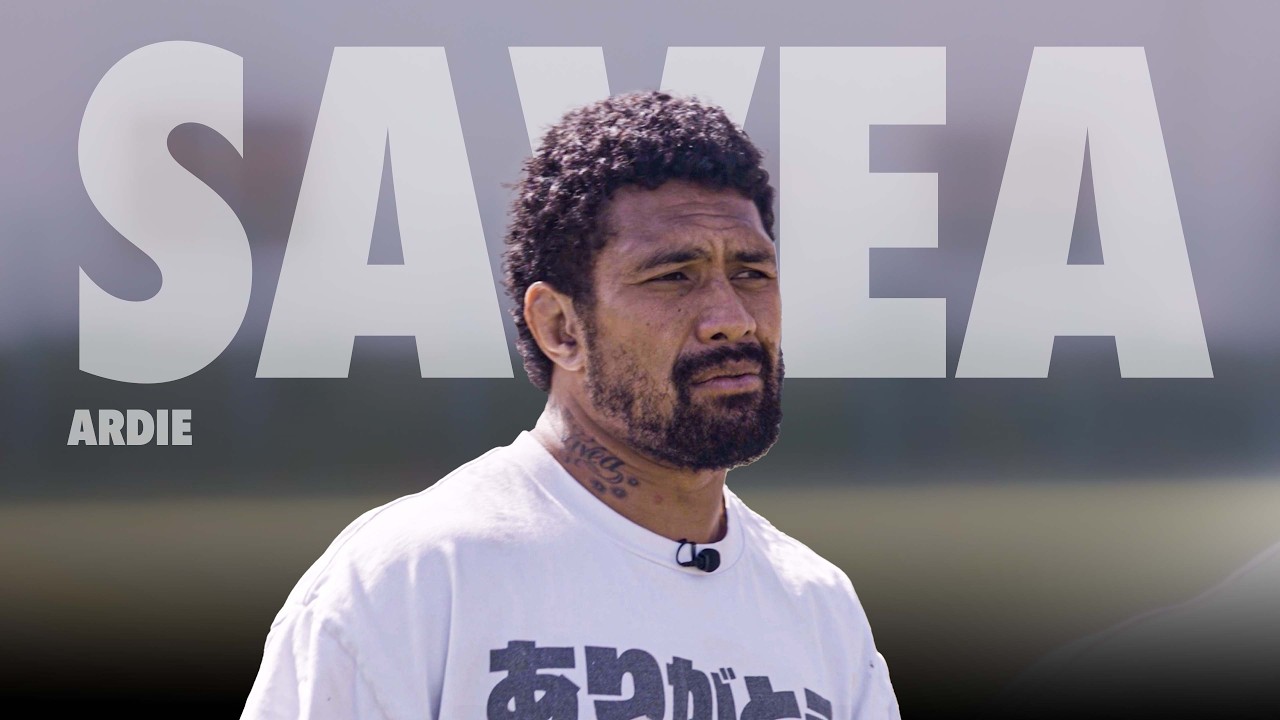
Ardie Savea has offered a remarkably honest account of what was actually happening inside the All Blacks dressing room through the 2023 Rugby World Cup — including the unfiltered fear before the tournament opener and the simmering rage that drove their assault on Ireland in the quarter-final.
Speaking to RugbyPass from Japan, the All Blacks loose forward dropped the usual tournament platitudes when asked about the opening night defeat to France in Paris.
"What was it like that opening game? In my pants. For me when I'm connected to something like deep rootedly, like I die for whatever — the players, the boys, the team," Savea said. "When I go around the corner, I'm about to catch the ball, I'm scared. Just scared of like the guys in front of me."
That admission — that even one of the world's most destructive ball-carriers was scared — is unusual. So is what it became. By the time the All Blacks reached the quarter-final against the world's then top-ranked side, fear had given way to something colder.
"We were like — we were written off, like you know Ireland number one," Savea said. "I remember the pain that it caused losing the Irish series in Wellington. When the final whistle blew, it was just like we put a full stop into what happened the previous year."
Savea was also drawn into the long-running argument over New Zealand's eligibility rules — which still bar overseas-based players from selection — and made clear he would like to see the door cracked open, in the way South Africa have done with their own diaspora.
"I think my thing is if you're Kiwi and you're playing across the world, you should be allowed to," Savea said. "But I know these rules are set in place for a reason. But I think being able to slowly evolve and change for players to play somewhere else and still be available — I think that should be looked at, or it should evolve."
Asked about the modern France team that had bookended the All Blacks' tournament, Savea offered the kind of compact analysis only an opponent can.
"France was always known as like the big guy smash and bash direct," he said. "But now they just added some swagger to their game. So they've got both components. That's why they're so dangerous."
Now playing his rugby in Japan, Savea was at pains to push back on the perception that the league he is in is in any way an easy ride.
"People would be surprised how tough this competition is. Like, it's surprised me," he said. "But coming here and — couldn't ask for anything better coming here, like the facilities, the coaches. Got a few great players here and then the competition you're playing against — like guys that are from South Africa, Australia, all over the world."

Savea also reflected on the cultural difference between fronting Super Rugby crowds and Japanese ones, and the toll the New Zealand spotlight takes.
"When we're playing super rugby, there's so much demand there, you know," he said. "I was obviously captain of the Canes, like you lose a game or two and getting ripped apart, you know, and people say oh don't read it, but as athletes you actually kind of you just scroll past it and you read it and it's hard to avoid it. Here, mate, we lose three games in a row, these fans standing out the front, they love you, just support you regardless."
It is the sort of testimony that, taken alongside Brodie Retallick's similar comments from Kobe and the procession of Springboks now playing in Japan, will only sharpen the conversation about whether World Rugby's eligibility regimes are still fit for purpose. For Savea, the case is plain: the rugby is good, the lifestyle is good, and the door home should be left open.