Stadiums
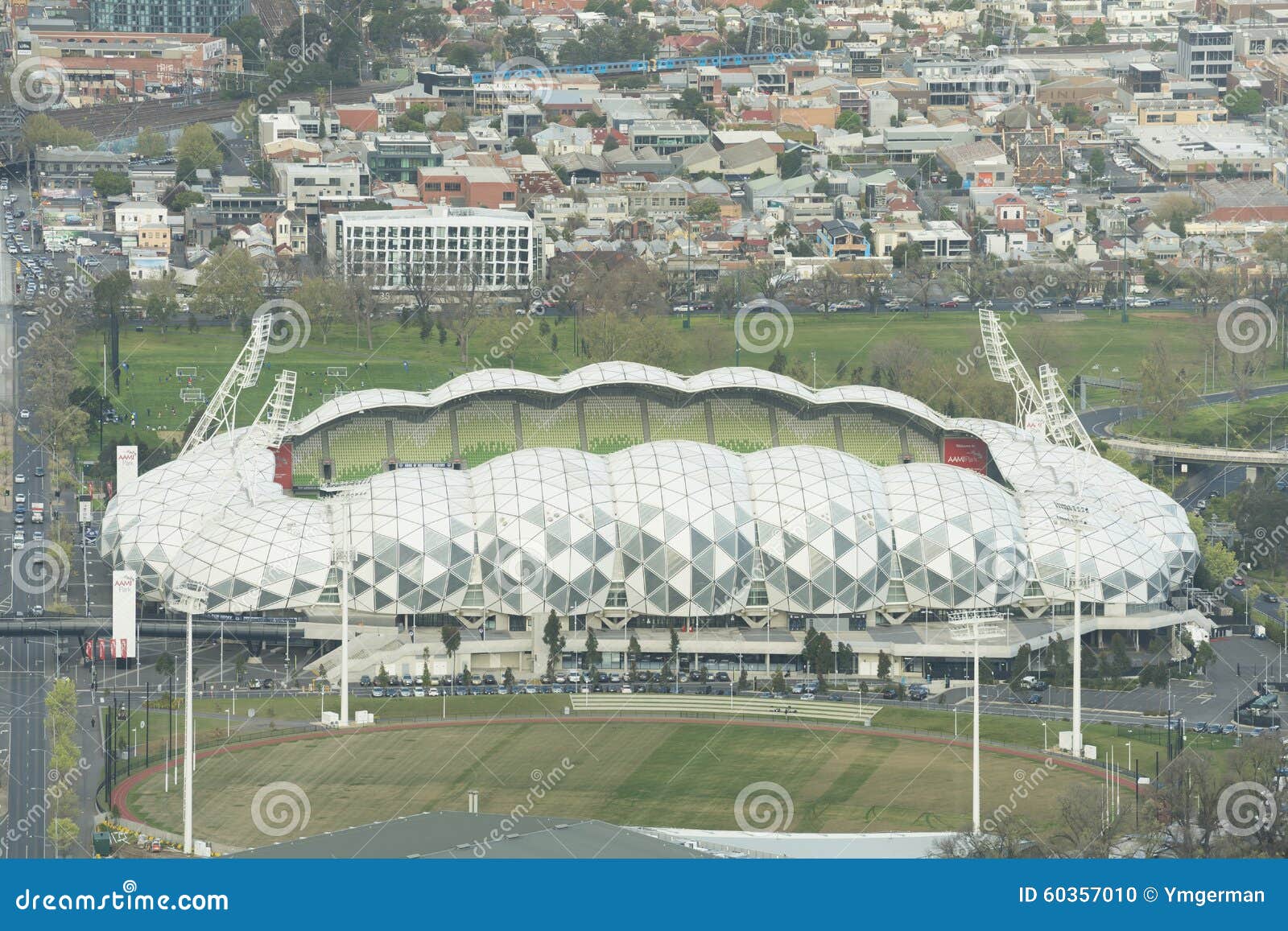
AAMI Park
AAMI Park is a rectangular multi-purpose stadium in Melbourne, known for its distinctive bioframe roof design. While primarily a football (soccer) and rugby league venue, it hosts Super Rugby matches for the Melbourne Rebels (now defunct) and occasional Wallabies test matches. The stadium's modern design and central location in Melbourne's sporting precinct make it an excellent rugby venue.
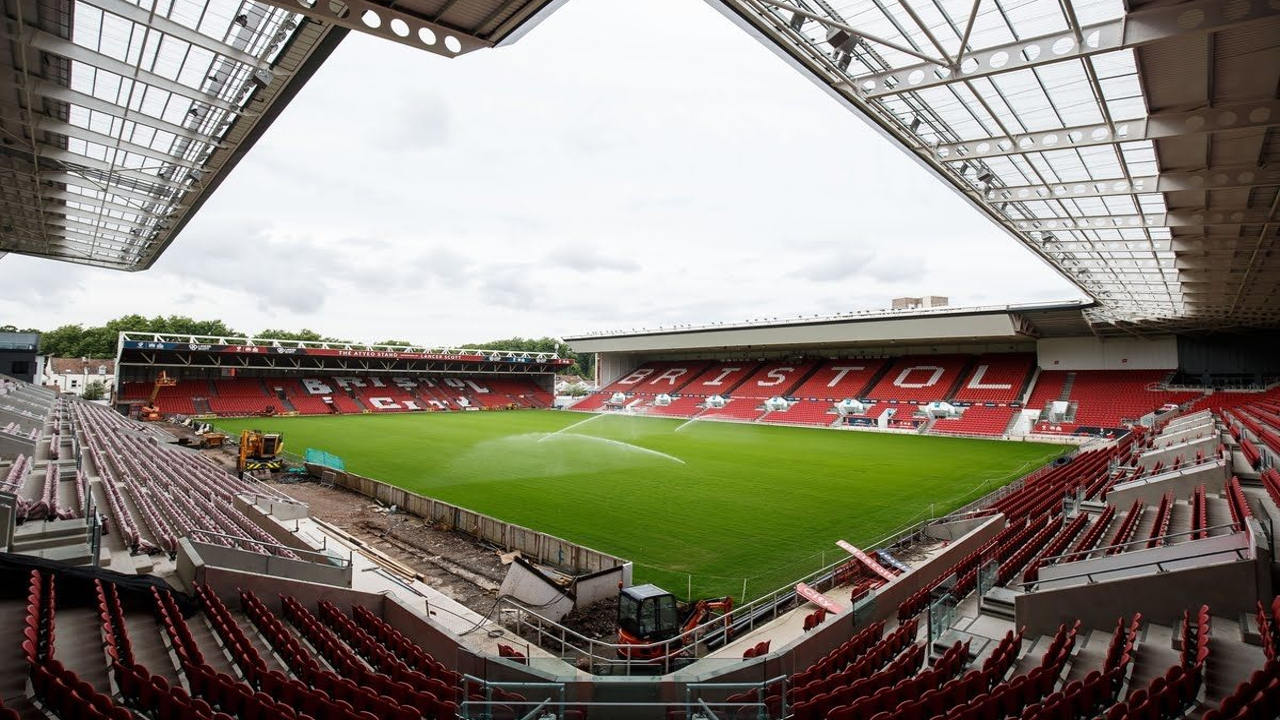
Ashton Gate
Ashton Gate is a multi-use stadium in Ashton Gate, Bristol, England, and is the home of Bristol City F.C. and the Bristol Bears rugby union team. Located in the south-west of the city, just south of the River Avon, it currently has an all-seated capacity of 26,462 (usually advertised as 27,000).
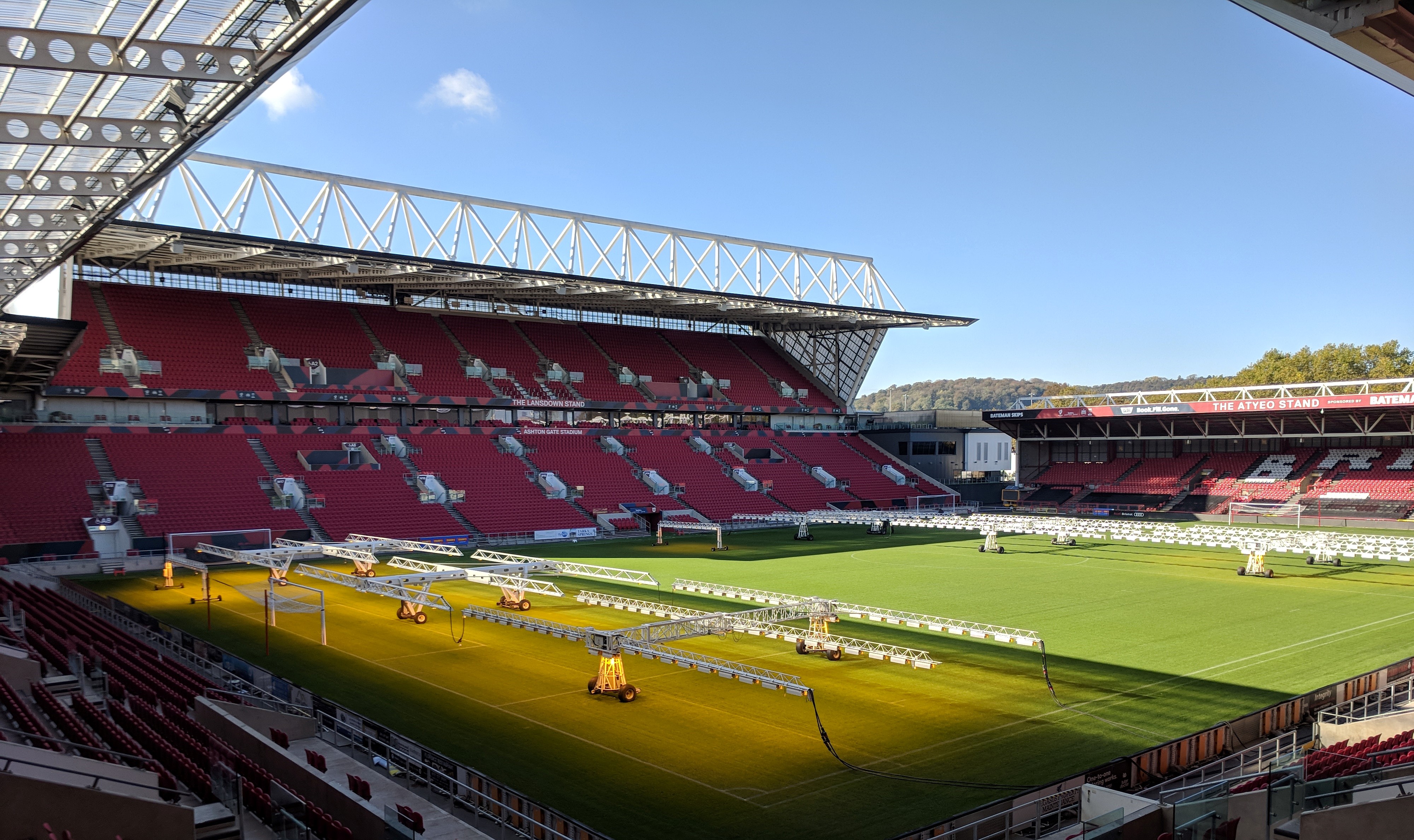
Ashton Gate Stadium
Ashton Gate Stadium is the home of Bristol Bears (formerly Bristol Rugby) and Bristol City FC, located in the Ashton Gate area of Bristol. The stadium underwent a major £45 million redevelopment completed in 2016, transforming it into a modern all-seater venue. Bristol Bears moved here from their former Memorial Ground, and the larger capacity has helped grow the club's fanbase significantly. Under owner Steve Lansdown, the Bears have become one of the most ambitious clubs in English rugby.
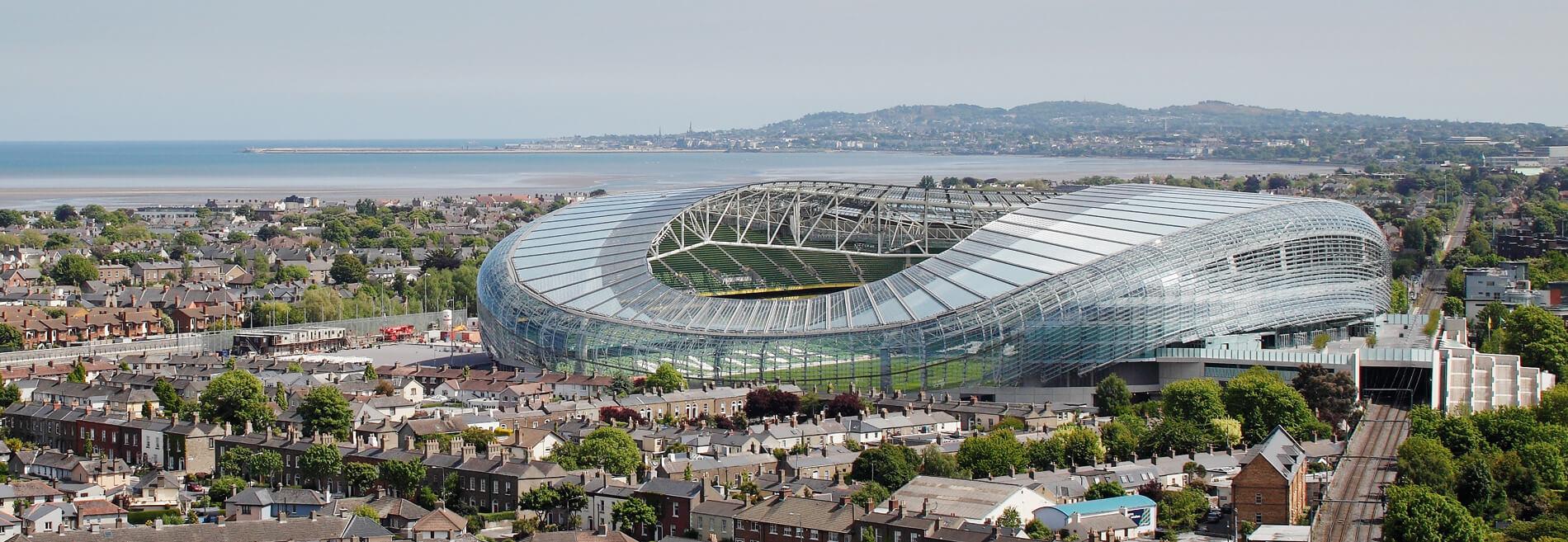
Aviva Stadium
The Aviva Stadium is a multi-purpose stadium in the Lansdowne Road area of Dublin, Ireland. Built on the site of the former Lansdowne Road ground, it is jointly owned by the Irish Rugby Football Union and Football Association of Ireland. The striking modern design features a transparent polycarbonate and steel roof that covers all 51,700 seats. The stadium is renowned for creating an intense, intimidating atmosphere for visiting teams during Six Nations and autumn internationals.
Barnet Copthall
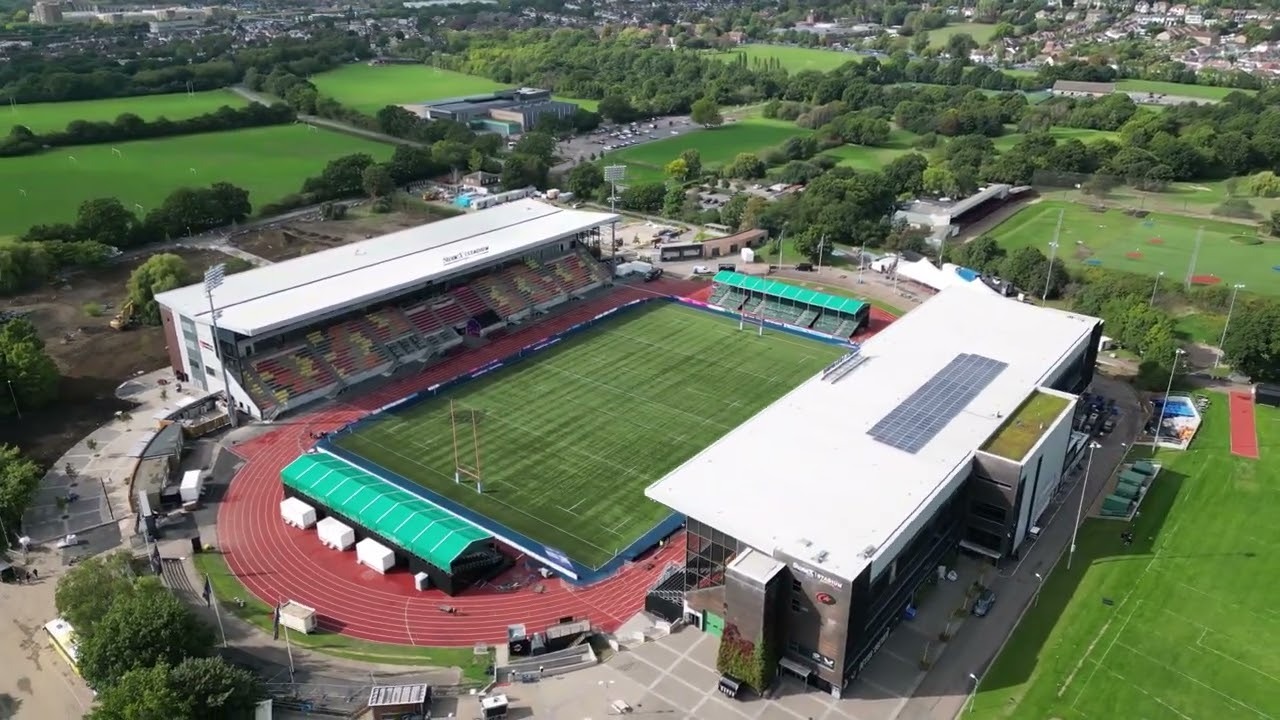
Barnet Copthall is a publicly owned sports venue on the Hendon-Mill Hill borders in London, which houses several complexes, including a local authority-owned swimming pool and gymnasium facilities, a golf-driving range with 9 hole pitch and putt run by Metro Golf. The venue is primarily notable for its 10,500-seat main stadium which is home to rugby union Premiership side Saracens. While Saracens are the primary tenant, the stadium is a multi-use venue and has also previously been the home field of the London Broncos rugby league team as well as hosting American football events such as the British national championship game, BritBowl. The stadium can be expanded to 15,000 seats if required for certain major events, such as the final stages of the European Rugby Champions Cup. The stadium is currently known as StoneX Stadium for sponsorship reasons, having taken the name in 2021. It was known as Allianz Park between 2012 and 2020.
BT Murrayfield
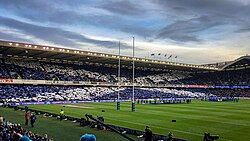
The DAM Health Stadium (formerly BT Murrayfield) is Edinburgh Rugby's home ground, a purpose-built rugby venue adjacent to the main Murrayfield Stadium. The intimate 7,800-capacity ground provides excellent sightlines and a close-to-the-action experience for supporters. Edinburgh Rugby compete in the United Rugby Championship and the stadium has helped build the club's identity separate from the national team next door.
Cape Town Stadium
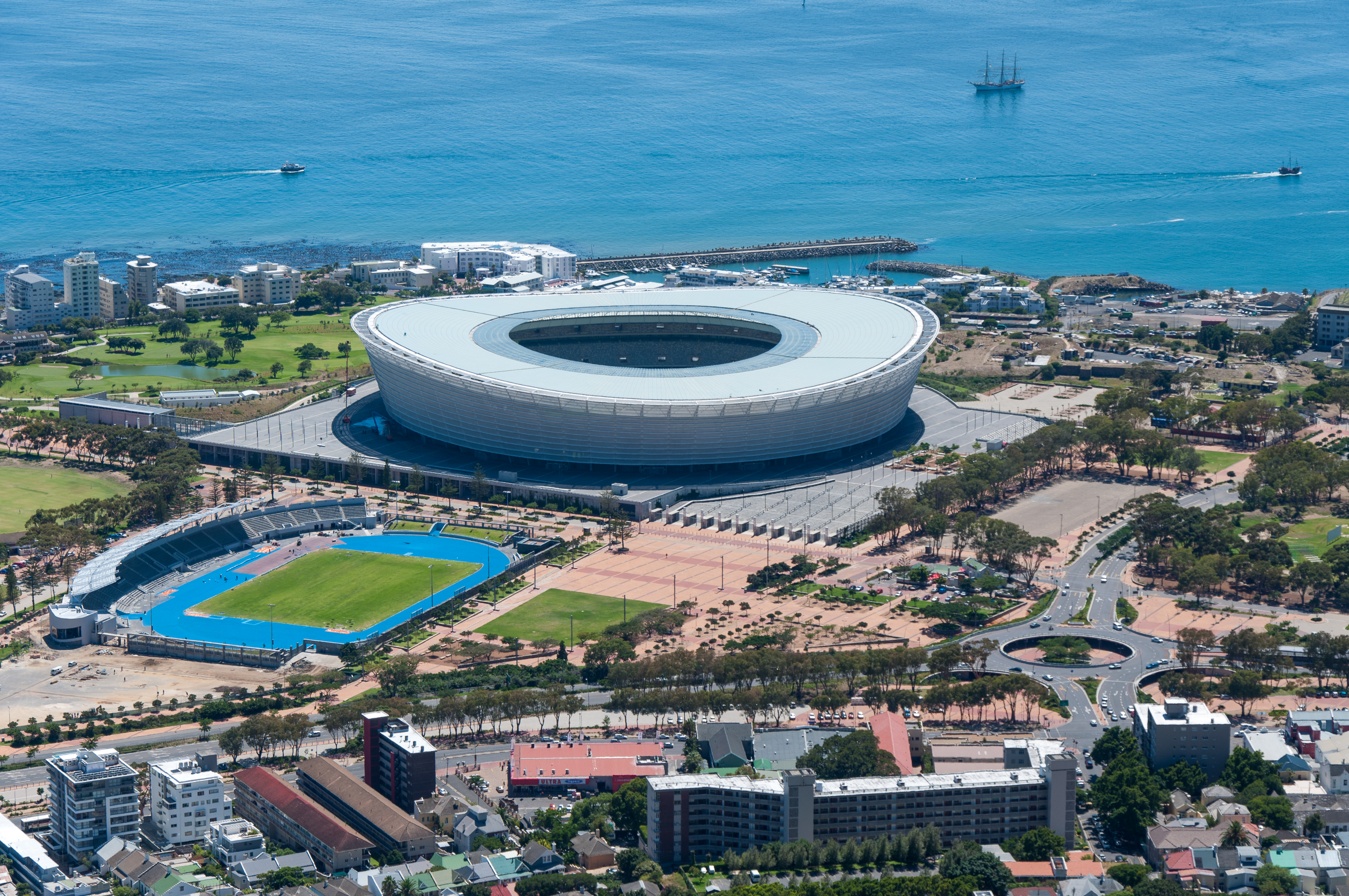
Cape Town Stadium hosts the annual HSBC Cape Town Sevens, one of the most popular events on the World Rugby Sevens Series calendar. The two-day festival of rugby sevens draws sell-out crowds and has become one of the highlights of the sevens circuit. The stadium's location and the carnival atmosphere created by South African fans make it a bucket-list event for rugby supporters worldwide.
DHL Stadium
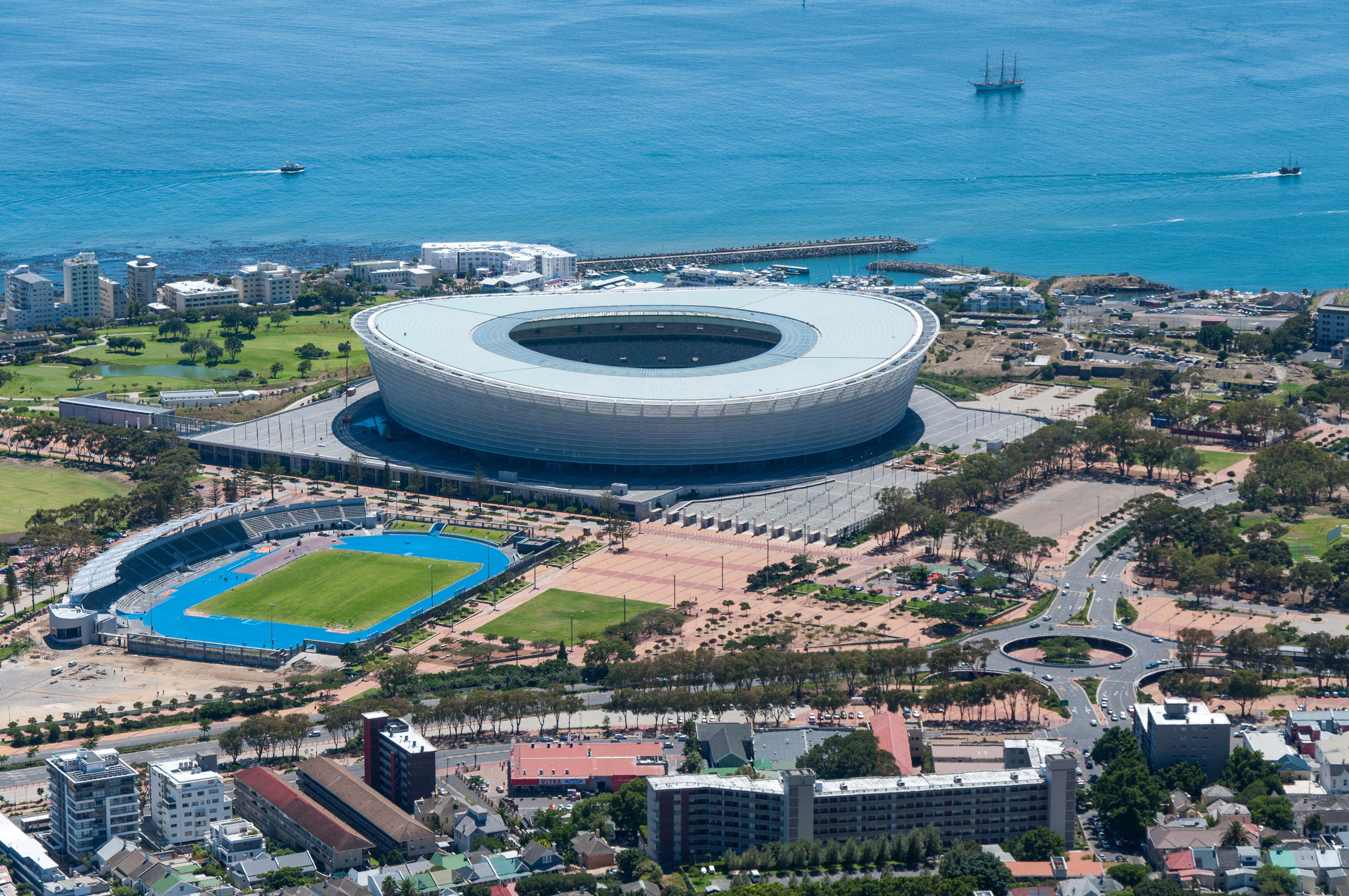
DHL Stadium (formerly Cape Town Stadium and Green Point Stadium) was built for the 2010 FIFA World Cup and is located in the Green Point area of Cape Town with stunning views of Table Mountain. It serves as a home ground for the Stormers in the United Rugby Championship and hosts Springbok test matches. The modern stadium's iconic design and location between the V&A Waterfront and Table Mountain make it one of the most visually striking sporting venues in the world.
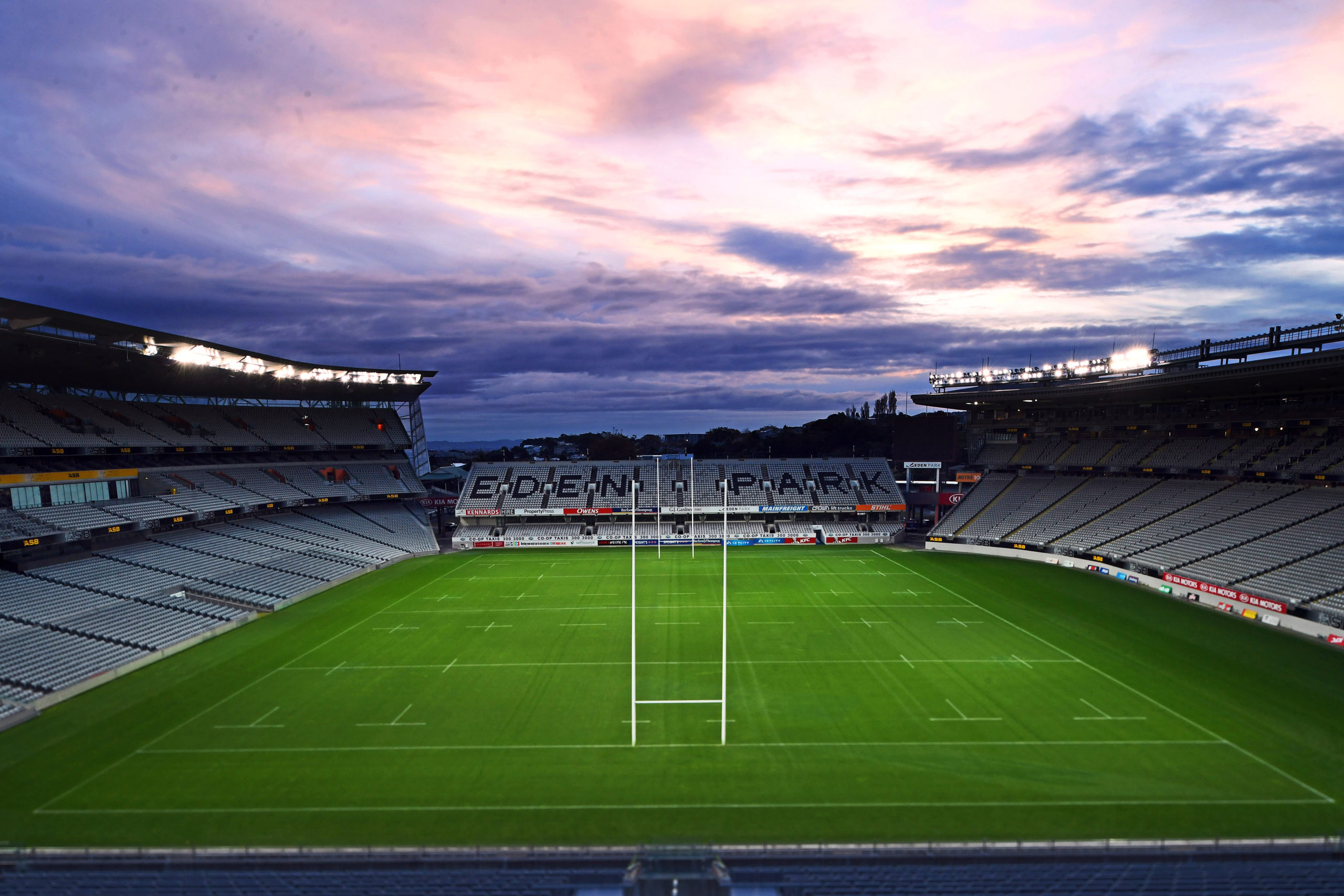
Eden Park
Eden Park is New Zealand's largest stadium and the traditional home of the All Blacks in Auckland. The ground has an extraordinary record — the All Blacks have not lost at Eden Park since 1994, making it one of the most formidable fortresses in world rugby. The stadium hosted the finals of both the 1987 and 2011 Rugby World Cups. Located in the suburb of Mount Eden, it also serves as a major cricket venue and has a rich history dating back over a century.
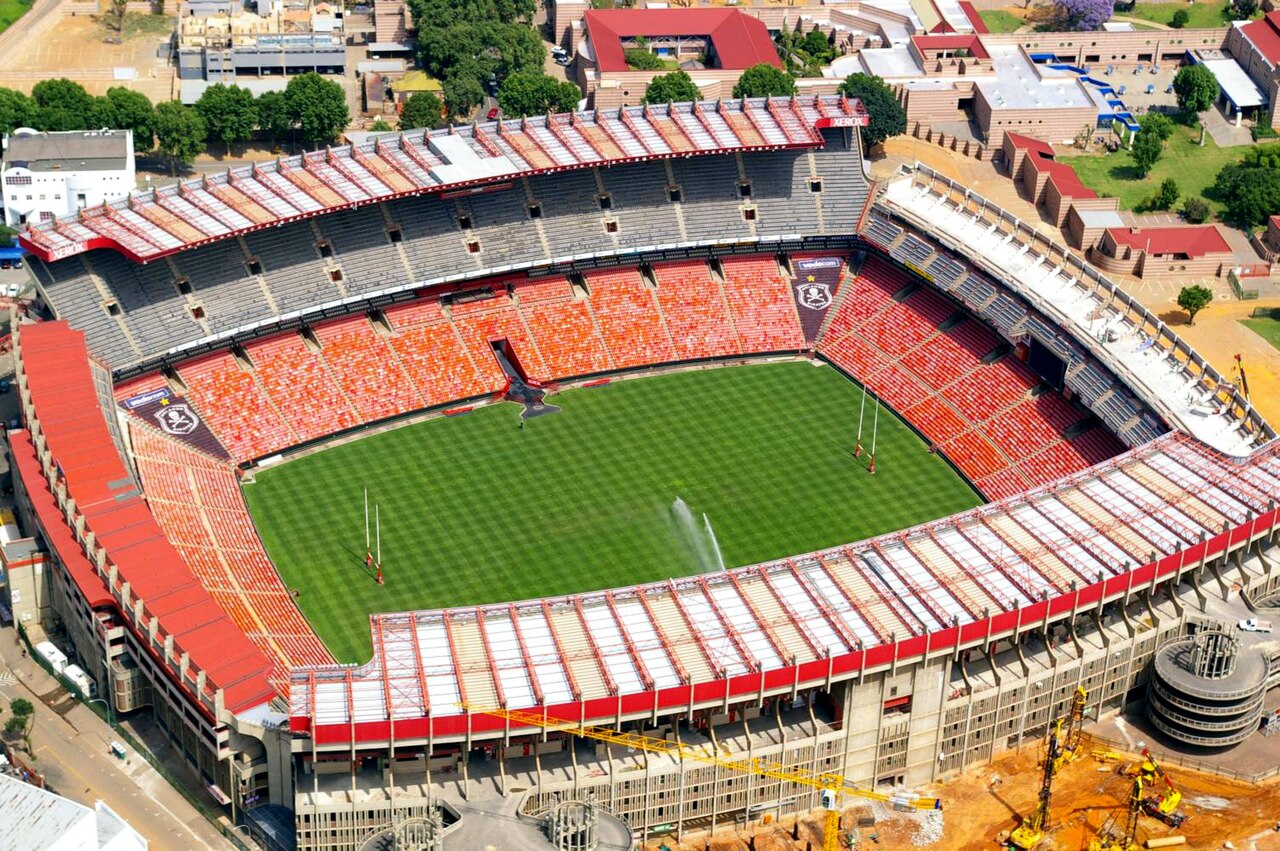
Ellis Park
Ellis Park, officially the Emirates Airline Park, is one of South Africa's most iconic rugby grounds, situated in the Doornfontein area of Johannesburg. At an altitude of 1,753 metres above sea level, the thin air creates unique playing conditions that can exhaust visiting teams. The stadium is forever associated with the 1995 Rugby World Cup final, immortalised in the film "Invictus," where Nelson Mandela presented the Webb Ellis Cup to Springbok captain Francois Pienaar.
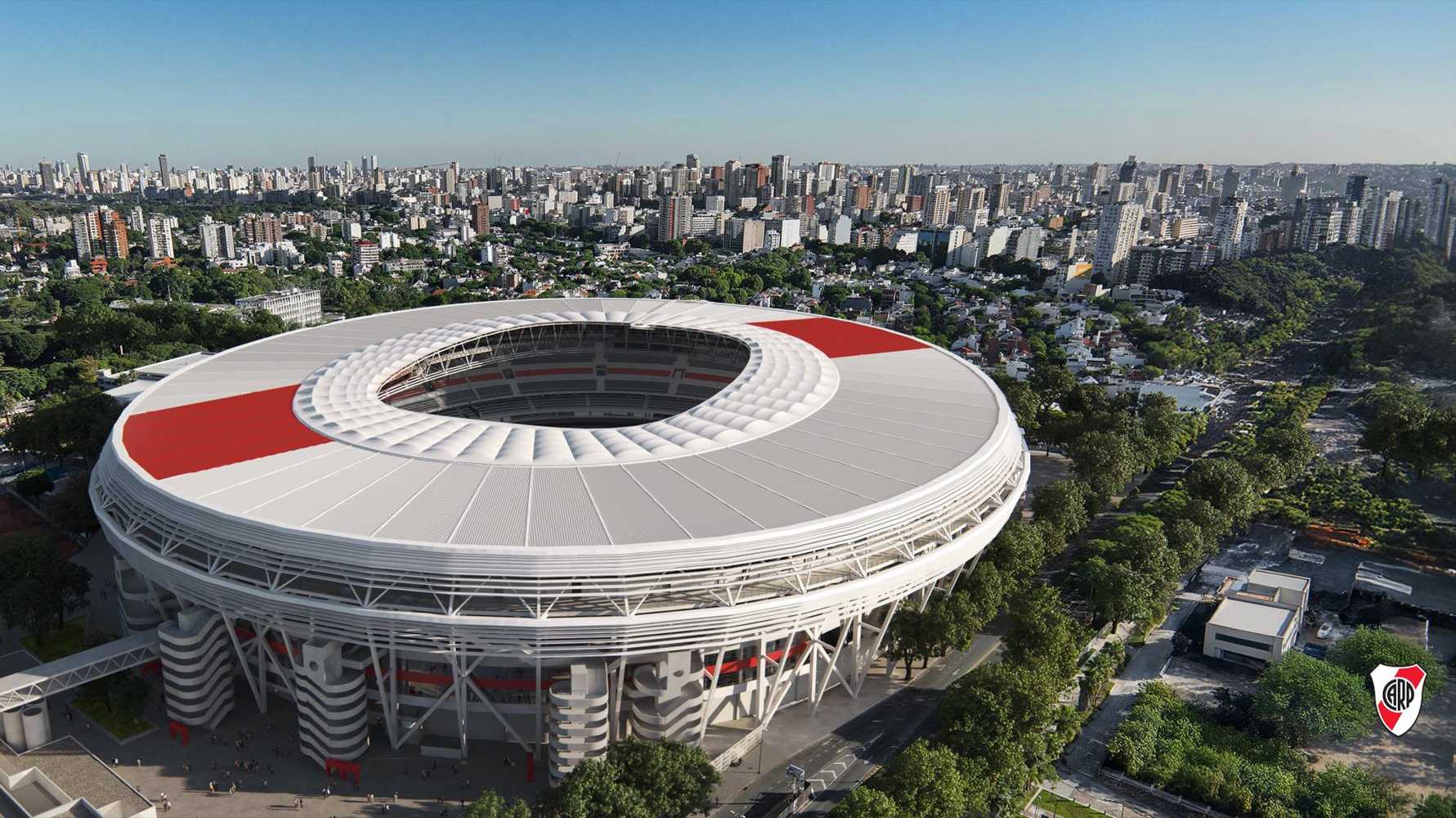
Estadio Monumental José Fierro
The Estadio Monumental José Fierro in Tucumán has become one of Argentina's most important rugby venues, frequently hosting Los Pumas' Rugby Championship matches. The passionate crowds in Tucumán create one of the most hostile atmospheres in world rugby, with fans known for their vocal support. The northern Argentine city has a deep rugby culture, and the stadium provides a significant home advantage for the Pumas.
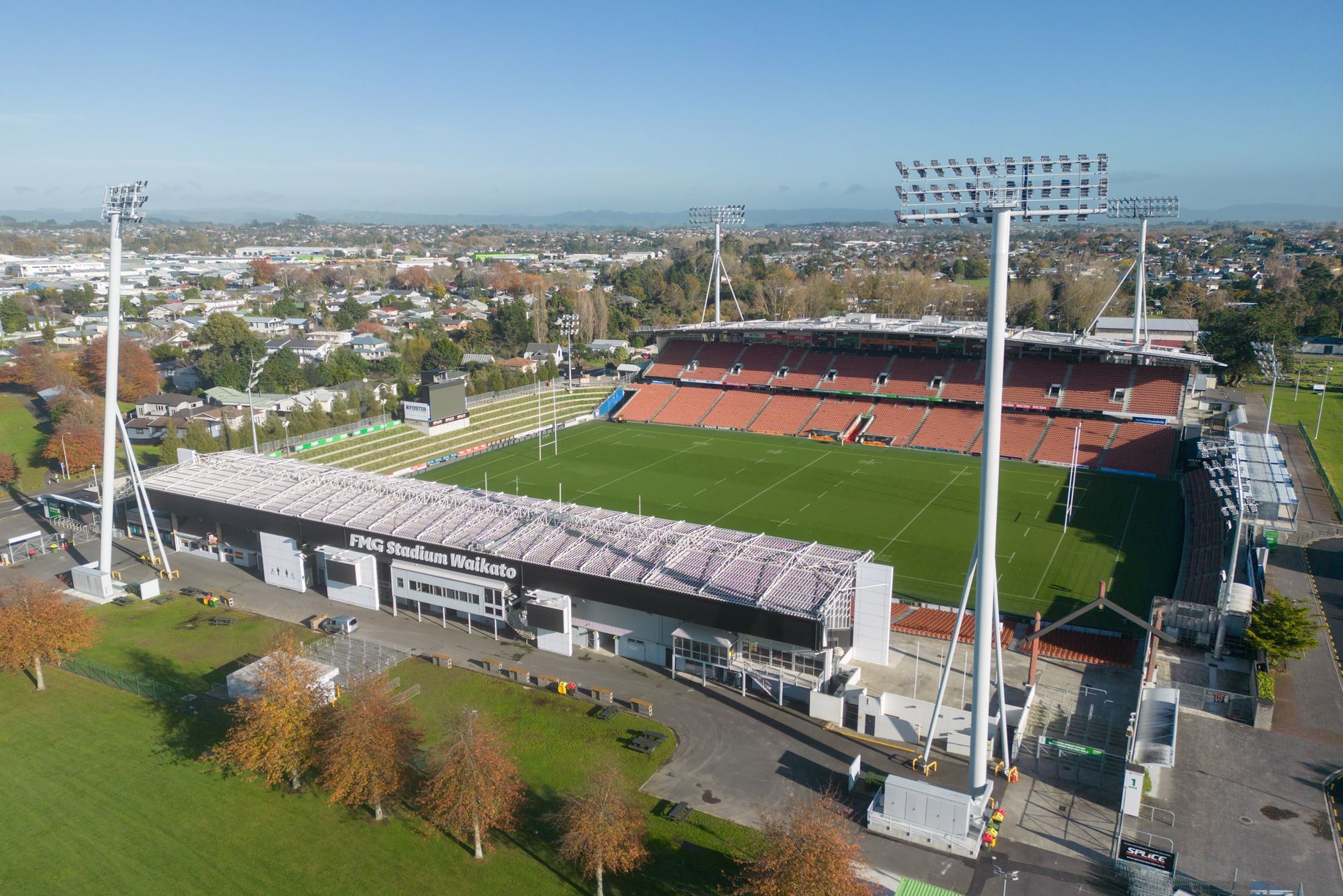
FMG Stadium Waikato
FMG Stadium Waikato is the home of the Chiefs in Super Rugby, located in Hamilton in New Zealand's Waikato region. The stadium has been the base for the Chiefs' successful campaigns including their back-to-back Super Rugby titles in 2012 and 2013. It also hosts All Blacks test matches and is known for its strong community connection to Waikato rugby.
Forsyth Barr Stadium
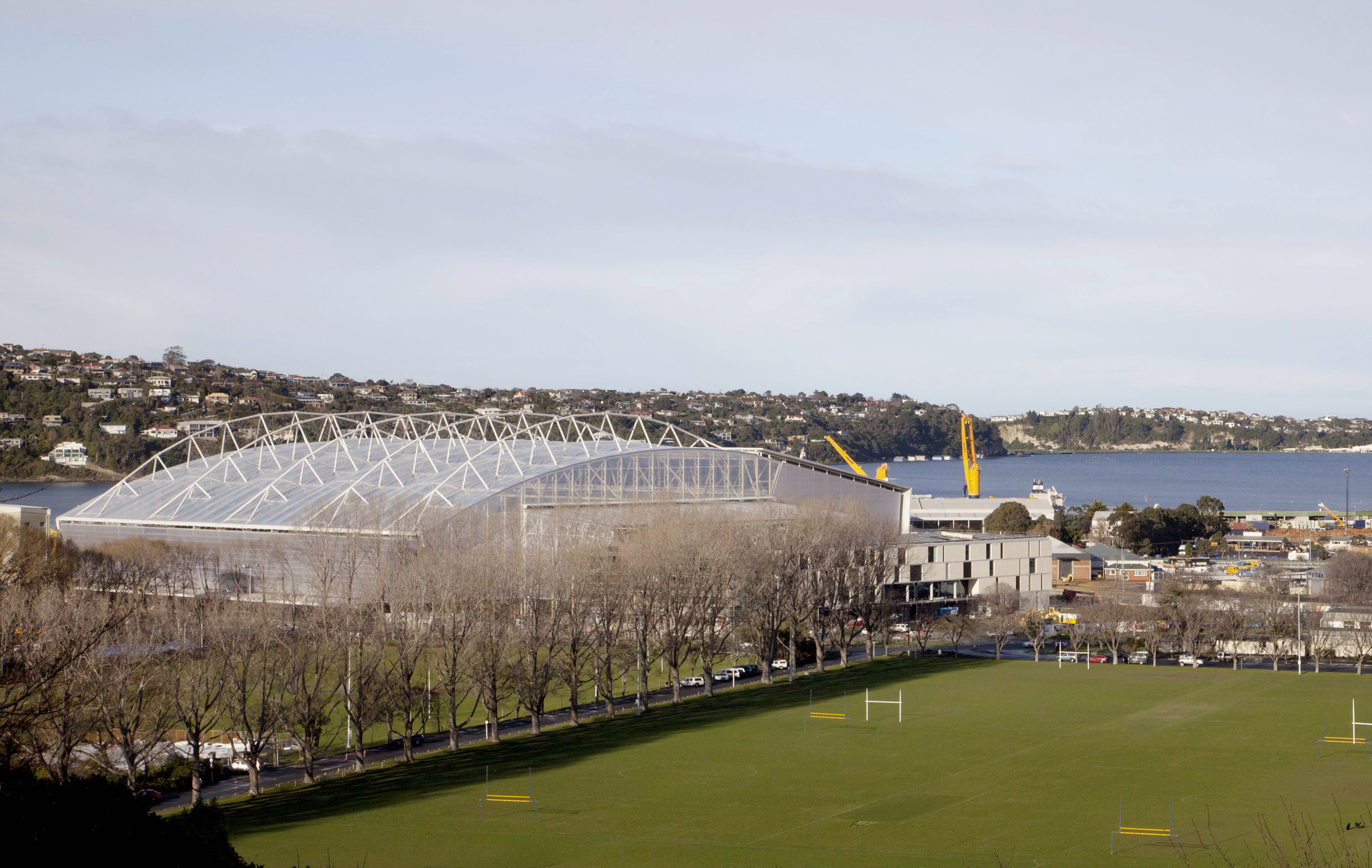
Forsyth Barr Stadium is a covered multi-purpose stadium in Dunedin, New Zealand, and the only fully covered stadium in the country. It is the home of the Highlanders in Super Rugby and features a natural grass pitch under a permanent ETFE roof. Known locally as "The Glasshouse," the stadium was built for the 2011 Rugby World Cup and provides a unique all-weather playing environment. The covered design creates an intense atmosphere that amplifies crowd noise.
Franklin's Gardens
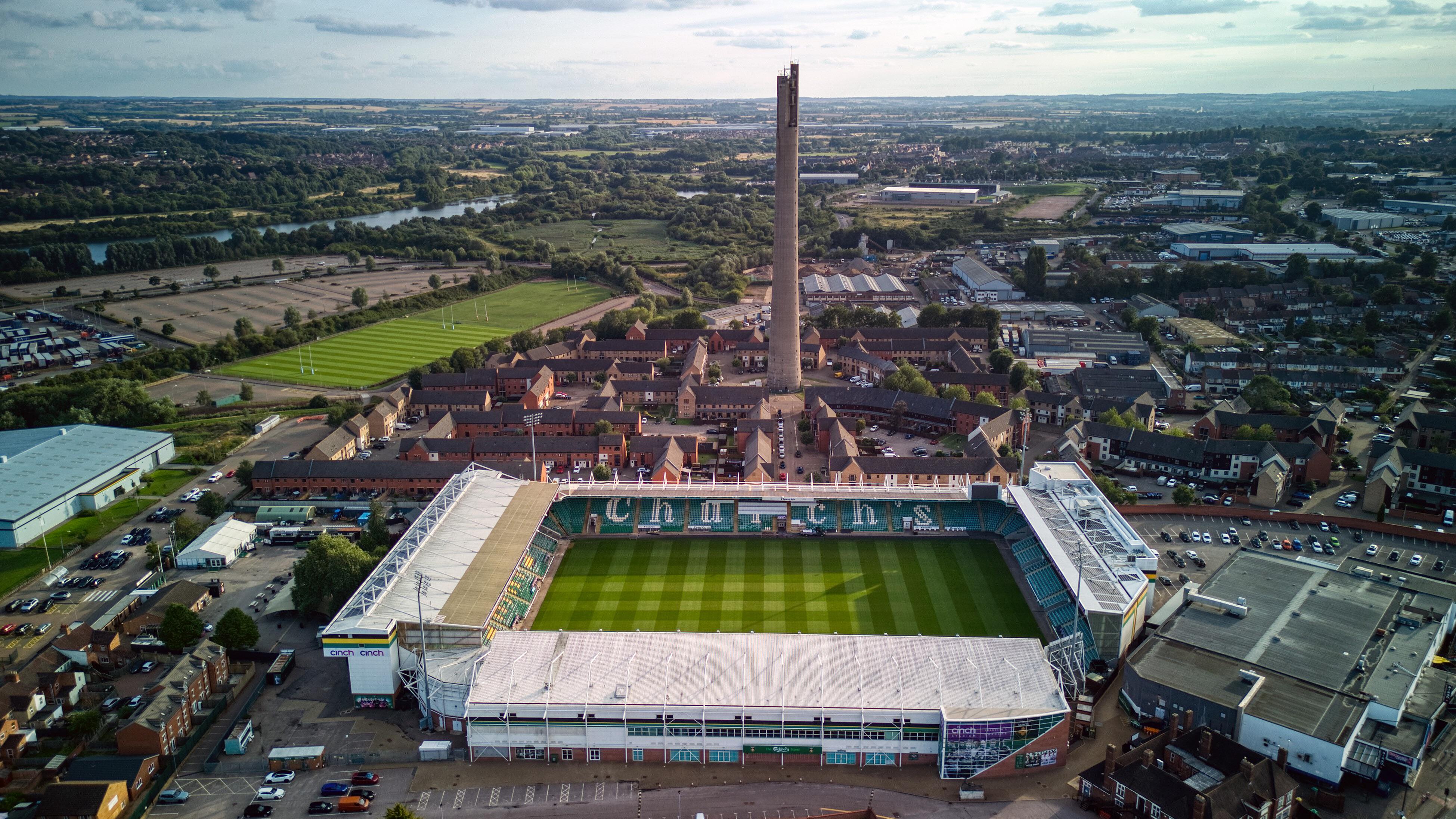
Franklin's Gardens was originally built in the 1880s and has been the home of Northampton Saints since 1895. The stadium, which underwent a major redevelopment in 2002, has a capacity of 15,249 and is also a former home venue for England Saxons. It has hosted European finals and holds a record attendance of over 16,000 set in 2005.
GIO Stadium
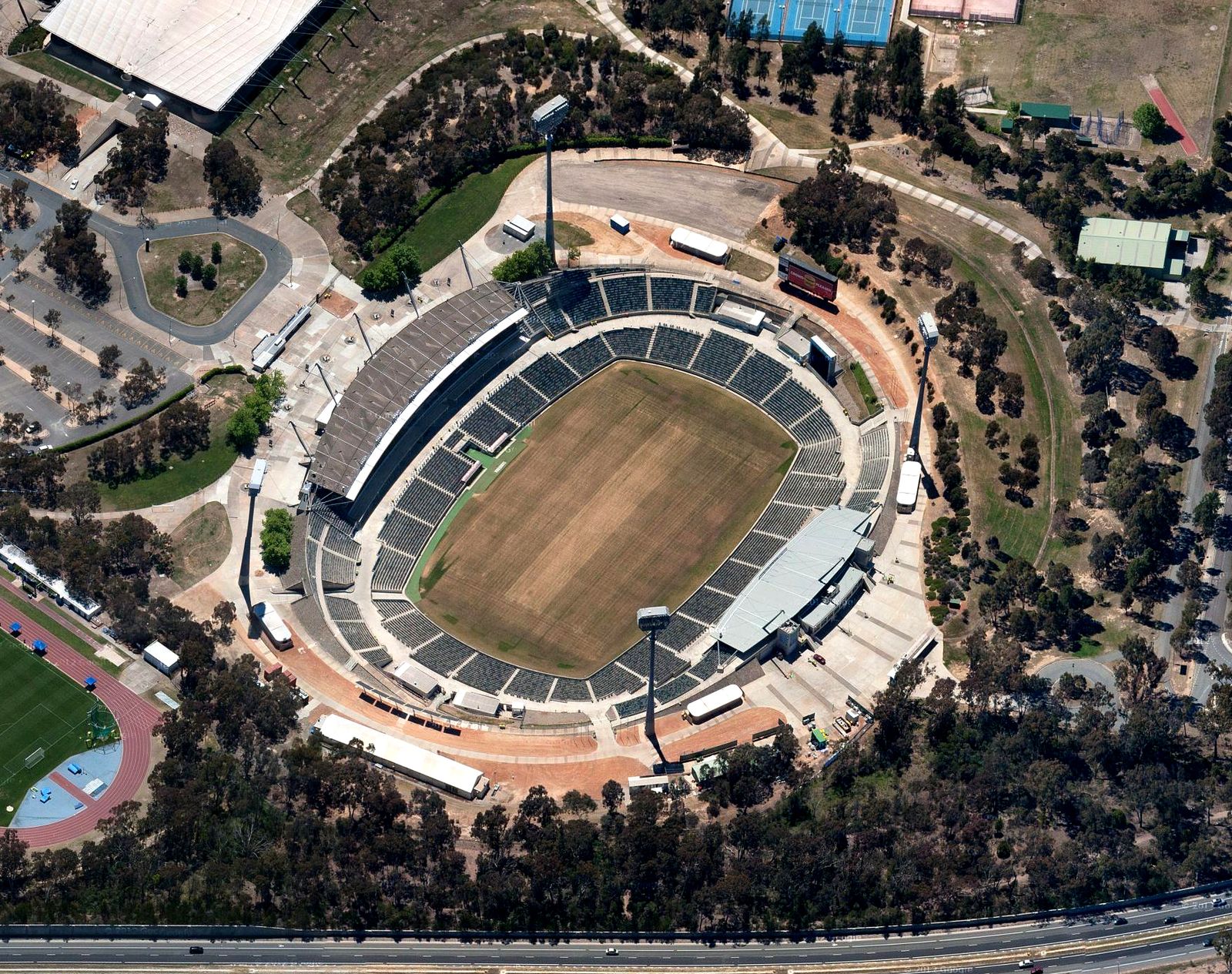
GIO Stadium (formerly Canberra Stadium and Bruce Stadium) is the home of the Brumbies in Super Rugby, located in the Canberra suburb of Bruce. The stadium has been witness to the Brumbies' remarkable rise as one of the most successful franchises in Super Rugby history, including two titles. The cold Canberra winter nights create challenging conditions and the passionate local supporter base ensures strong home support.
Kingsholm Stadium
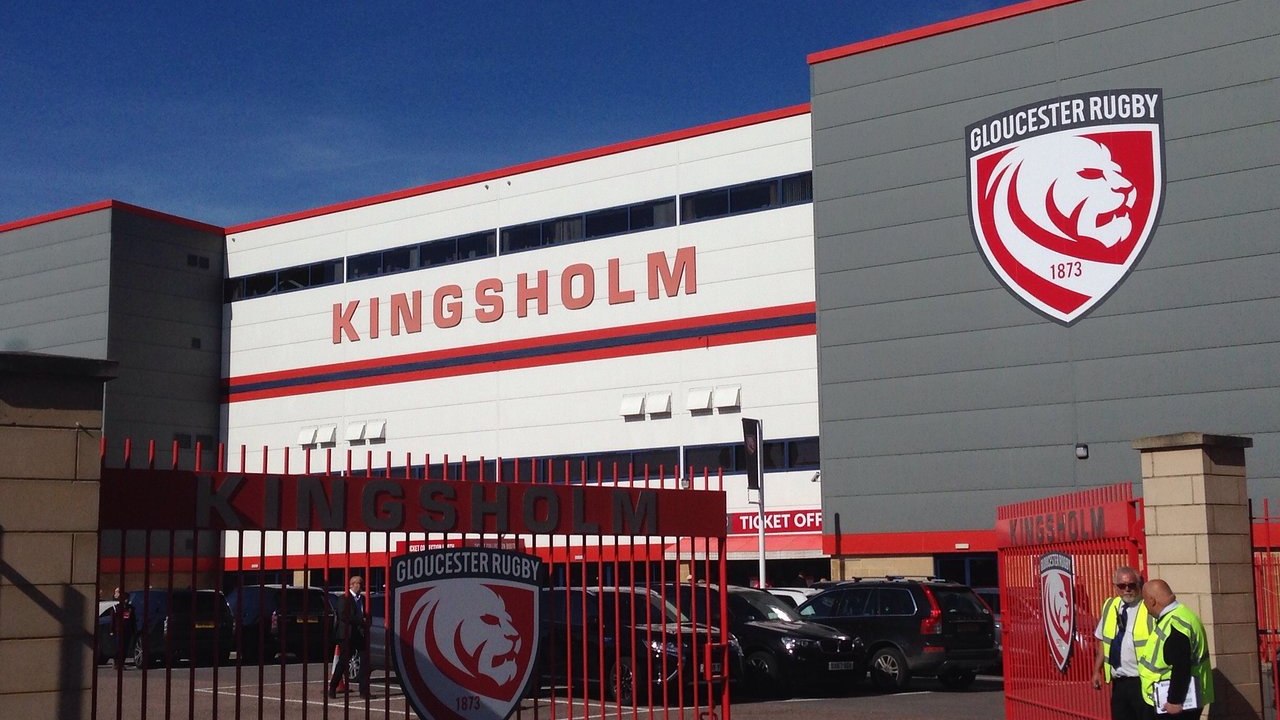
Kingsholm Stadium is a rugby union stadium located in the Kingsholm area of Gloucester, England, and is the home stadium of Gloucester Rugby. The stadium has a capacity of 16,115. It is sometimes nicknamed 'Castle Grim' after the estate where the stadium is built. The new main grandstand, opened in 2007, is an all seated 7,500 capacity stand along the south touchline. It is currently sponsored by Kingsholm was used as a home stadium for England before they settled at Twickenham and also hosted New Zealand versus United States for a pool match in the 1991 Rugby World Cup. In common with many grounds of English professional Rugby Union clubs, Kingsholm features several terraced standing areas. The North Stand is such an area and is known colloquially as 'The Shed'. It runs down the whole length of the pitch and holds around 3,000 people. The Shed is known within Rugby Union for its proximity to the pitch and the low roof, enabling fervent home support. The West Stand terrace holds around 1,615 spectators and has a row of hospitality boxes located above. It is sponsored by Stowford press. The East Stand is an all seater stand located directly on Kingsholm Road. It holds around 3,000 fans. It is sponsored by JS Facilities Group.
Kingspan Stadium
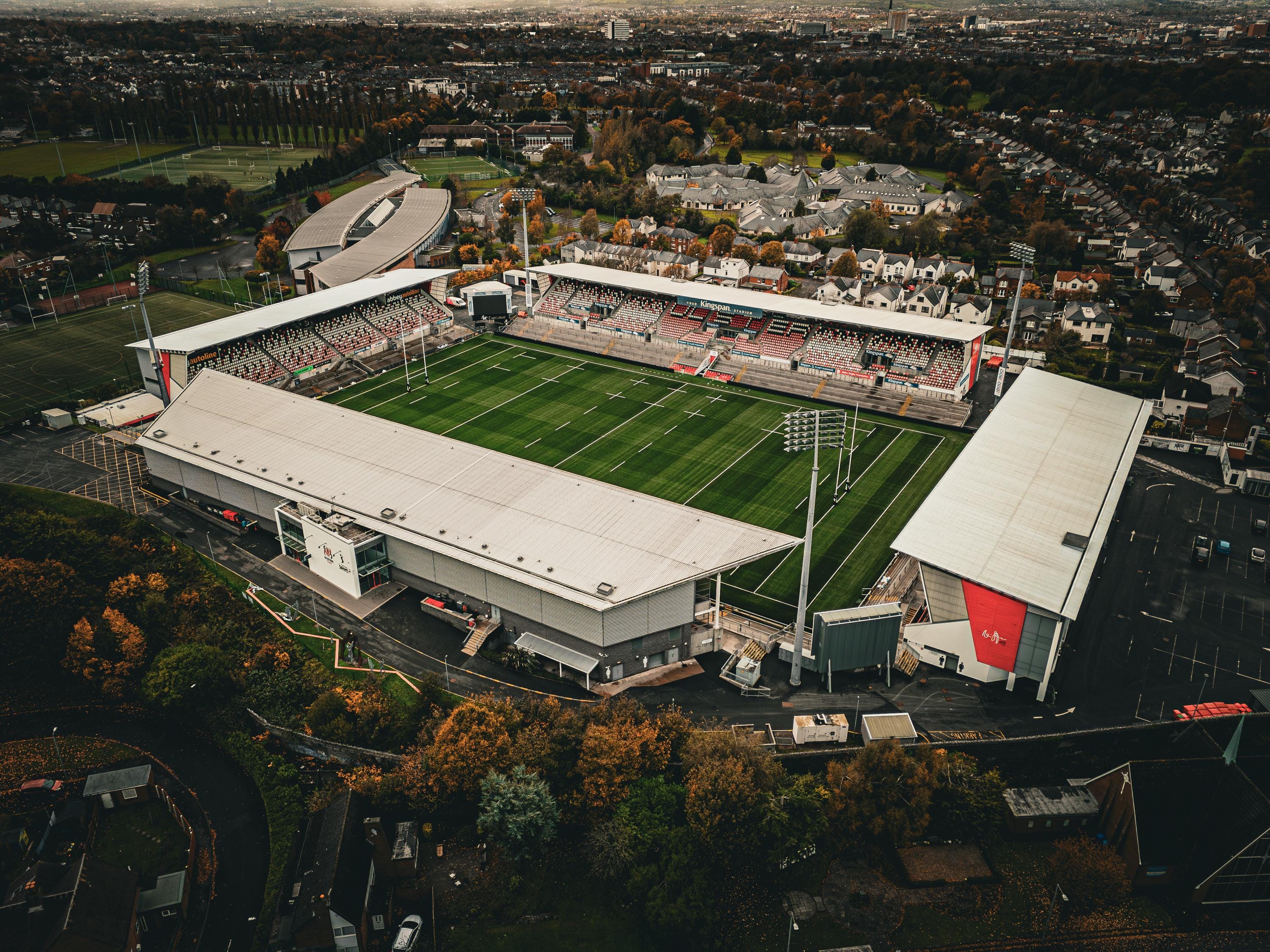
Kingspan Stadium (formerly Ravenhill) is the home of Ulster Rugby in Belfast, Northern Ireland. One of Irish rugby's most historic grounds, it has been the home of Ulster since 1923. The stadium was redeveloped in stages between 2010 and 2014, modernizing the facilities while maintaining its traditional atmosphere. Ulster's passionate supporters create one of the most intimidating atmospheres in the URC.
Kingston Park
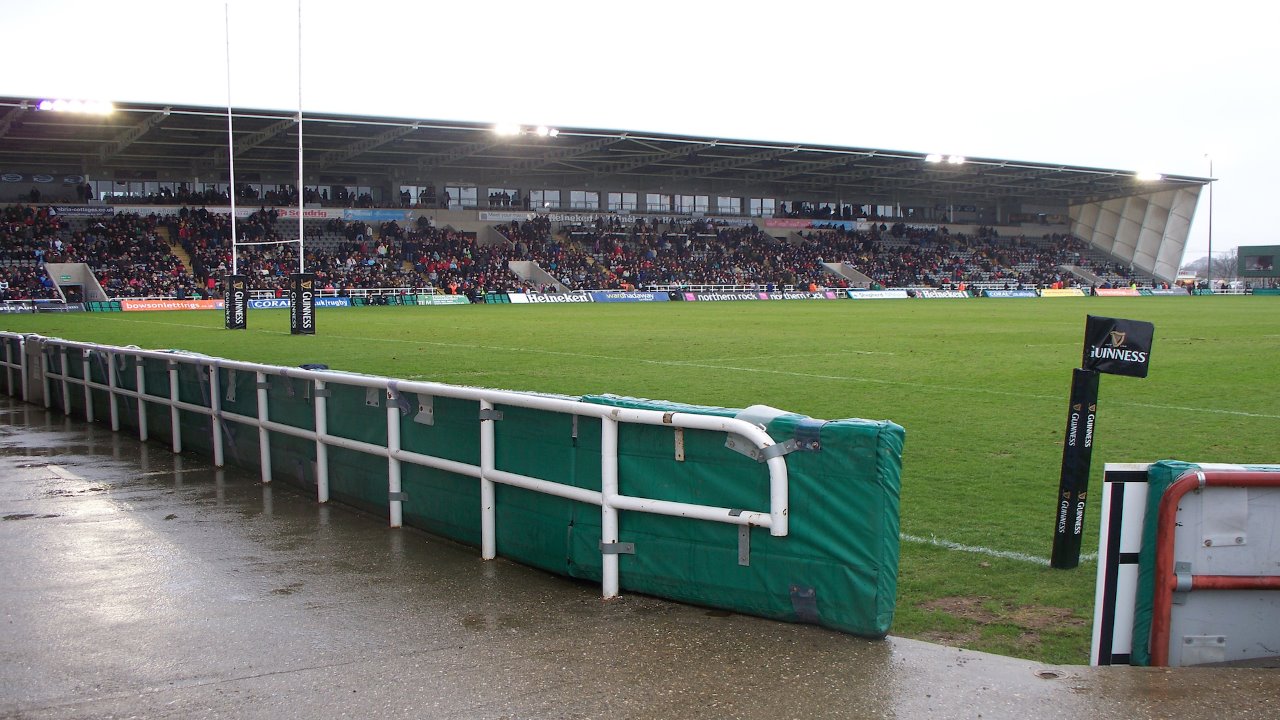
Kingston Park is a multi-purpose stadium in Kingston Park, Newcastle upon Tyne, England. It is used mostly for rugby union and rugby league matches and is the home stadium of Premiership Rugby side Newcastle Falcons, and Betfred League One Rugby League side Newcastle Thunder, as well as Women's Championship side Newcastle United Women. From 2007 to 2009 it was home to semi-professional football team Newcastle Blue Star.
Loftus Versfeld Stadium
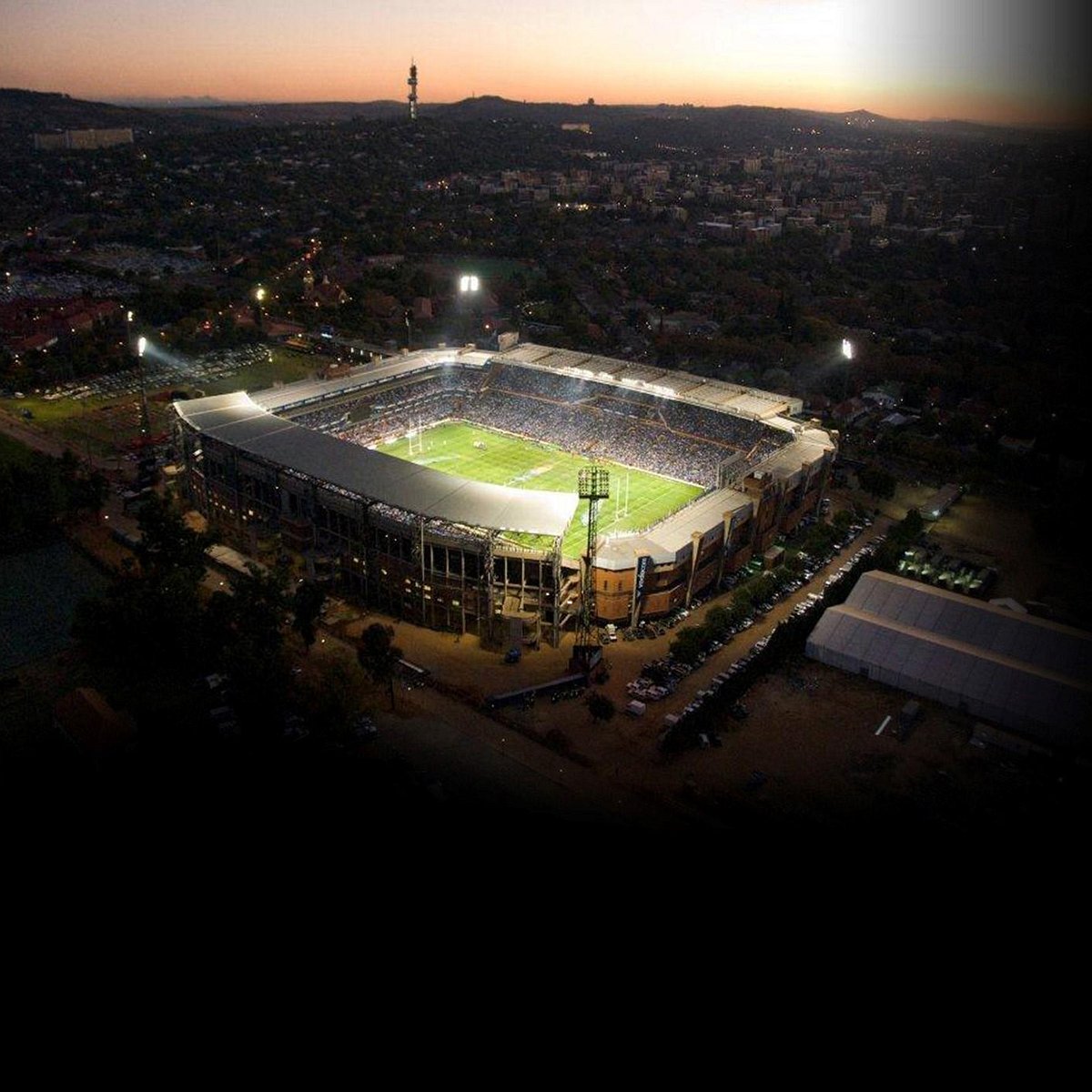
Loftus Versfeld is one of South Africa's oldest and most storied rugby venues, located in the Arcadia suburb of Pretoria. Named after Robert Owen Loftus Versfeld, a pioneer of organised sport in Pretoria, the stadium is the home of the Bulls in the United Rugby Championship. At 1,350 metres above sea level, the altitude creates challenging conditions for visiting teams. The ground is renowned for its passionate Blue Bulls supporters and has hosted numerous Springbok test matches and World Cup fixtures.
Mattioli Woods Welford Road
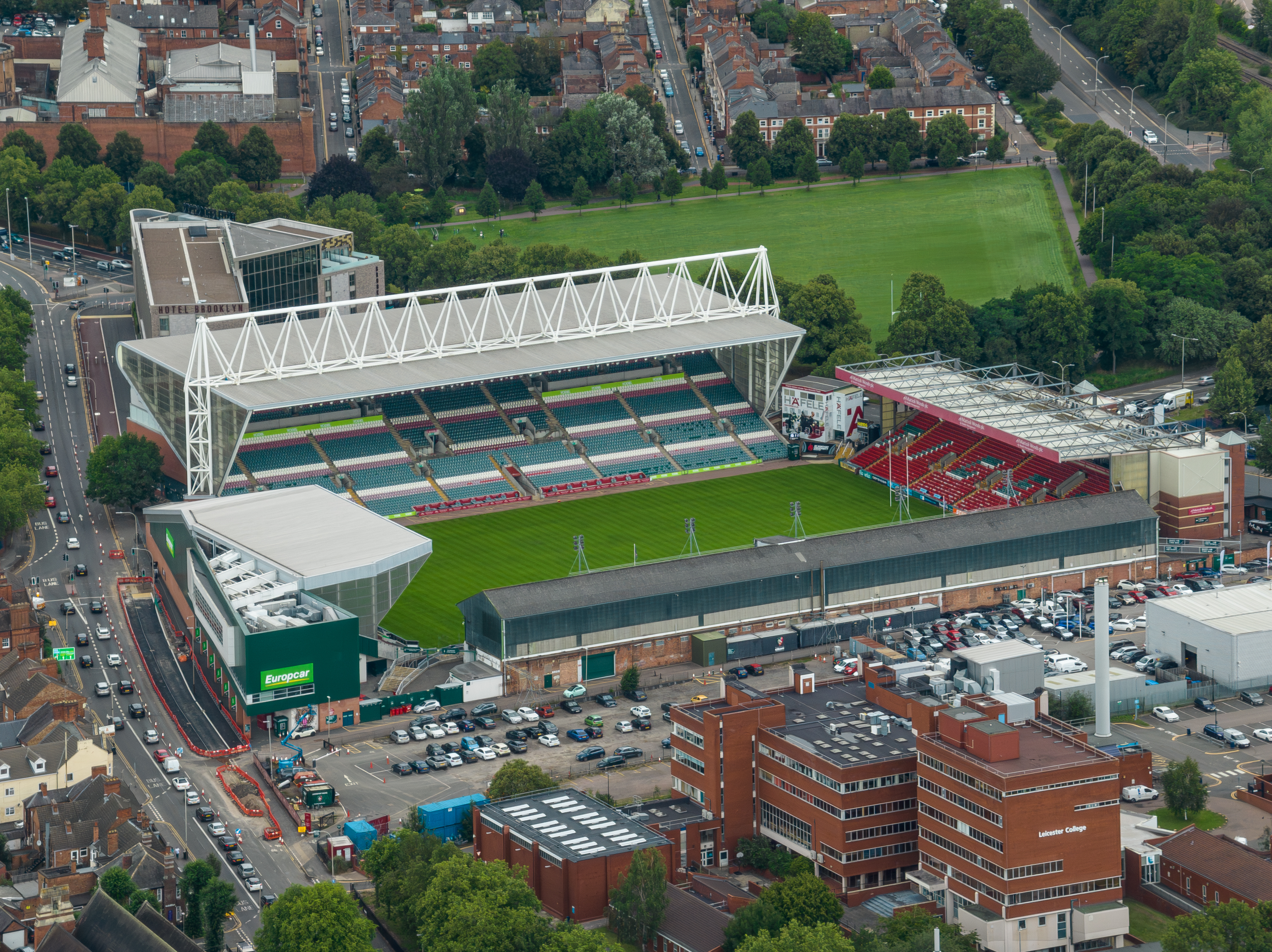
Welford Road is the home of Leicester Tigers and the oldest purpose-built rugby ground in the world still in use. Located in the heart of Leicester, the stadium has been the Tigers' home since 1892 and is renowned as one of the most atmospheric club grounds in world rugby. The "Crumbie Stand" and the famous "Terrace" end create a wall of noise that has intimidated visiting teams for over a century. Leicester Tigers have won more English league titles than any other club.
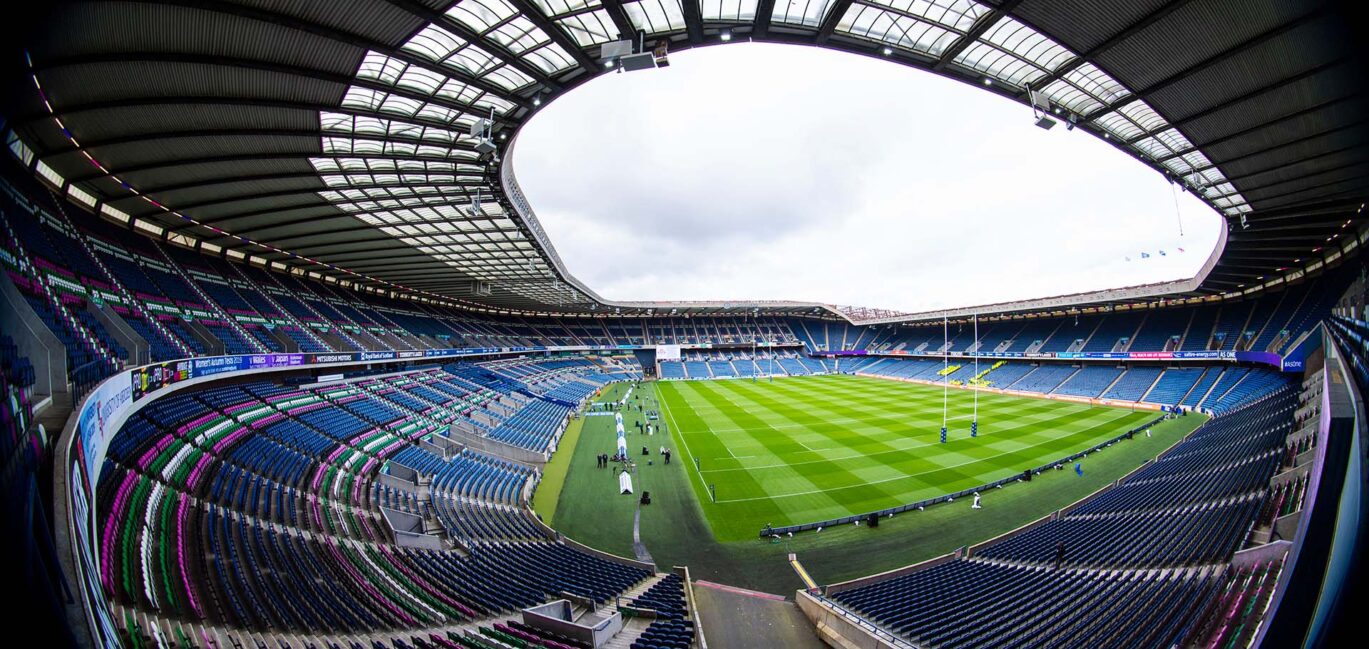
Murrayfield Stadium
Murrayfield Stadium, officially known as Scottish Gas Murrayfield, is the home of Scottish Rugby and the largest stadium in Scotland. Originally opened in 1925, it has been redeveloped several times, most recently in the 1990s with the addition of new stands. The stadium sits in the Murrayfield area of Edinburgh, about two miles west of the city centre. It is famous for its pre-match piping of "Flower of Scotland" and the passionate "Murrayfield Roar" from Scottish fans.
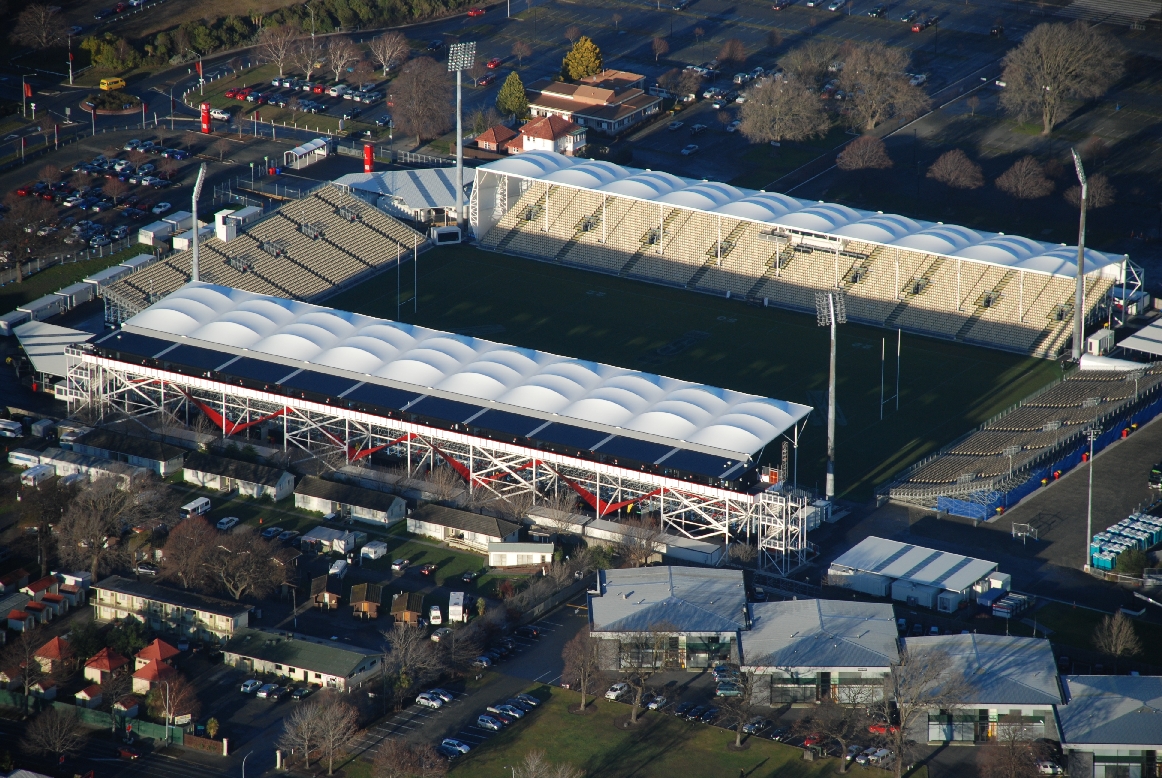
Orangetheory Stadium
Orangetheory Stadium (formerly AMI Stadium and Christchurch Stadium) is the temporary home of the Crusaders in Super Rugby, built after the original Lancaster Park was damaged in the 2011 Christchurch earthquake. Despite its smaller capacity, the stadium has maintained the Crusaders' legendary home record — they are the most successful franchise in Super Rugby history with 13 titles. The intimate setting creates an intense atmosphere.
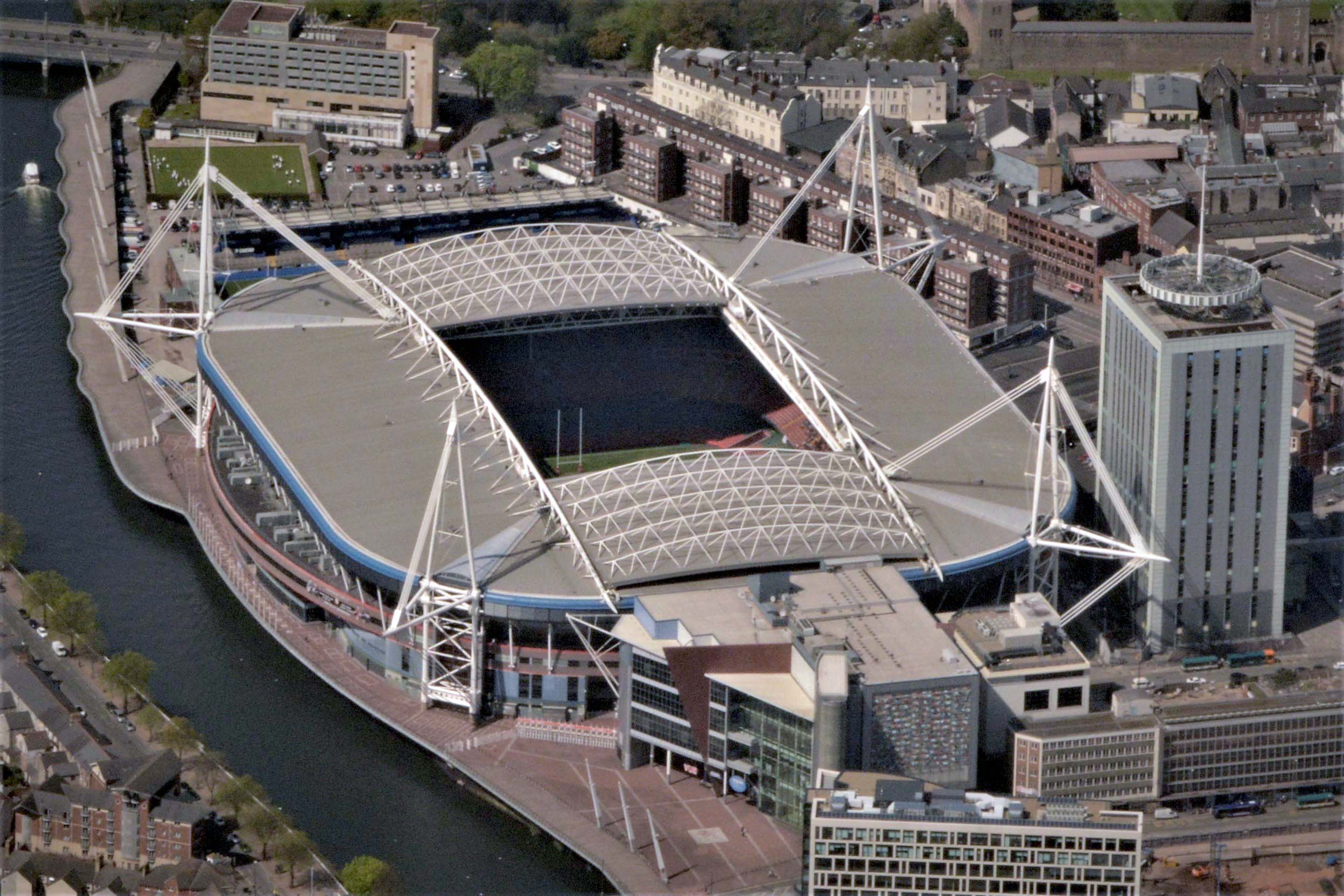
Principality Stadium
The Principality Stadium, formerly the Millennium Stadium, is the national stadium of Wales located in the heart of Cardiff city centre. It was built for the 1999 Rugby World Cup and features a retractable roof, making it one of the few stadiums in Europe with this capability. The stadium sits on the banks of the River Taff and is renowned for its atmospheric match-day experience. It hosts all Wales home Six Nations fixtures and has also staged FA Cup finals, NFL games, and major concerts.
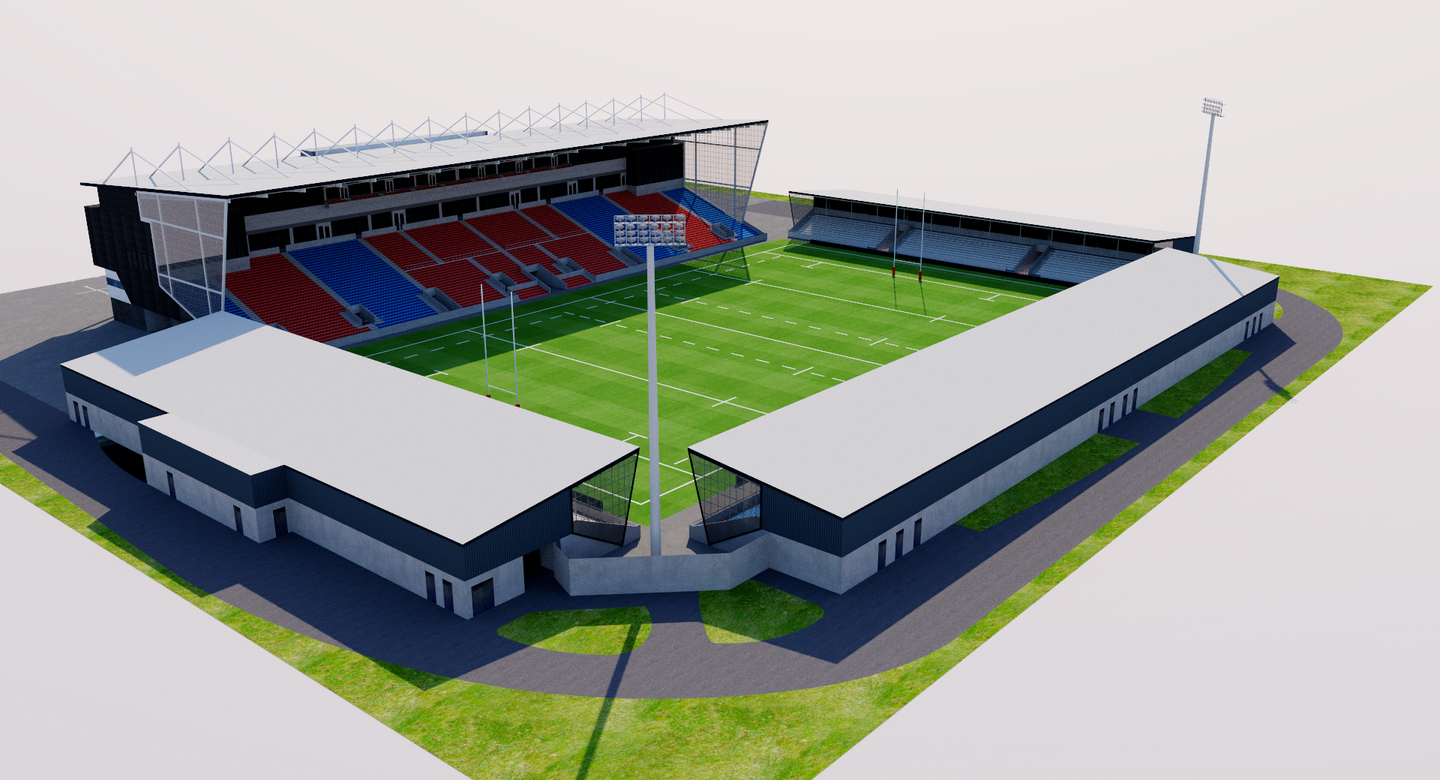
Salford Community Stadium
Salford Community Stadium, also known as the AJ Bell Stadium for sponsorship reasons, opened in 2011 with a 12,000 capacity. It is the home ground for the Salford Red Devils rugby league team and is also shared by the Sale Sharks rugby union club. A notable feature is that it was the first purpose-built rugby stadium to open in Great Britain in over 100 years.
Sandy Park
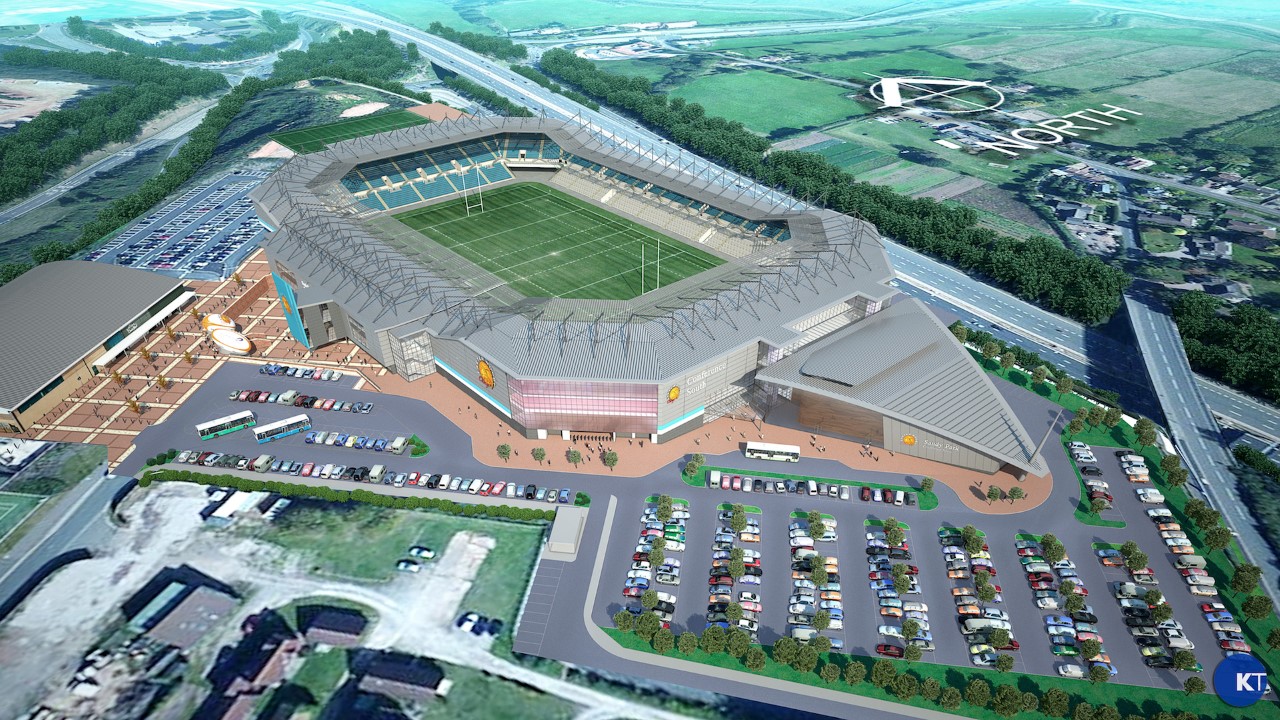
Sandy Park is a rugby union stadium and conference and banqueting centre in Exeter, England. It is the home ground of Exeter Chiefs, who from the 2010–11 season have been playing in the Gallagher Premiership, the top flight of the English rugby union league system. The club relocated there from their former stadium at the County Ground in 2006. The stadium can hold 12,800 spectators and is located adjacent to M5 junction 30, which is around 5 miles from Exeter City Centre. Sandy Park played host to the England Saxons vs Ireland Wolfhounds on 28 January 2012; the England Saxons won 23–17.
Scotstoun Stadium
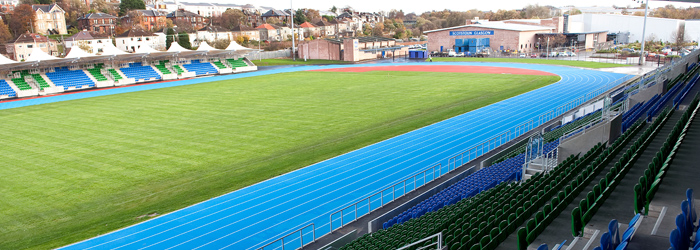
Scotstoun Stadium is the home of Glasgow Warriors in the United Rugby Championship, located in the west end of Glasgow. While originally an athletics venue, it has been adapted for rugby and provides an intimate, atmospheric setting for Warriors matches. Glasgow Warriors became the first Scottish team to win the Pro14 (now URC) in 2015, and Scotstoun has been central to their growth as a competitive force in European rugby.
Sky Stadium
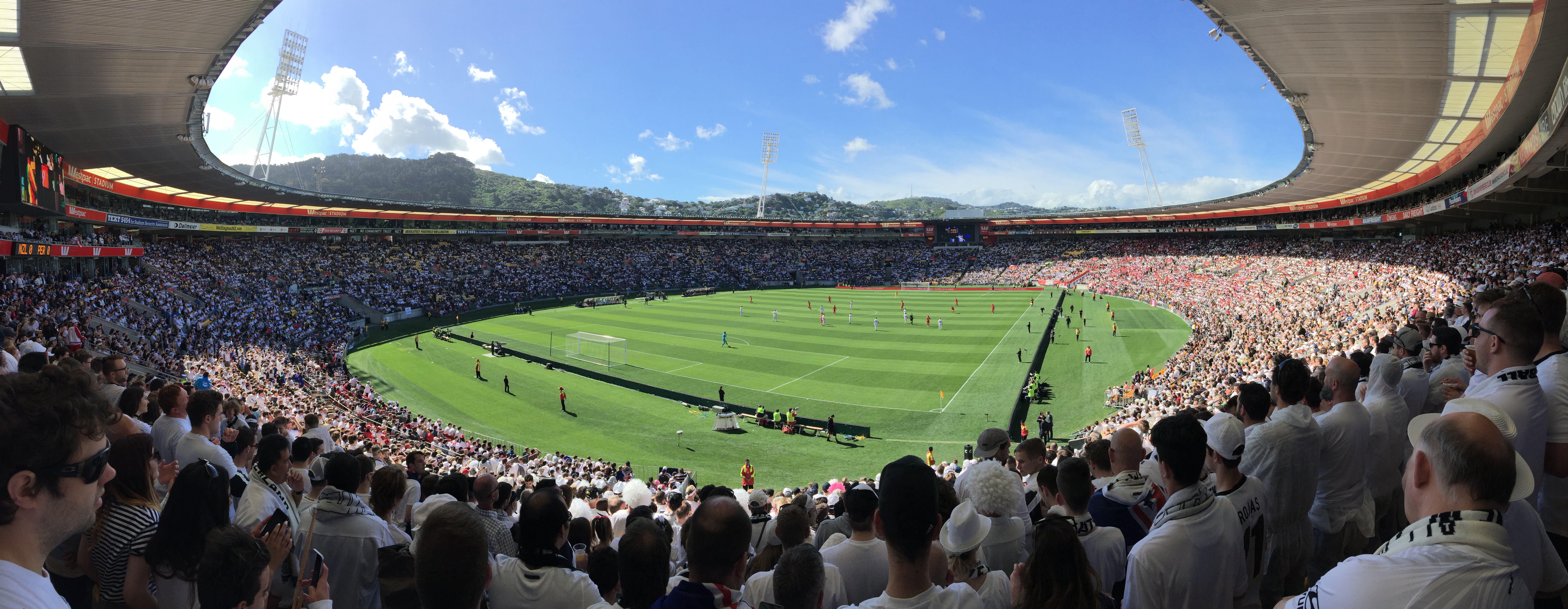
Sky Stadium (formerly Westpac Stadium and the "Cake Tin" to locals due to its distinctive shape) is a multi-purpose stadium in Wellington, New Zealand. It is the home ground of the Hurricanes in Super Rugby and hosts All Blacks test matches. Located on the waterfront near Wellington's central business district, the stadium offers spectacular views of the harbour and surrounding hills. The open bowl design can make conditions challenging in Wellington's famously windy weather.
Stade de France
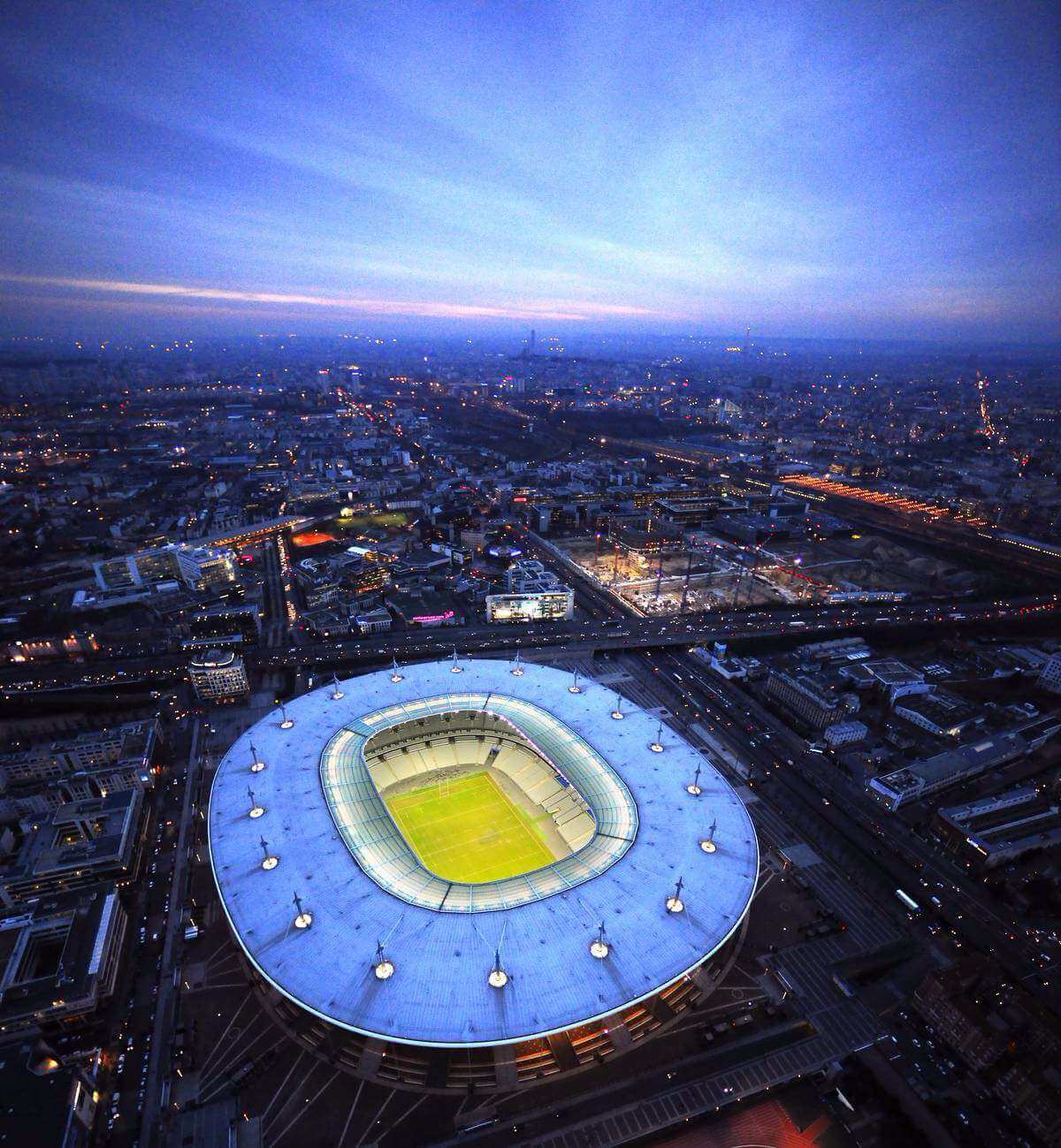
The Stade de France is the national stadium of France, located in Saint-Denis just north of Paris. Built for the 1998 FIFA World Cup, it serves as the home ground for French rugby union and football internationals. The stadium is renowned for its electric atmosphere during Six Nations matches, where "Les Bleus" enjoy passionate support. It hosted the 2007 Rugby World Cup final and several 2023 Rugby World Cup matches including the opening ceremony.
Stadio Olimpico
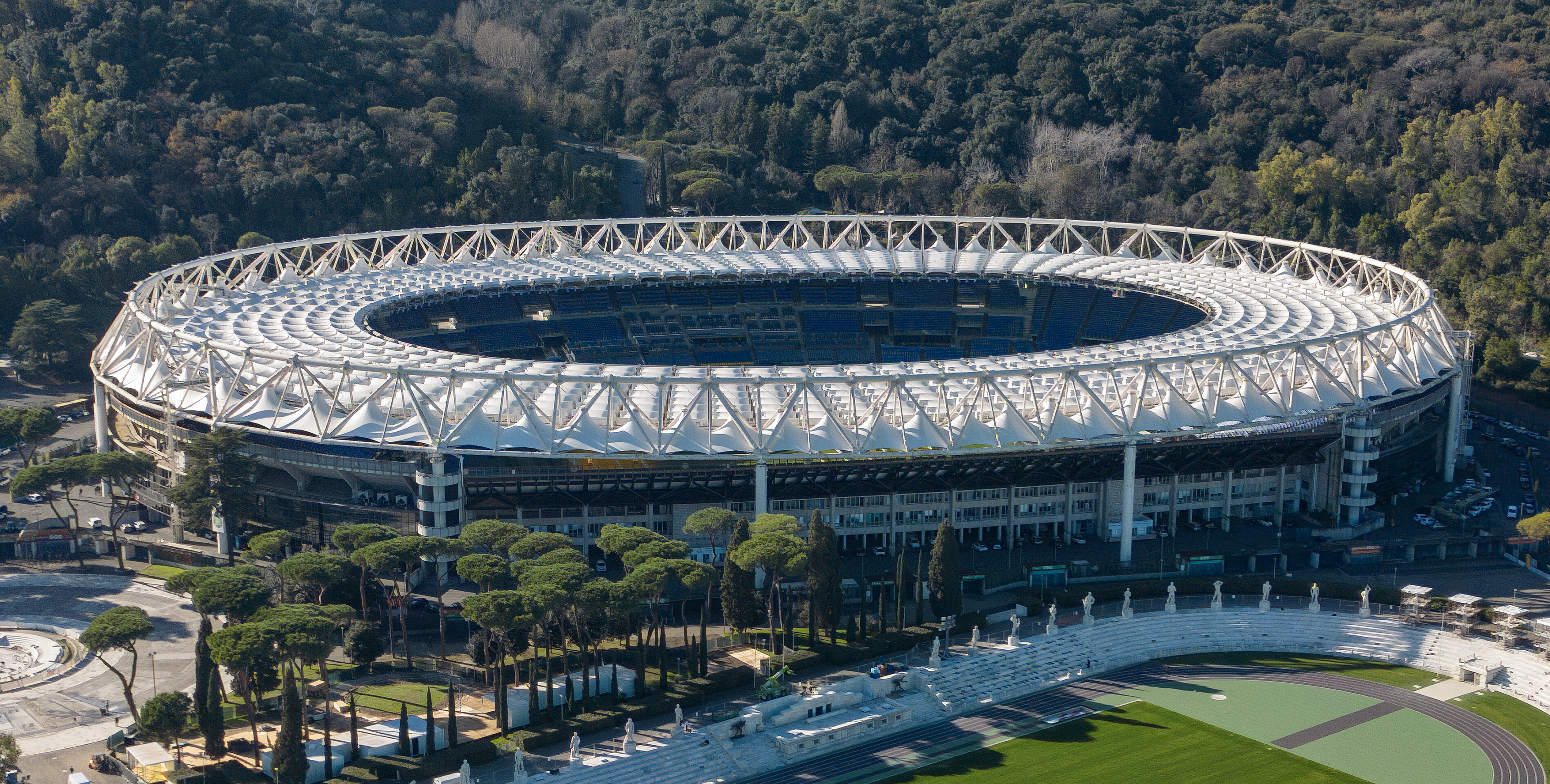
The Stadio Olimpico is the largest sports facility in Rome and serves as the home ground for Italy's rugby union team during the Six Nations Championship. Originally built for the 1960 Summer Olympics, the stadium was extensively renovated for the 1990 FIFA World Cup. While primarily a football venue shared by AS Roma and SS Lazio, it transforms into a passionate rugby arena during Italy's Six Nations home matches, with Italian fans creating a vibrant atmosphere with their tricolore flags.

StoneX Stadium
StoneX Stadium, formerly known as Allianz Park, is the home of Saracens Rugby Club in Hendon, north London. The ground was converted from the former Barnet Copthall athletics stadium and opened as a rugby venue in 2012. Despite its relatively modest capacity, the purpose-built facility has become one of the most successful home grounds in English rugby, with Saracens dominating the Premiership and European rugby during their tenure here.
Suncorp Stadium
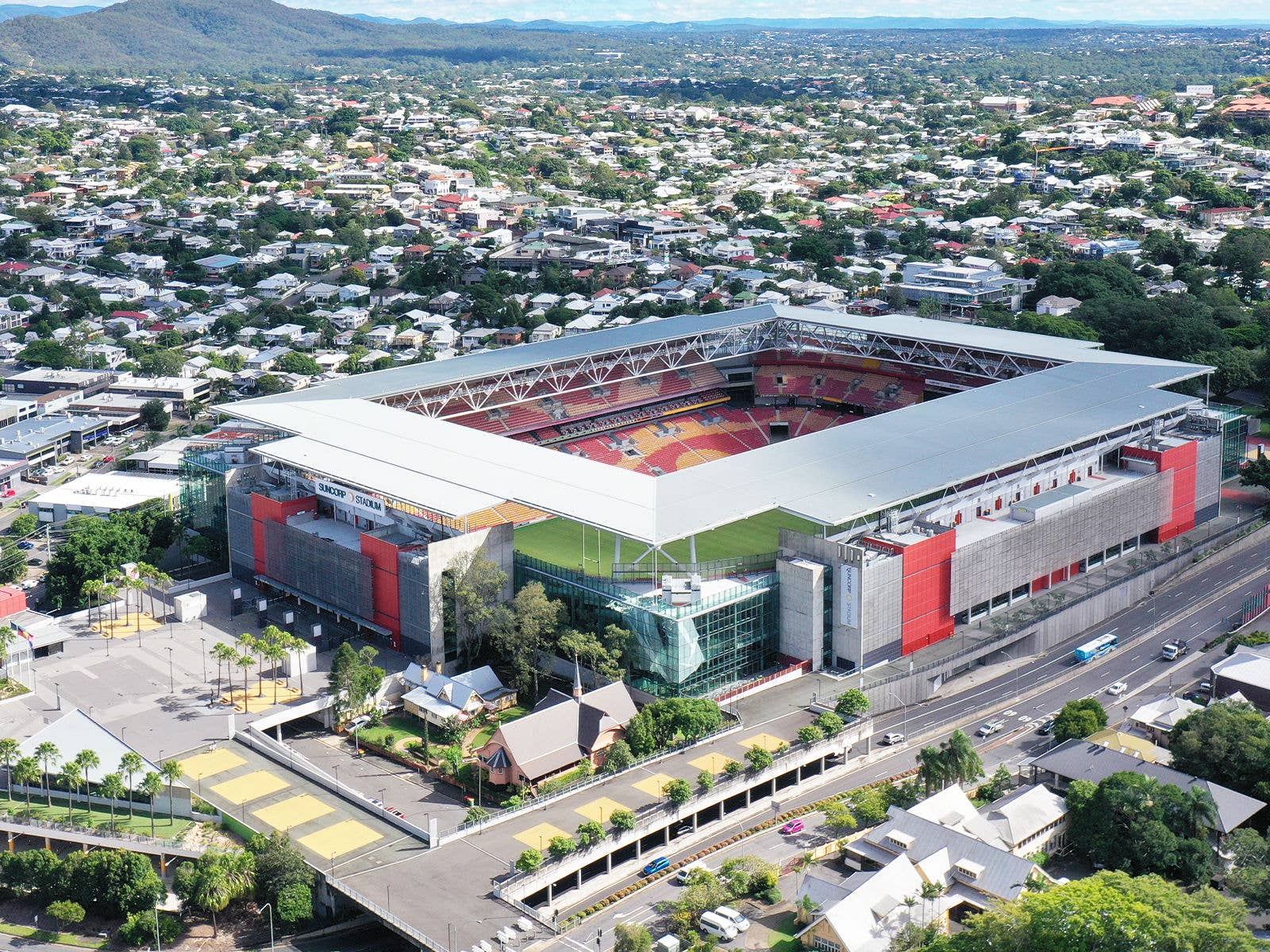
Suncorp Stadium (Lang Park) in Brisbane is one of Australia's premier rectangular sporting venues. Known as "The Cauldron" for the intense atmosphere generated by its steep, enclosed stands, the stadium is the home of the Queensland Reds in Super Rugby. It regularly hosts Wallabies test matches and Bledisloe Cup fixtures. The $280 million redevelopment completed in 2003 transformed the original Lang Park into a world-class venue.
Sydney Football Stadium
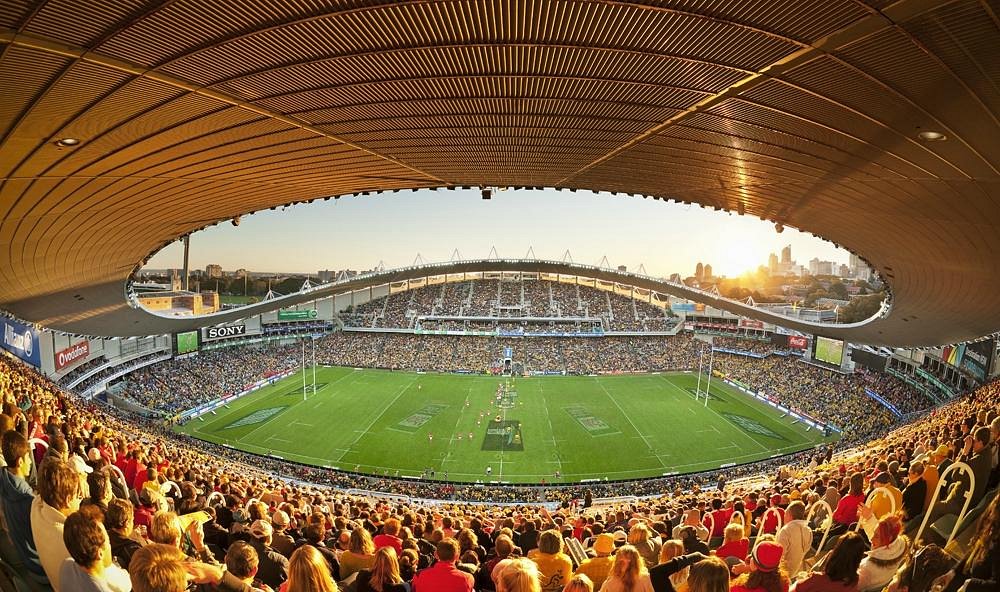
The new Sydney Football Stadium (Allianz Stadium) in Moore Park is the home of Australian rugby union in Sydney. The rebuilt stadium replaced the original 1988 venue and opened in 2022 with state-of-the-art facilities. It serves as the primary home ground for the NSW Waratahs in Super Rugby and hosts Wallabies test matches. The rectangular stadium offers excellent sightlines and a modern fan experience in one of Sydney's most accessible sporting precincts.
The Recreation Ground
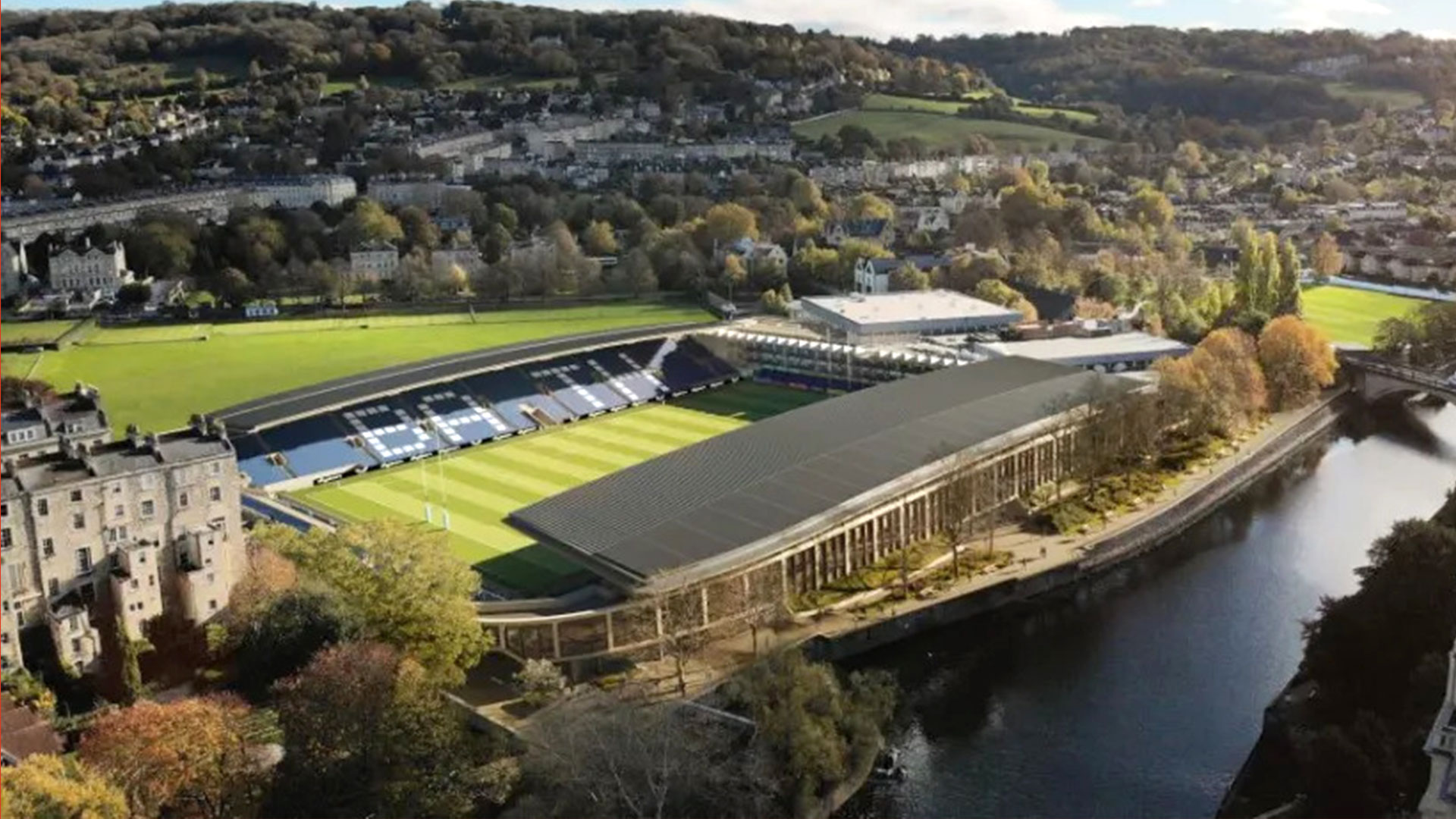
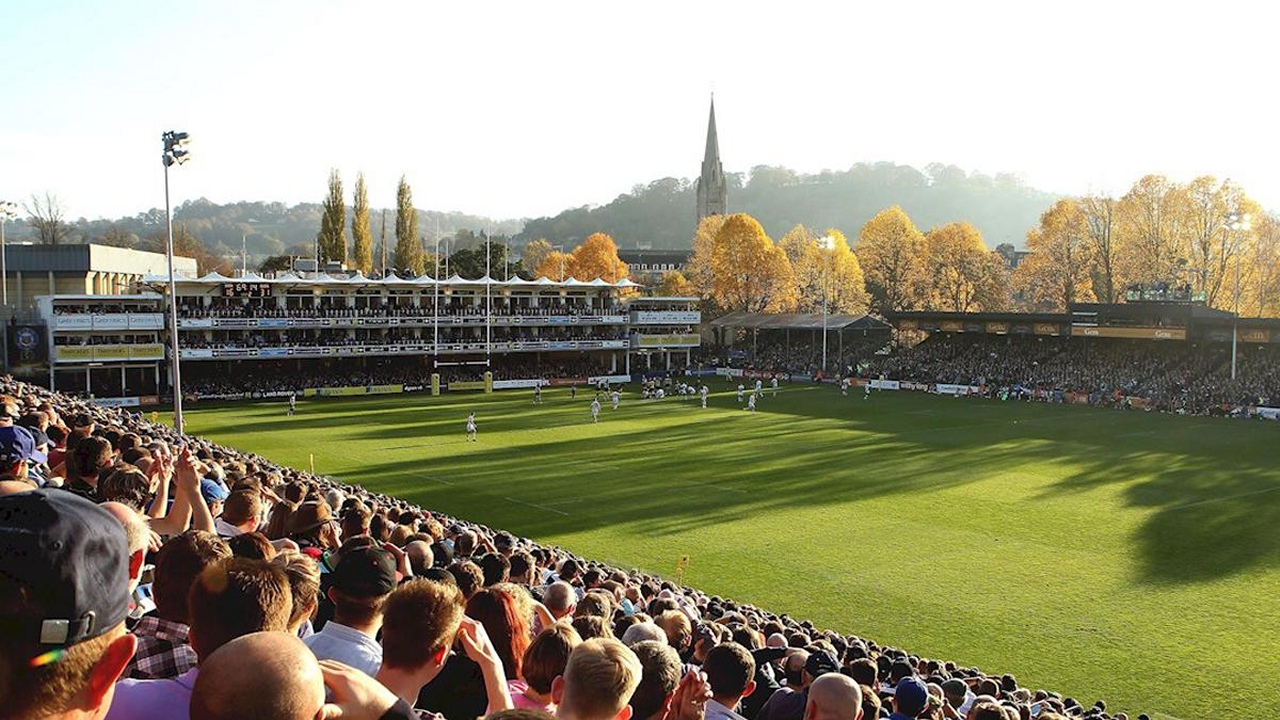
The Recreation Ground, known locally as "The Rec," is the home of Bath Rugby, located in the centre of Bath alongside the River Avon. The ground is one of the most picturesque rugby venues in England, with views of Bath Abbey and the surrounding Georgian architecture. Bath Rugby have played here since 1894, and the intimate setting creates a unique atmosphere. Plans for redevelopment have been discussed for years to increase capacity while respecting the UNESCO World Heritage Site surroundings.
The Recreation Ground Bath
The Recreation Ground (commonly the Rec) is a large open space in the centre of Bath, England, next to the River Avon, which is available to be used by permission from the Recreation Ground Trust for recreational purposes by the public at large but particularly the people of Bath and surrounding areas. About a quarter of the Rec is leased to Bath Rugby during the rugby union season as a sports ground capable of holding 14,500 people. During the summer the rugby ground's temporary East Stand is removed to make way for cricket on a larger pitch. This cricket pitch is used for local contests and was used by Somerset County Cricket Club until 2011. Parts of the eastern area of the Rec are used by Bath Hockey Club, Bath Croquet Club, Bath Drama Club, Bath Quidditch Club and for some tennis courts. Pitches are available for amateur sports such as Football, Volleyball and Lacrosse. There is a cricket pavilion at the William Street entrance to the ground. The council-run Sports and Leisure Centre is located on the southern edge of the Rec, accessed via North Parade. In former years the Rec was subject to periodic flooding from the River Avon, but a flood alleviation scheme in the 1960s improved the flow of the river. However, the Rec remains part of the floodplain at risk of occasional flooding. The ground can still get very boggy after heavy rains.
Thomond Park
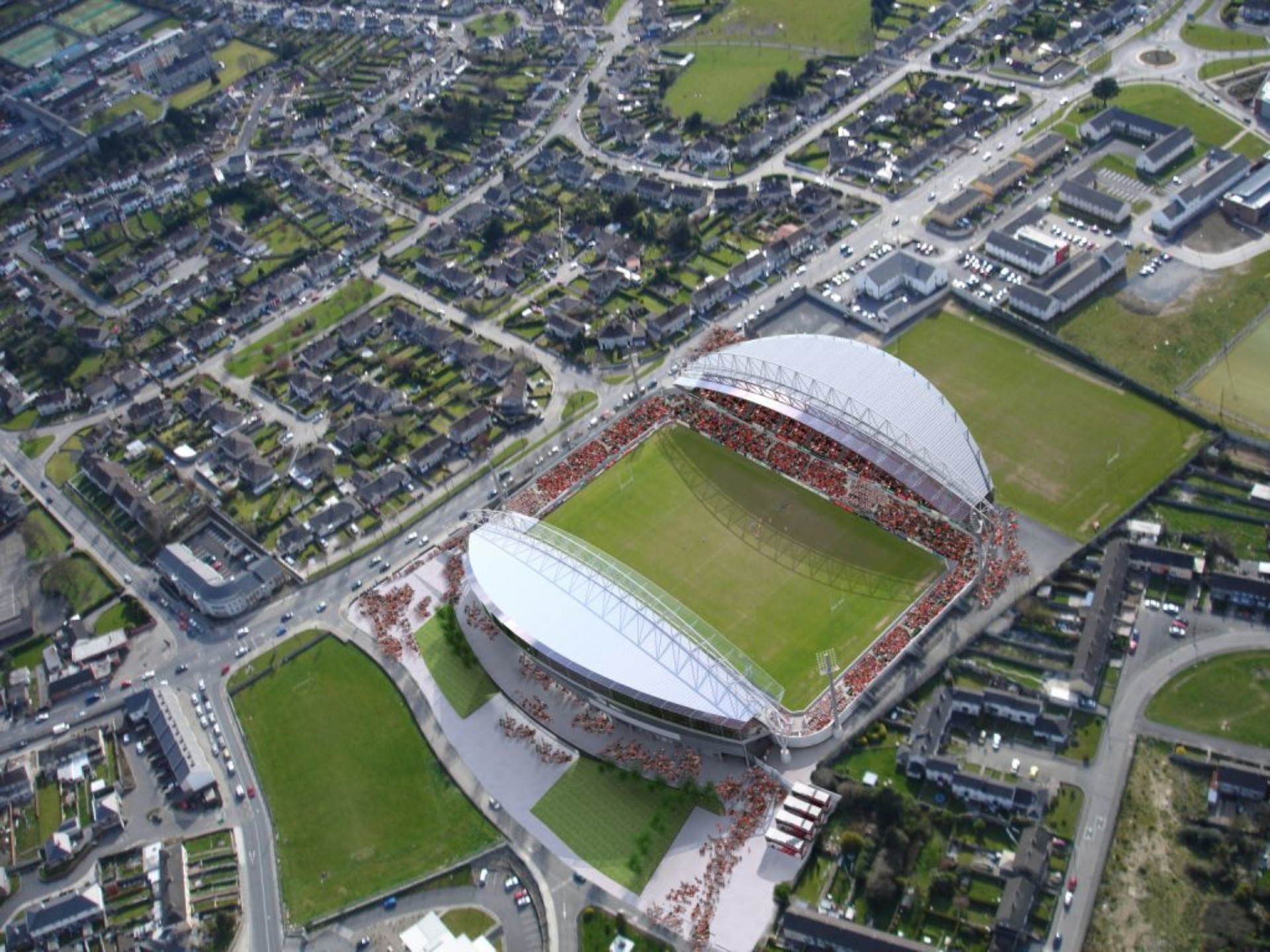
Thomond Park is the home of Munster Rugby in Limerick, Ireland, and is considered one of the most intimidating club grounds in world rugby. The stadium is famous for its incredible atmosphere, particularly during Heineken Cup matches, where Munster's passionate "Red Army" of supporters create an electric environment. The ground holds a special place in rugby folklore after Munster's famous victory over the All Blacks in 1978, and the "Stand Up and Fight" anthem resonates throughout the ground on match days.
Twickenham Stadium
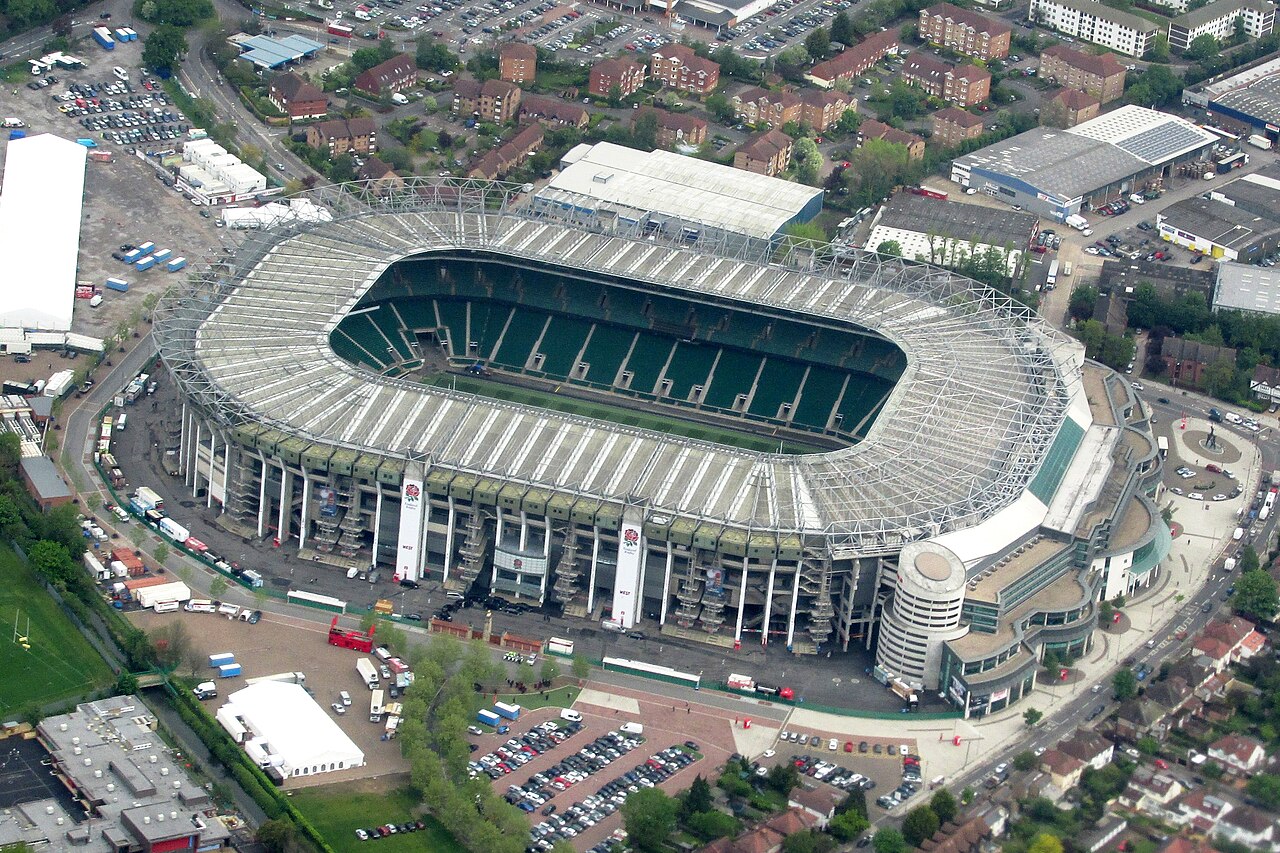
Twickenham Stadium is the home of England Rugby and the largest dedicated rugby union venue in the world. Known as the "Cabbage Patch" due to the market gardens that previously occupied the site, it has hosted Rugby World Cup finals, Six Nations matches, and Premiership finals. The stadium underwent major redevelopment between 2005 and 2006, adding the South Stand and increasing capacity. It is owned by the Rugby Football Union and serves as their headquarters.
Twickenham Stoop
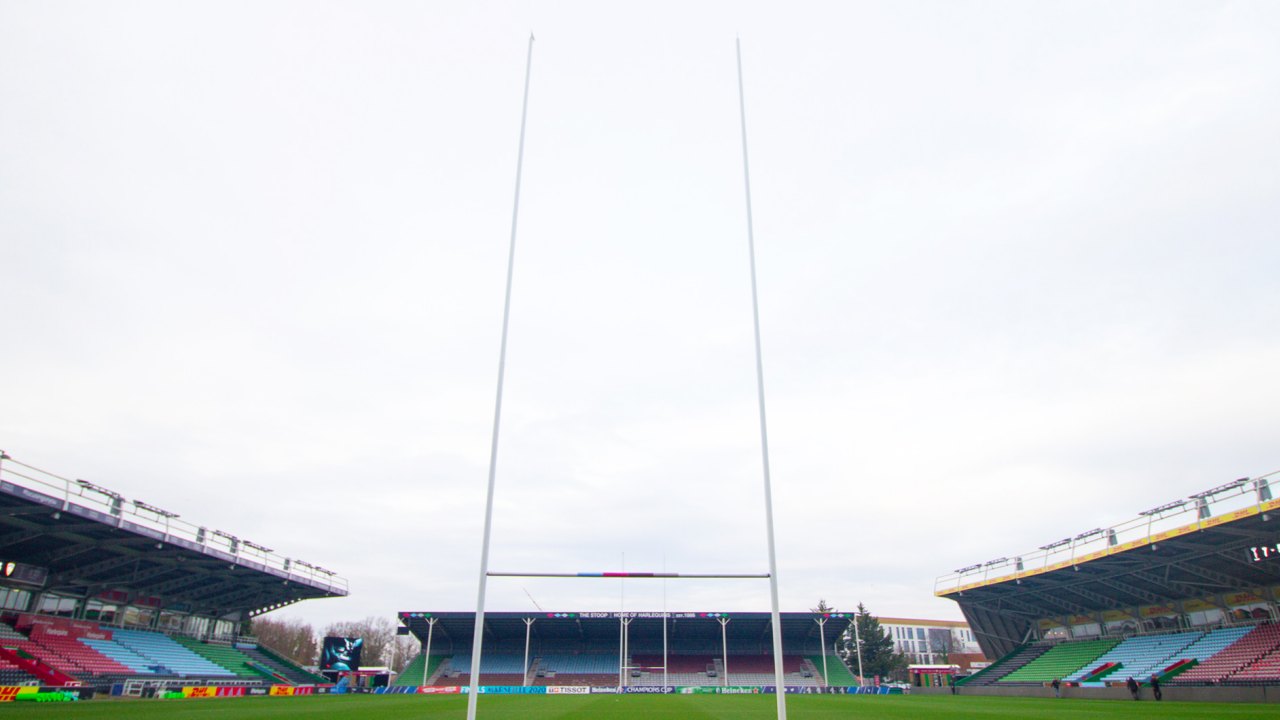
Twickenham Stoop Stadium (informally referred to as The Stoop) is a stadium located in south-west London, England, situated just across the road from Twickenham Stadium. The stadium is home to the Harlequins in Premiership Rugby and has a capacity of 14,800.
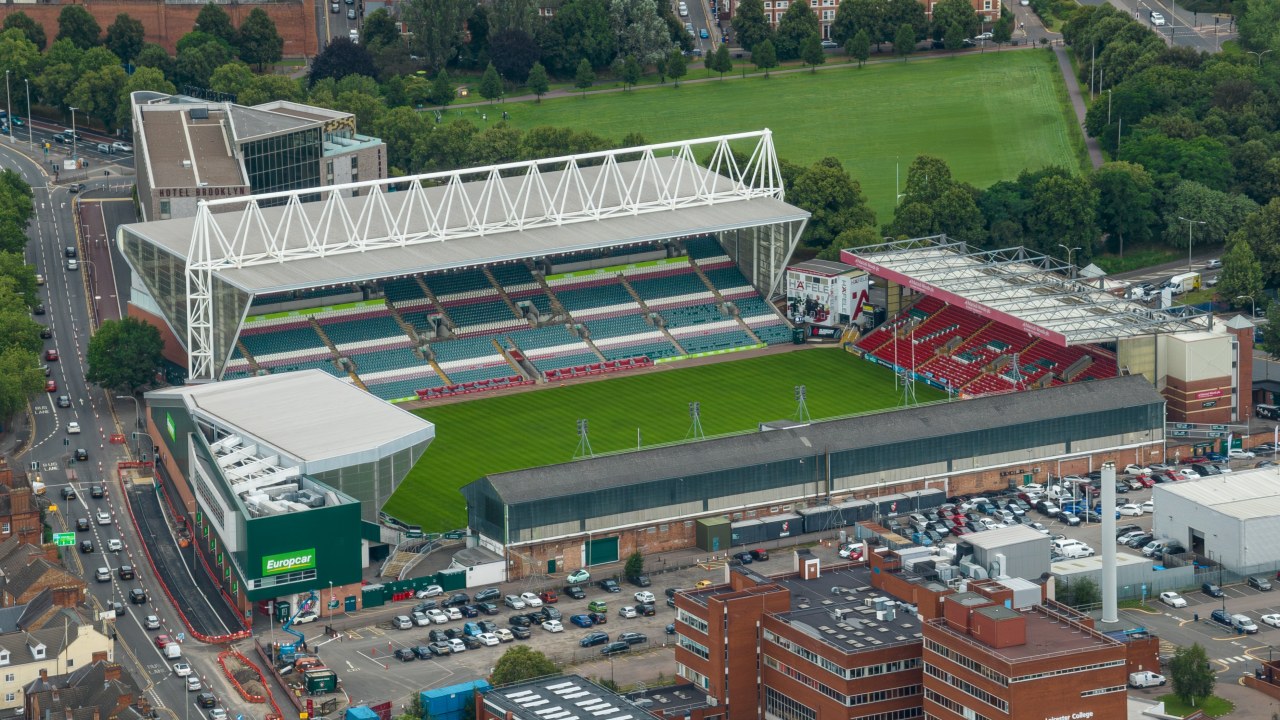
Welford Road
Welford Road (currently known as Mattioli Woods Welford Road for sponsorship reasons) is a rugby union stadium in Leicester, England, and is the home ground of Leicester Tigers. The ground was opened on 10 September 1892 and is located between Aylestone Road and Welford Road on the southern edge of the city centre. The ground was developed in two main periods: either side of World War I stands were built on both sides, and then between 1995 and 2016 both ends were developed and the north side redeveloped. The stadium has a capacity of 25,849, making it the largest purpose-built club rugby union ground in England. It hosted five full England national team matches between 1902 and 1923, and staged a single match at both the 1991 and 1999 Rugby World Cups.