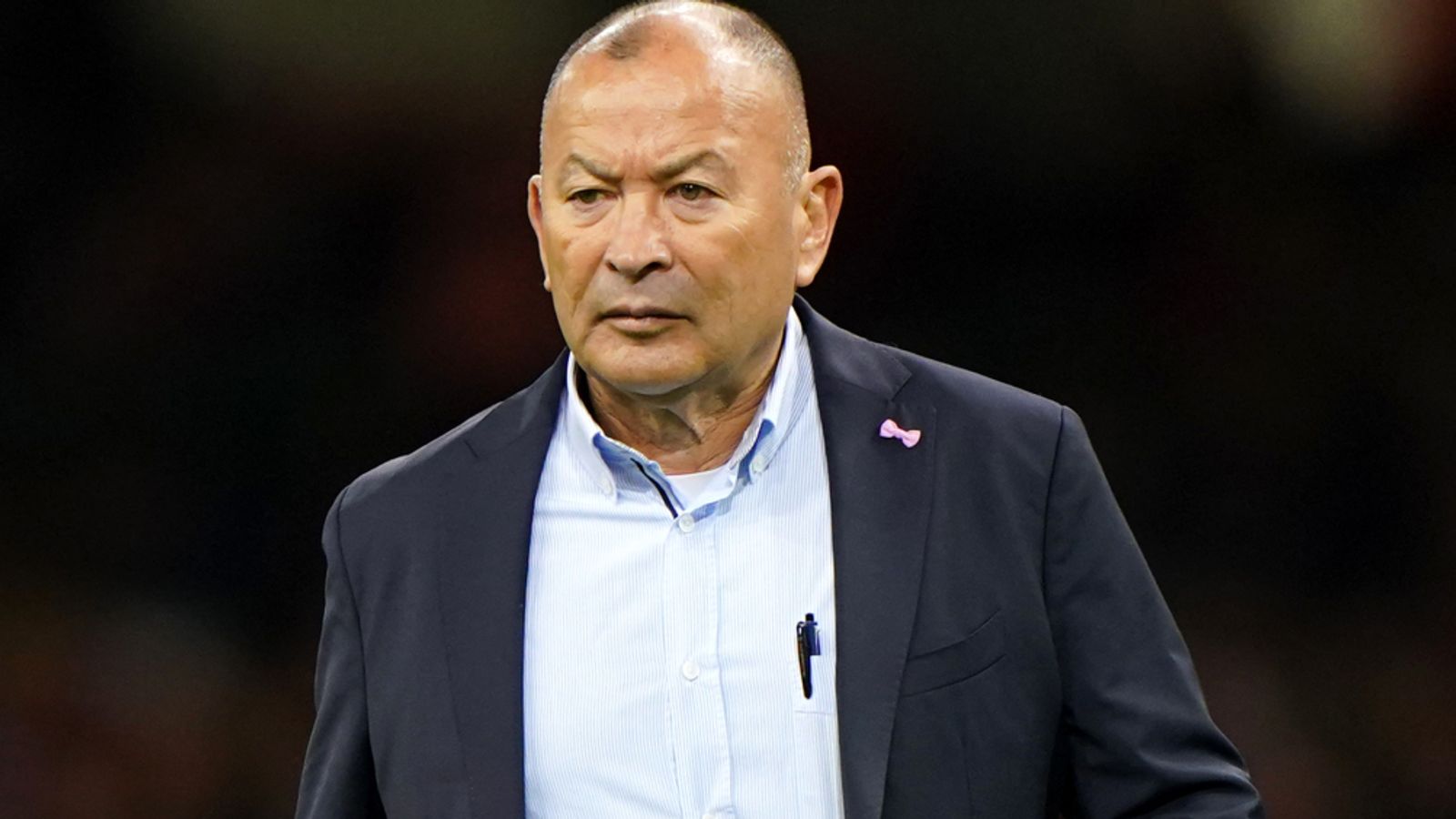
Dave Rennie has given the clearest signal yet of what his All Blacks tenure is going to look like — and it bears almost no resemblance to the kick-heavy template New Zealand has leaned on for the past three seasons. Speaking to Sky Sport before he turns over his first squad in the coming weeks, the new head coach laid out a philosophy built on counter-attack, turnover ball and an attitude of optimism rather than control.
"A big thing for me is going to be about work ethic," Rennie said. "We're looking for repeat efforts and we need some big shifts in that in some places."
The headline policy shift came when Rennie was asked how he wants the team to behave when it does not have possession. His answer reframed an entire phase of the game.
"I've always had a mindset around counter-attack and turnover attack [...] I established a bit of a structure around treating counter-attack as a set piece," Rennie said. "Last year, I think the All Blacks scored three tries from counter-attack and three from turnover attack, and so we want to change the mindset around that and have some accountability around it."
That language — set piece — is significant. New Zealand's lineouts and scrums have been mapped, drilled and walked through a thousand times. The proposition that broken-field receipts deserve the same level of structure marks a generational break from the recent playbook, which has often defaulted to recycled box kicks when pressure rose. Rennie wants the All Blacks looking up the field rather than punting it back.
He also confirmed the squad is closer to finalised than many assumed. "We've already picked 34, and so the next few weeks is going to be about add and delete, really," he said. "I think it's playing with a bit of optimism [...] We'll certainly coach with optimism and expect the players to embrace it."
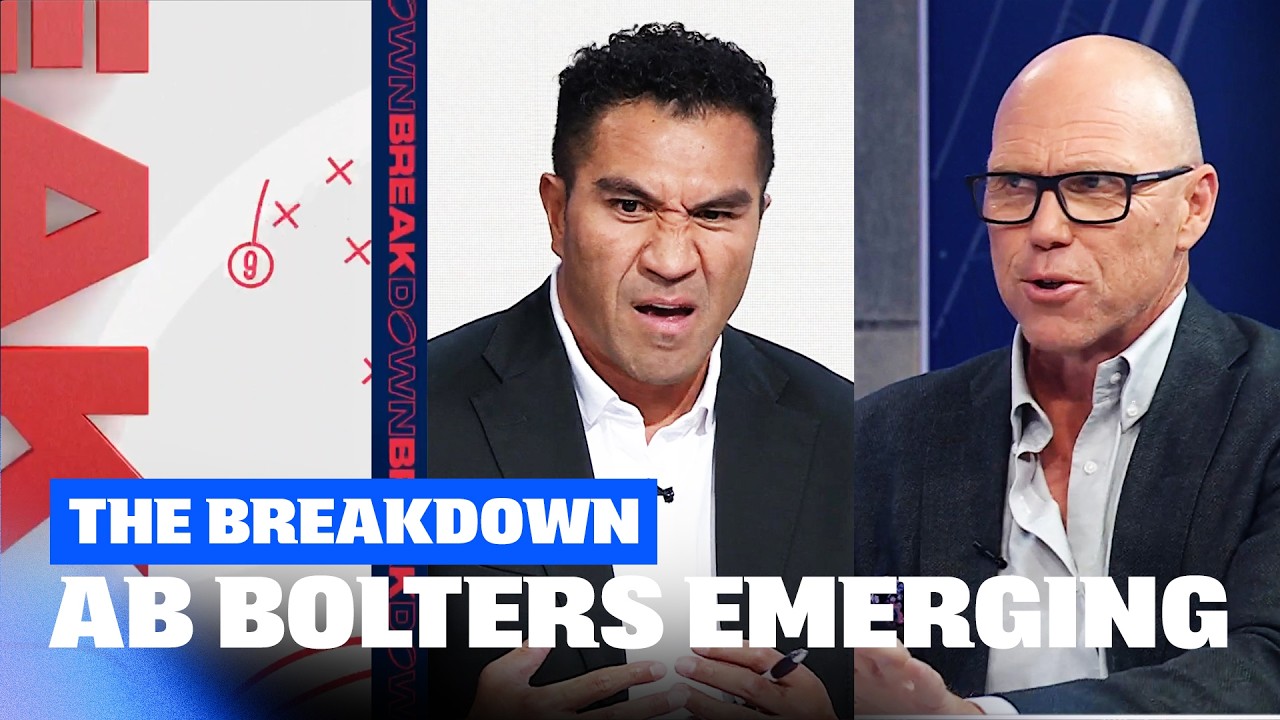
On Sky's The Breakdown, Jeff Wilson, Mils Muliaina and Stephen Donald immediately read those comments as a signal that the All Blacks' personality is about to change. Wilson saw a direct ripple through to selection — and the man best equipped to drive the new shape.
"I think run first, kick second mentality when the ball is kicked to you, unless there is a clear opportunity with a kicking game to get a clear advantage," Wilson said. "I think Damian McKenzie is the player that he's talking about and focusing on where his role might be with the All Blacks."
Stephen Donald argued Rennie's repeated use of the word optimism — paired with the work-rate emphasis and the explicit reference to how few All Black tries had come from counter-attack last year — telegraphed a different brand of football than New Zealand has produced in recent seasons. Muliaina indicated the requirement would be most visible in the back three: wingers expected to chase kicks, recover, sprint infield and then turn around as the first option in a counter-attack, not the last.
There is one obvious knock-on effect. Rennie's brief was clear that flashy individual moments do not move him — Donald even suggested the new coach was deliberately distancing himself from the players the commentators tend to lionise. Repeatability and conditioning trump highlight reels, and that pushes high-engine players — Ruben Love, Will Jordan, a fit-again Rieko Ioane — into the conversation alongside the marquee names.
Rennie would not be drawn on individuals. But his framework is now in print. The next two weeks of Super Rugby Pacific will tell which of the 34 already on his list survive — and which players play their way in.