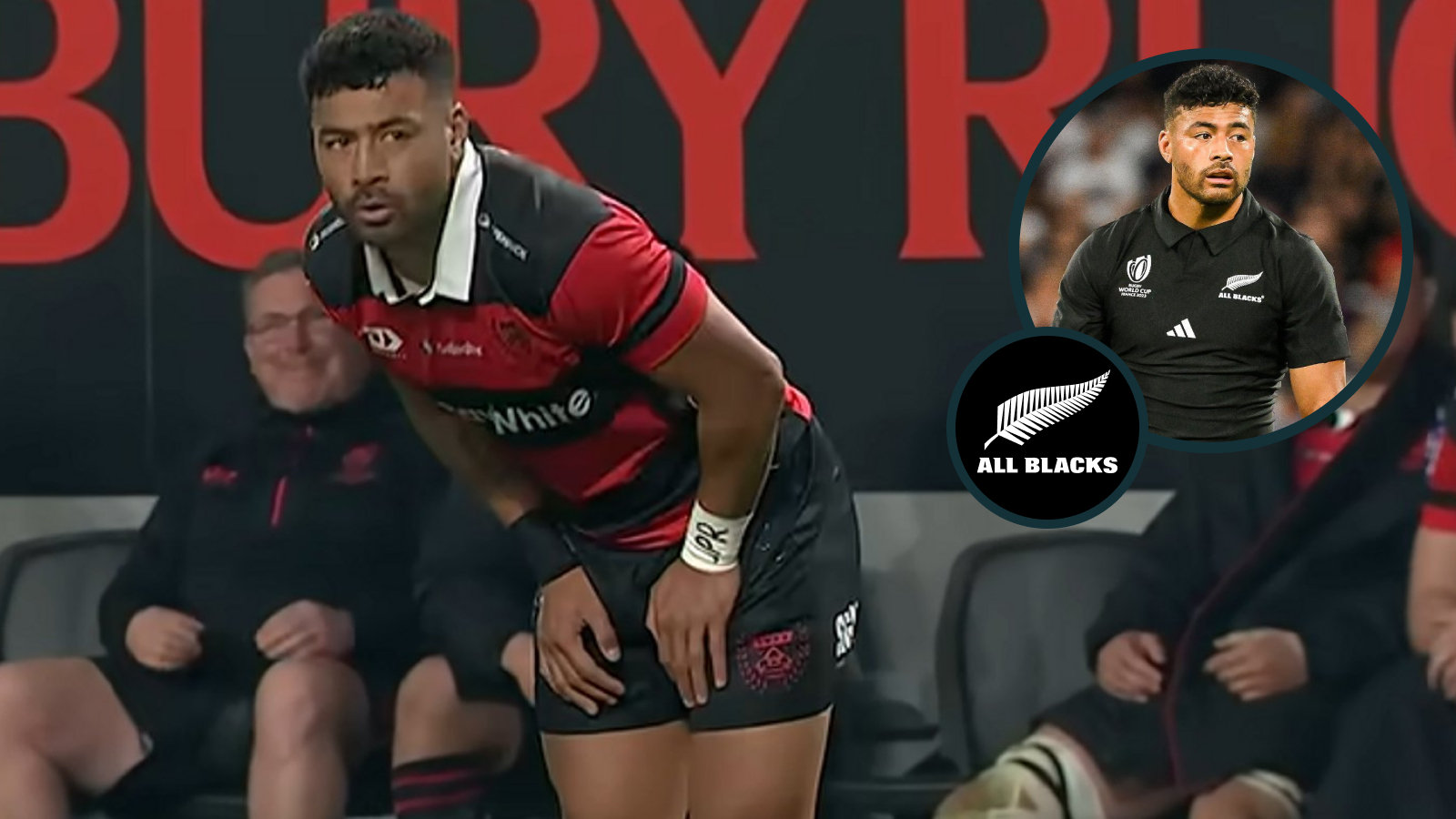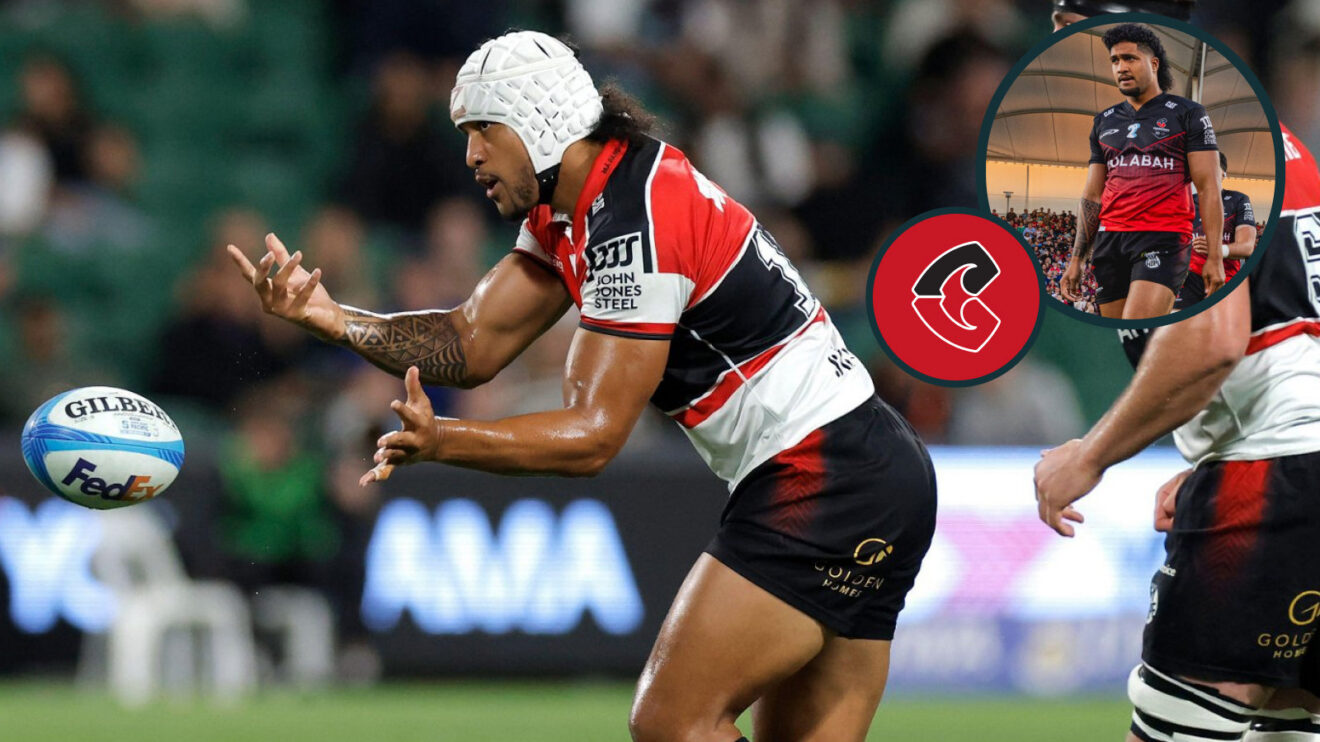
The Crusaders' 36-20 dismissal of the Blues at One NZ Stadium did more than tighten their grip on a home Super Rugby Pacific quarter-final. According to YouTube analyst Wildkard, it confirmed that Leicester Fainga'anuku's experimental shift from outside back to openside flanker is paying off, week by week, in a way no Australian franchise can currently replicate.
"This is something I'm starting to notice, and it speaks true to not just the Crusaders, but to pretty much all the Kiwi teams — the team builds throughout the season," Wildkard said in his post-match review. "That is not something that can be said for any of the Australian teams, except for the Western Force."
His central case study was Fainga'anuku at seven. The reconversion drew scepticism when it was first floated — "first couple of times when he did this was like, not convinced. He's a back, he's not a forward" — but Wildkard now sees a player adding a new tool every Saturday. "Every week Fainga'anuku is bringing in something new that he's worked throughout the week to improve as a player, to add something to the team," he said. "Brilliant for the Crusaders."

The chip kick that set up Quinten Strange's first-half try at Te Kaha was, in Wildkard's reading, the latest layer. "He saw the rush defence coming at him. He saw a bunch of forwards who were quite slow at turning around and chasing the ball. Put in a chip behind. Next thing you know, the Crusaders are scoring." Wildkard also pointed to a kick later in the half that sent Sevu Reece down the touchline for try number five, calling the play "a very French style of play, straight out of the French national team — it was Antoine Dupont".
The contrast he drew with Australian sides was uncompromising. He singled out the Waratahs as a team that has stood still — "what has Suaalii improved this year? Name one thing. Nothing" — while accusing Brumbies and Reds coaches of "cutting out all those little bits and pieces that the players were exploring at the beginning of the season to tighten the game up". The result, he argued, is a generation of Australian playmakers who have been coached into "kicking the ball away constantly" because the spreadsheet says so.
The Crusaders' second talking point was uglier. With the visitors trailing 31-20, Blues fullback Stephen Perofeta was upended in a tackle and landed on his head; the on-field yellow card was upgraded to red by the bunker review. Wildkard wanted the decision made on the field. "I thought this should have been a red immediately from the referee on the field," he said. "I mean, I understand you want to speed the game up, but this should have been like straight off red. Not just a 20-minute red — I think this should be a straight send-off. Because it's so dangerous. Perofeta could have, like, broken his neck."
Even with the Blues a man up briefly — the Crusaders received a yellow card of their own for cynical play — Wildkard saw the home side dominate. "The Crusaders, while it was down to 13 players, definitely had the upper hand over the Blues. They controlled the clock. They conceded the try right away and then actually scored for themselves. They understood that holding onto the ball is actually better than kicking the ball away."
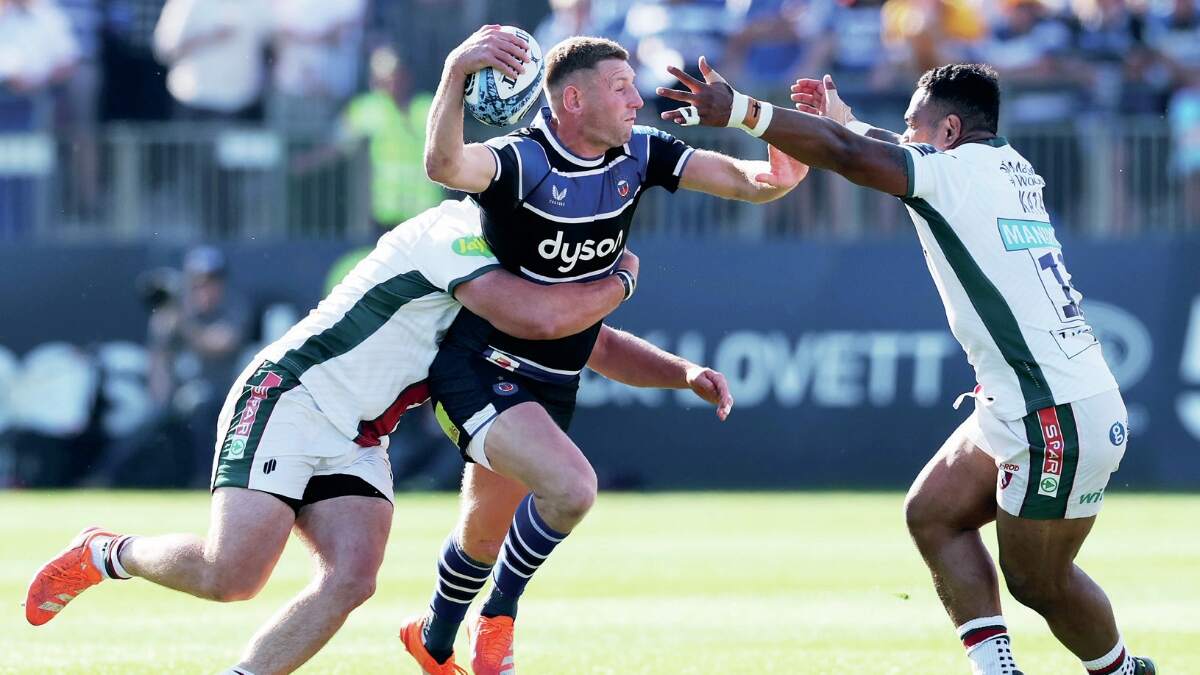
George Bower's opening try in his 100th cap, Rivez Reihana cutting through a rushing defensive line for the second-half opener, and Tom Christie celebrating with another late maul-driven score rounded out a six-tries-to-three night. The match stats — 507 metres for the Crusaders, 941 kick metres, three lost lineouts in 21 throws — backed up Wildkard's verdict that the eventual margin understated the dominance.
For Fainga'anuku, who the Crusaders convinced to come home from Toulon last year, the trajectory is now upward at a position no one originally signed him to play. "I can only wish the Australian teams get a little bit of this long-term planning, the long-term development of individual players," Wildkard said. "It'll be something that I keep dreaming about, right?"