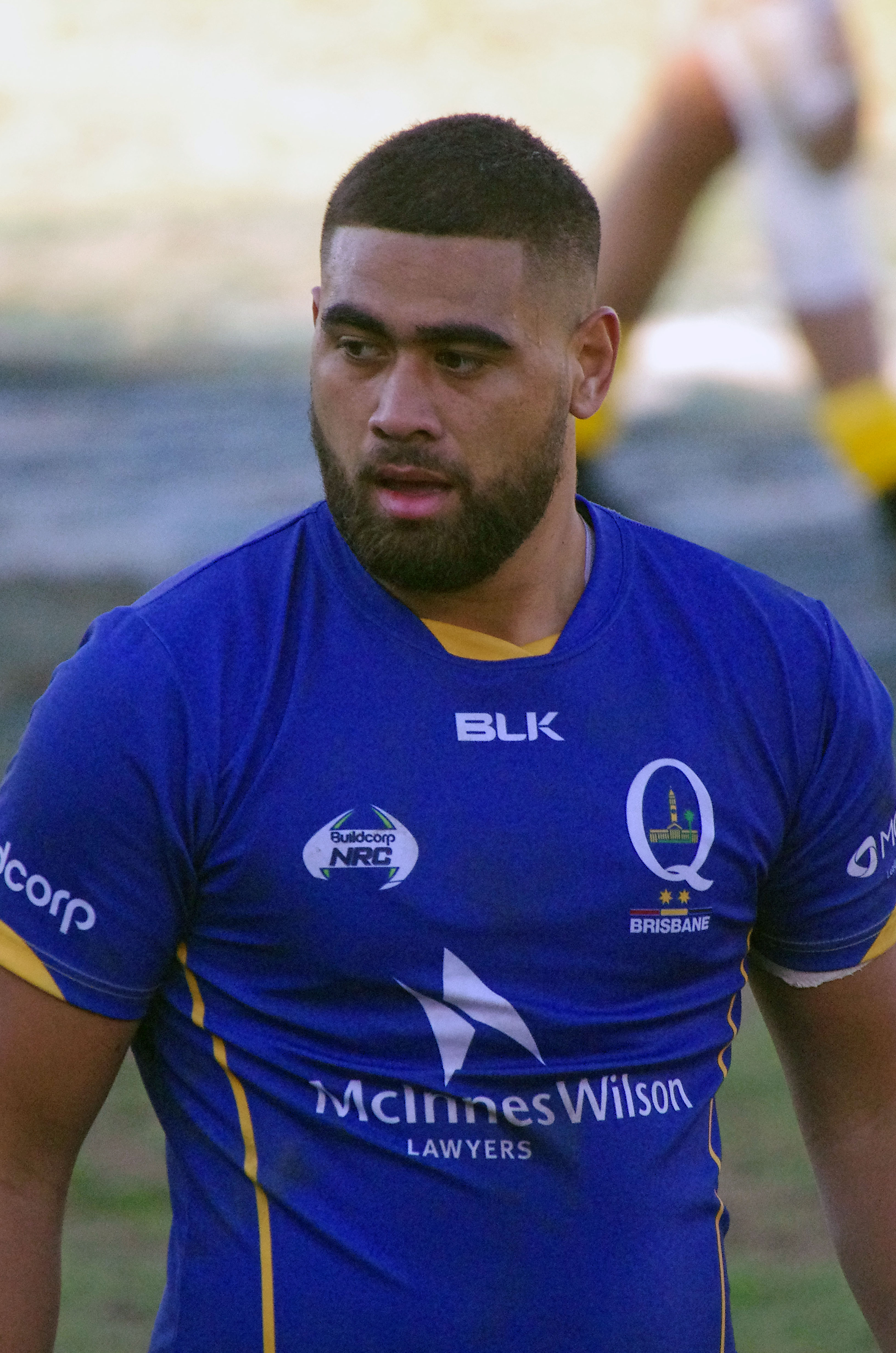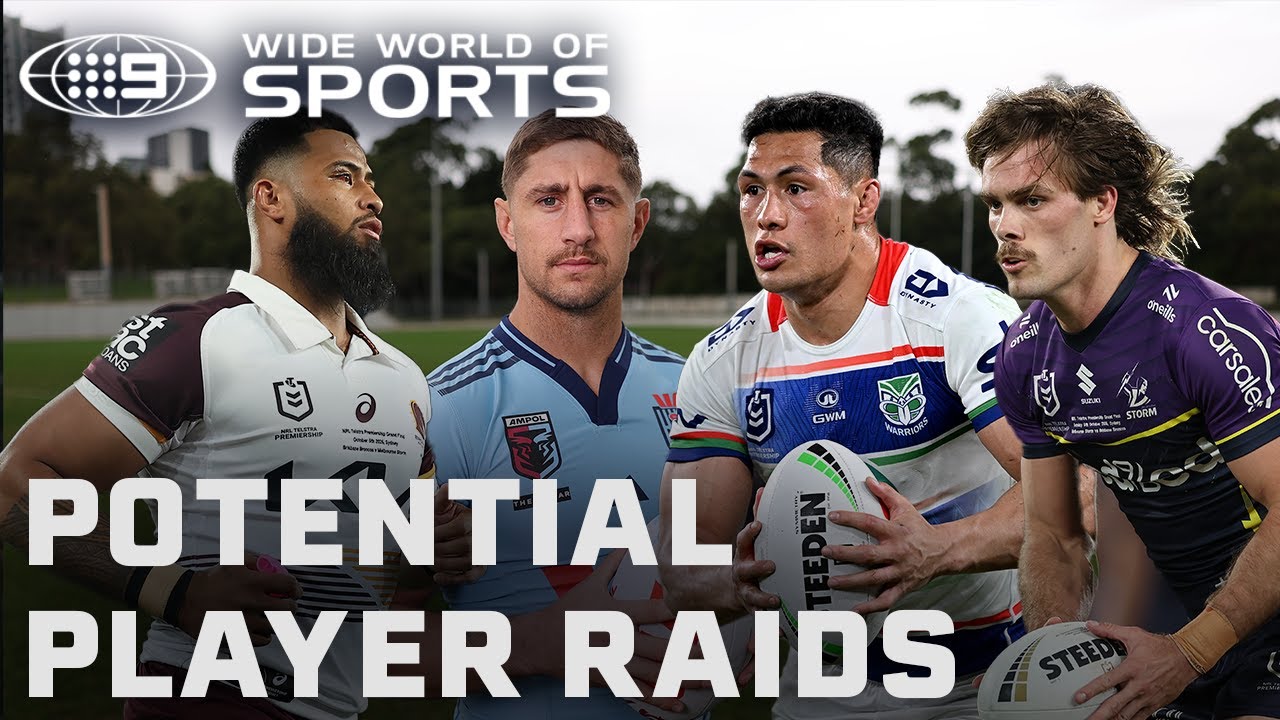
England fly-half Fin Smith has confirmed he rejected a lucrative approach from the proposed R360 breakaway league, choosing instead to commit his future to Northampton Saints and the England national team.
The 23-year-old, who wore the No 10 shirt through this year's Six Nations and toured Australia with the British and Irish Lions, had been one of R360's priority targets. His Saints contract was set to expire this summer, and R360 is offering top players contracts worth close to £800,000 a season.
Smith said the decision did not take long.
"I think there will be players at a different stage of their career for who that (R360) will make a lot of sense," he told reporters after re-signing on a multi-year deal at Franklin's Gardens. "Going to play less matches for a hefty sum of money is, I'm sure, a pretty attractive proposition. I can understand that. For me, it was something at this moment in time I didn't consider too much."
The priority was simpler than the numbers suggested.
"My priority was to stay in England, give myself the chance to play for my country and hopefully go to a World Cup," Smith said.
That calculation has been sharpened by the Rugby Football Union and the sport's other major unions, which this week issued a joint statement warning that players who sign for R360 will be barred from Test selection. For a 23-year-old fly-half with a Lions cap and England in transition under Steve Borthwick, a Test ban is not a trade that pencils out, even at £800,000 a year.
R360, fronted by 2003 World Cup winner Mike Tindall, has pushed back. In a letter to signed players, the organisers argued that international release is written into every R360 contract.
"If you're selected and want to play for your country, we will never stand in the way of that honour," the letter read. "That's why we have designed bespoke men's and women's schedules and international release is written into all your contracts."
The unions do not view it that way. Ireland, the RFU, World Rugby's other top-tier members and the NRL have each indicated players who sign with the breakaway will face selection bans, with the NRL's own sanction stretching to a decade. Late last year, R360 pushed its planned 2026 kick-off back to 2028 in the face of that multi-union resistance.
R360's response to the joint ban has been to insist its timeline is unchanged.
"What we're building together represents a seismic change for rugby, so it's unsurprising that initially there's a resistance from some quarters," the letter to players continued. "We believe passionately about the value R360 will bring players and fans around the world and we're more excited than ever about building the future our sport needs."
For Northampton, keeping Smith is both a financial coup and a symbolic one. Smith, Tommy Freeman, Alex Mitchell and Henry Pollock are all set to line up against Leicester this weekend as the Saints' Lions contingent returns to Premiership duty. For Borthwick, Smith's re-signing protects one of the most coveted young No 10s in world rugby for the 2027 World Cup cycle, at a time when George Ford is in form at Sale, Marcus Smith is still in the mix and Owen Farrell is back from his Paris sabbatical.
The R360 spend will lure others. Four Springboks have already signed. Pacific Islander league players have been approached. The money is real. But Smith's answer suggests the most valuable currency in rugby union, for now, is still a white shirt.