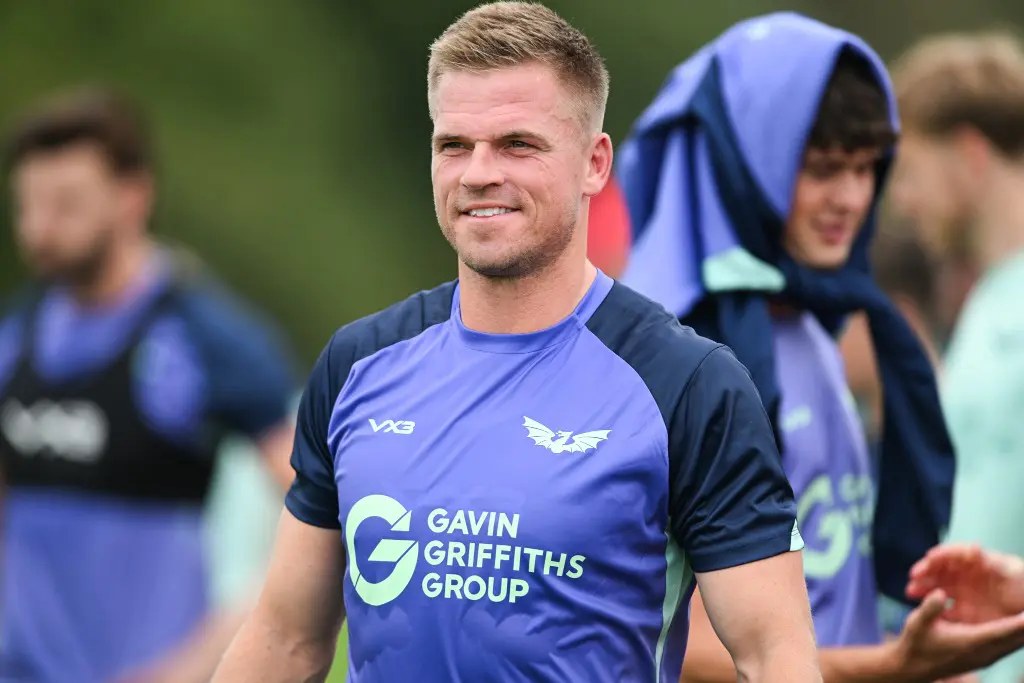
Wallabies head coach Joe Schmidt has given his most detailed preview yet of Australia's July 4 Test against Ireland in Sydney, using a Rugby Heaven interview to describe Andy Farrell's side as a team that finished the 2026 Six Nations on a near-unplayable upswing — and to frame the tactical shift the Wallabies will need to handle it.
Schmidt, who coached Ireland for six years and knows the program intimately, refused to understate the challenge even as his focus remained on his current players' ongoing Super Rugby Pacific campaign.
"I think the players are really keen for that as well," Schmidt said. "Albeit they they short-term focus at the moment and looking to do the best for their super clubs. I'm massively looking forward to it."

His read on Ireland's form coming out of the championship was pointed and specific. He used the closing rounds of the Six Nations as the benchmark for the level the Wallabies would have to reach.
"They finished the Six Nations on a real upswing," Schmidt said. "They had a third of the time in the 22 that Scotland had and beat them by twice as many points. They are lethal attacking-wise, and they were belligerent defensively. And so we know the level that they can get to."
Schmidt also noted the broader trajectory of Ireland's Six Nations. Farrell's group started slowly before hitting form across the back half of the championship, exactly the kind of campaign arc that tends to translate into July danger for a home side still finding rhythm.
Atmosphere, he said, will matter. Schmidt remembers what the Allianz Stadium felt like during Australia's last Test window in Sydney and asked publicly for a repeat.
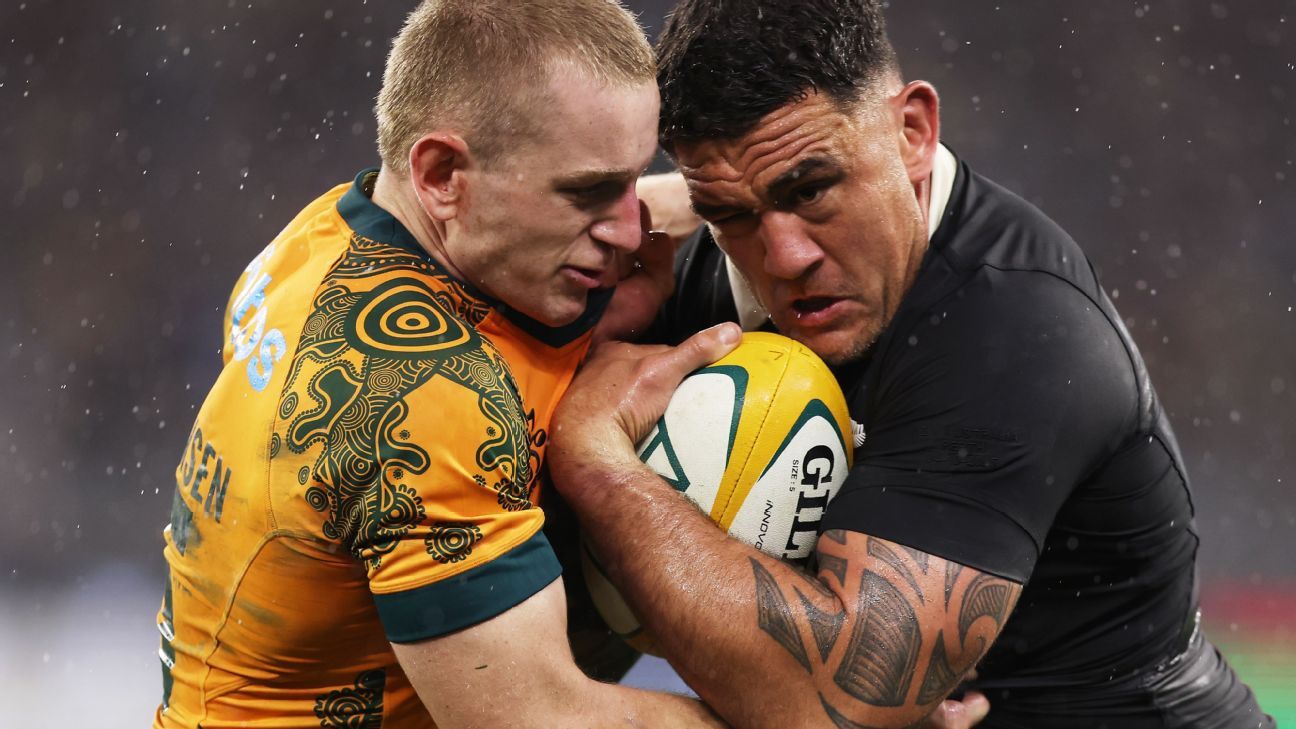
"I'd love to get a similar sort of Allianz Stadium that we had last time we were here. They were incredible scenes, weren't they? Wonderful atmosphere. It was just bubbling. And we'd love that to happen again. Full stadium. And it does lift the players, definitely."
The technical portion of the conversation was arguably the most illuminating. Schmidt was asked whether the 2026 Six Nations had quietly shifted away from aerial kicking attrition toward high-execution, phase-based rugby. His answer split the question in two.
"Yeah, I think that was part of it, definitely good, but I think the other part of it was on the back of those kick battles — it's who goes quick from those. And if you get something from a kick going forward, how quickly you can move that or punch through that. You only have to look at that France-England game. A lot of those tries, both sides of the ball, were scored off kicks through rather than kicks over. And those kicks through — they're pretty exceptional guys collecting them like Beauden Barrett. But they accounted for at least four or five of those tries in that game. So the kicking game is still really important."
He was equally struck by the sheer work capacity on display in the Ireland-Scotland fixture.

"The execution — the number of phases in that Ireland-Scotland game was huge. You know, up to 17, 18, 19 phases at times with that number of possessions, it's hard to defend for that long. So some of it was attritional and some of it was artistic almost, where particularly with some of those really good athletes finishing tries."
The July 4 Test at Allianz Stadium is the first of a three-match window that will close Schmidt's tenure as Wallabies head coach. Italy and France follow, with incoming head coach Les Kiss set to take over the programme thereafter. For Schmidt, the preparation window between now and then is short, but his public read on Ireland has at least clarified what the Wallabies are being measured against: a team that can go 19 phases, attack through kicks rather than simply over them, and defend "belligerently" whenever the counter flows the other way.
Schmidt's challenge to his squad, encoded in the interview, is straightforward: Super Rugby Pacific form first, then a step up to meet an Ireland side he considers to be playing on a different plane to the team he was once in charge of. If the Wallabies can produce a Sydney atmosphere to match the occasion, the July opener could be the most compelling Test of the southern hemisphere's winter.