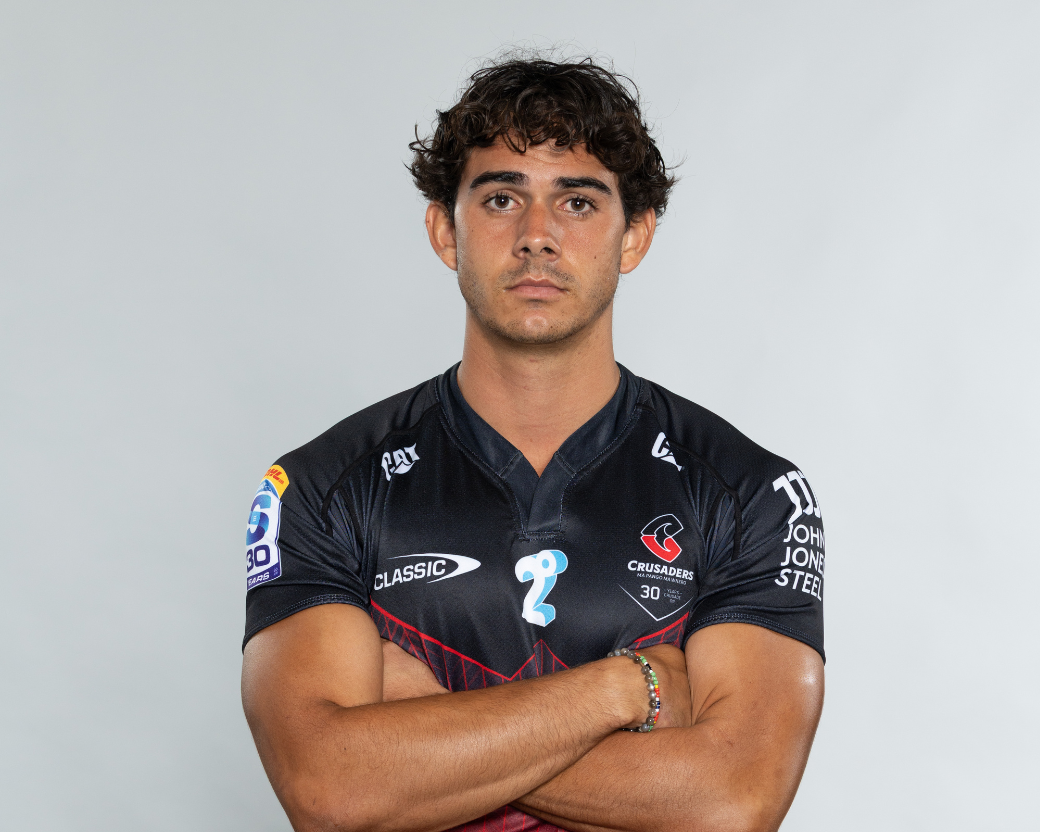
The curtain is coming down on Moana Pasifika's Super Rugby experiment. The Auckland-based Pacific franchise confirmed in mid-April it will not be part of the competition beyond the 2026 season, ending a five-year project that had finally given Samoa, Tonga and Fiji-eligible players a genuine home in the professional game.
The decision, announced on 14 April and reported by ESPN, the ABC and RugbyPass, has been described inside New Zealand Rugby as the most damaging moment of the 2026 calendar. Moana Pasifika joined Super Rugby in 2022 alongside Fijian Drua as part of the competition's post-pandemic restructure. Their presence transformed the tournament's identity: a Pacific franchise playing full-strength Super Rugby, filling Mt Smart Stadium, and providing a direct pathway that had been missing for generations.
That pathway is now cut. ESPN reported the franchise failed to secure the funding runway it needed to guarantee operations beyond this year, with the New Zealand Rugby Players Association and SANZAAR unable to bridge the gap left by departing sponsors and a softer broadcast market. The ABC added that contract negotiations with leading players — including All Blacks captain Ardie Savea — had already stalled well before the formal announcement.

Savea, who joined Moana Pasifika in 2024 in a landmark move, is now expected to return to his former franchise the Hurricanes. Hurricanes head coach Clark Laidlaw said publicly that any discussion of Savea's return was "too soon" in the immediate aftermath of the Moana news, with the All Blacks captain still processing the decision.
The losses go well beyond Savea. Moana Pasifika's current roster has become one of the most exciting in the competition. Back-rower Samiuela Moli has carried relentlessly through the 2026 round-robin, Miracle Faiilagi has emerged as a breakout loose forward, and veteran lock Tom Savage has brought an elder-statesman steadiness. The front five have produced some of the best scrum footage of the season. All of those careers now face an uncertain middle passage.
The reaction from within the sport has been vocal. Planet Rugby reported an ex-All Black's "desperate plea" to rugby's investors, warning that losing Moana Pasifika would set Pacific rugby back a decade and push more players towards early retirement or the French second division. The Sydney Morning Herald described the moment, bluntly, as the grim reaper stalking rugby again, with three unions inside three years now having mothballed professional franchises — Cardiff in Wales, the Rebels in Australia, and now Moana Pasifika.
World Rugby has long talked about the Pacific as the sport's most important long-term growth project. The 2031 and 2035 World Cup cycles will include fixtures in Samoa, Tonga and Fiji. Yet without a weekly Super Rugby platform, the development ladder between club rugby and test rugby in the Pacific collapses back to what it was a decade ago.
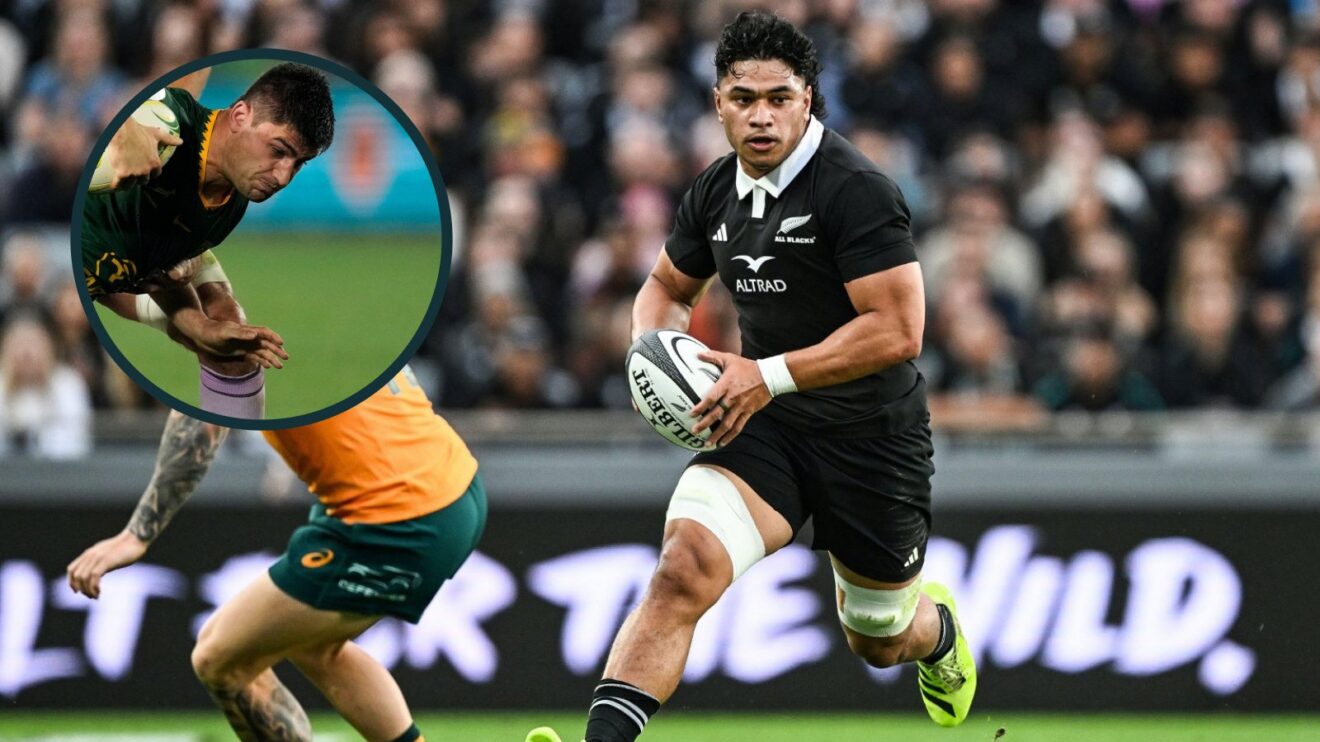
New Zealand Rugby has said it will work with World Rugby to "explore alternative competition structures" for Pacific-eligible players beyond 2026. That language will need to turn into something tangible — and fast. The 2027 Rugby World Cup is now 18 months away. Samoa, Tonga and Fiji have already shown what they can do with better resourcing. Moana Pasifika's closure is a body blow to that momentum, and rugby's most strategically important region is now the one paying for it.