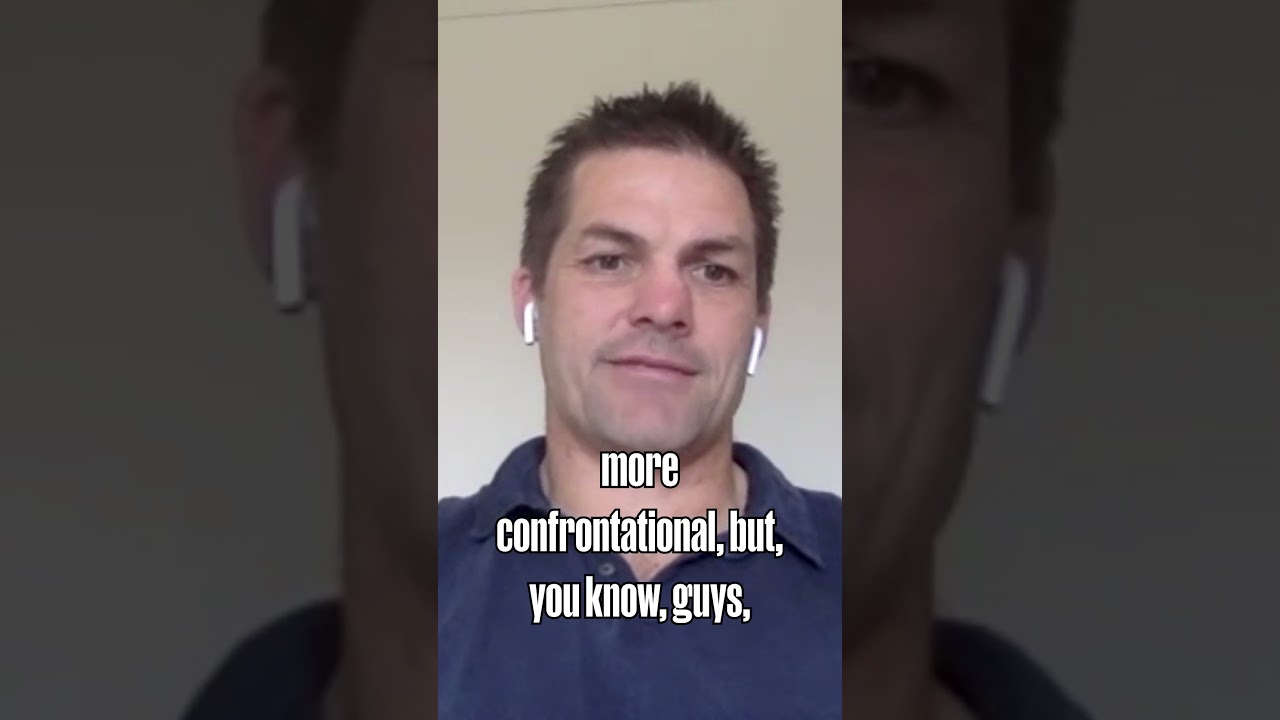
Few players on earth have spent as many minutes sizing up an opposition back row as Richie McCaw. And when the most-capped All Blacks captain of all time reflects on the Wallabies flankers he faced, three names stand out — George Smith, Phil Waugh and David Pocock.
Speaking to All Blacks TV, McCaw moved through the trio in sequence, each reflection underlining a different problem those Australian openside forwards posed for New Zealand's most successful leader.
On George Smith, McCaw's memory stretched back to the first time he ever faced him — a match that clearly left a lasting impression.
"A guy like a George Smith, I first played I think it was under 19s, and I remember after the game, man, that guy knows what he's doing," McCaw said. "Then I think it was that next year he was playing for the Brumbies, and then played against the Lions a year later. He was a smart footballer."
McCaw's tone when describing Smith was one of professional respect — the kind reserved for an opponent who rarely gave you anything for free.
Phil Waugh, Smith's great Wallabies rival, was a different proposition. Where Smith was cerebral, Waugh was abrasive — and McCaw said the challenge Waugh posed was about physical disruption rather than intellectual cunning.
"Then there was Phil Waugh, who was a slightly different player, a bit more confrontational," McCaw said. "But again, you knew what you were going to get there. He'd get in there and disrupt it, so you'd be pretty aware of him."
The praise was genuine, but so was the distinction. McCaw had to be ready for Waugh's physicality, but the threat was predictable. With the third name on the list, however, the All Blacks had to invent solutions.
David Pocock, McCaw said, was in a class of his own on the ground — and stopping him became a specific, time-consuming part of All Blacks preparation.
"Then the latter years, David Pocock, he was the best. Has been — probably still has been — able to contest the ball on the ground," McCaw said. "If you gave him even just a split second to get in there, it was almost impossible to move. We did spend a bit of time about how you limit his ability."
That last sentence is telling. McCaw is effectively confirming what coaches and pundits have long suspected: Pocock, at his peak, forced the All Blacks to tailor training plans around a single breakdown specialist — something rarely said of any opponent by McCaw, let alone a Wallaby.
The common thread between the three is what McCaw calls awareness. Each of Smith, Waugh and Pocock forced the All Blacks to know exactly where they were in every phase, because ignoring any of them cost turnovers, penalties and momentum. That is a compliment every flanker in the world would happily accept.
For Australian rugby, which is currently trying to rebuild its Wallabies back row ahead of the 2027 World Cup on home soil, McCaw's tribute is a reminder of what the national team's breakaway tradition once meant — and what it needs to become again if the Wallabies are to trouble New Zealand, Ireland and South Africa at the next World Cup.
For now, McCaw's verdict lands as oral history from a man who faced them all. And on the evidence of his own words, Pocock's jackal remains the single Australian skill that most bent the All Blacks' game plan out of shape.