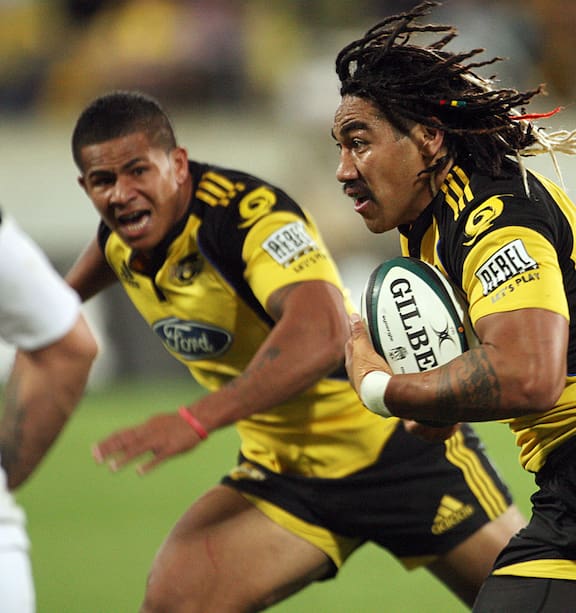
Super Rugby's attempt to tighten the policing of head contact has run into the same problem every union contact code has faced this decade — the sanction that is supposed to protect players is only useful if it is applied consistently, and in the last fortnight the competition's officials have produced two decisions that almost no one can reconcile.
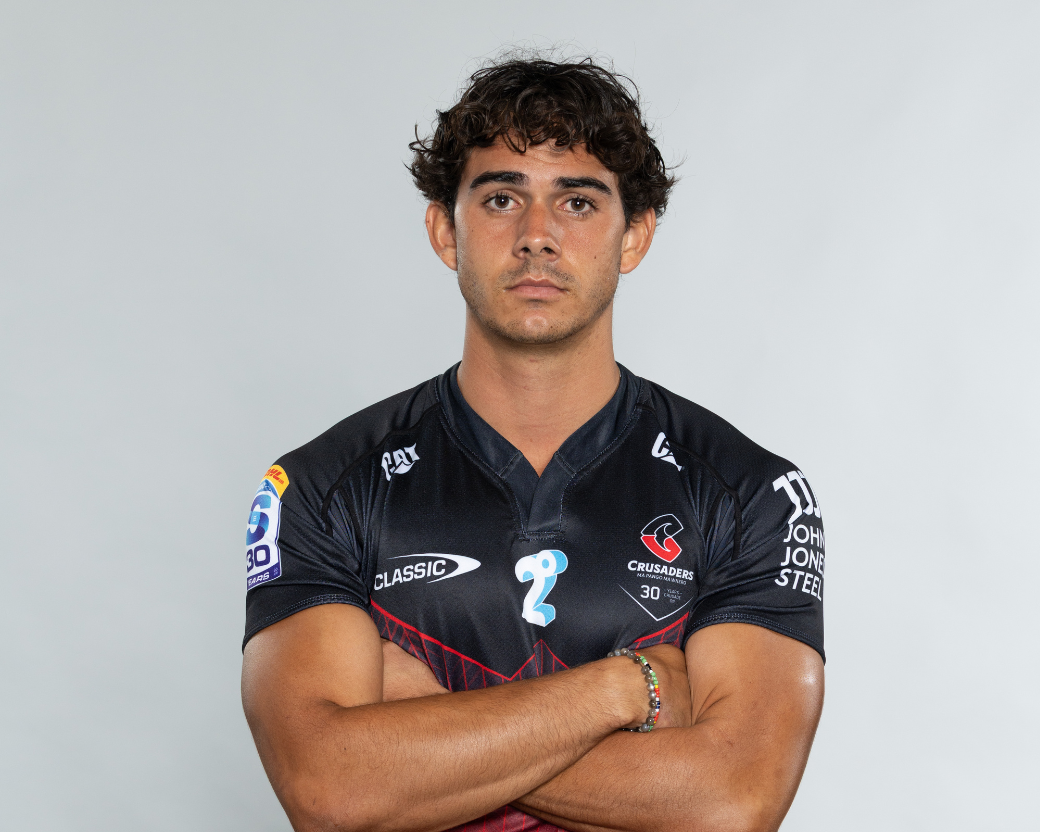
The clearest of them came on Friday night in Auckland. The Dunedin-based Highlanders were in the middle of a late comeback against the Blues when their influential winger Caleb Tangitau was knocked out in a tackle by Blues full-back Zarn Sullivan. The contact was the textbook version of what the head-high framework is supposed to penalise: Sullivan's shoulder made direct contact with Tangitau's head, Tangitau went down unable to continue, and the Highlanders lost a player whose ball-carrying was the axis of their rally.
After a television match official review, Sullivan was shown a yellow card. The referee ruled that mitigation applied because Tangitau had been falling forward when the contact occurred. The Blues held on to win 47-40.
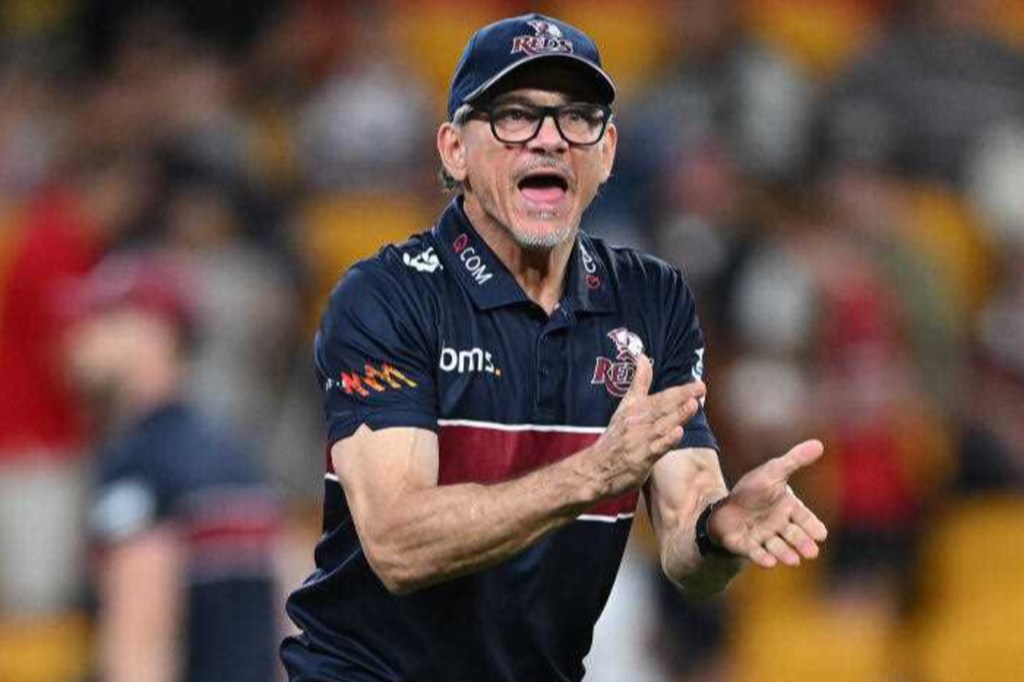
Highlanders head coach Jamie Joseph did not accept the verdict.
"Moments like that really count," Joseph said after the match. "We get a guy knocked out so what's a red card? If that's not a red card what is?"
That is the question the framework is supposed to answer. Since World Rugby moved to treat any head contact as presumptively dangerous, the burden has shifted to mitigation — whether the tackler changed height, whether the ball-carrier suddenly dropped, whether the contact was unavoidable. Those assessments have given referees a set of levers. They have also given them, in Joseph's eyes, the opportunity to route around an outcome the law was written to cover.
The numbers tell the same story more coldly. Only 16 players were sent off in the first eight Rugby World Cups combined. Since the tightened framework arrived, 16 more have been shown red in the last two World Cups alone.
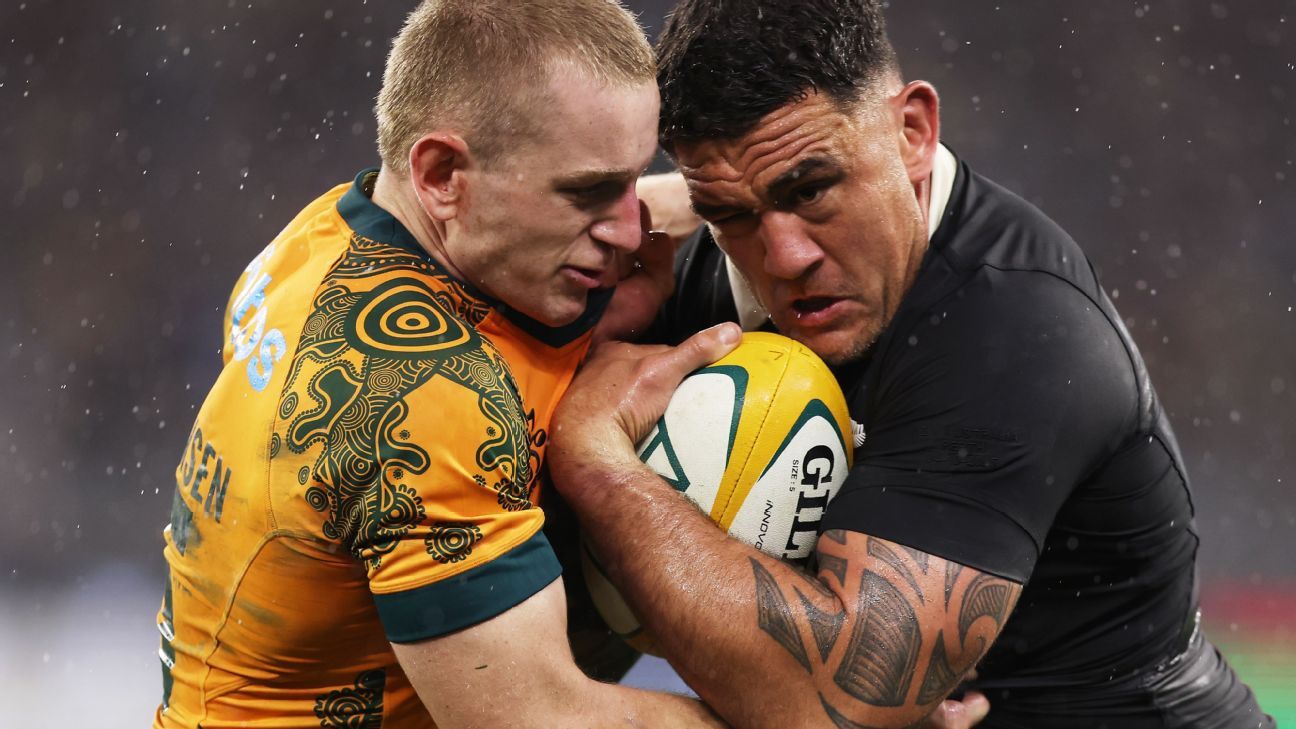
The Highlanders' frustration is heavier because the week before the Tangitau knockout, the same team lost hooker Henry Bell to a yellow card in a defeat against the Brumbies. Bell was attempting to tackle Brumbies lock Nick Frost when head-on-head contact occurred. Replays suggested that Frost, not Bell, initiated the head contact. The sanction went against Bell regardless.
Referee Ben O'Keefe's logic was transparent. "It's head-on-head, we have a degree of danger that meets the yellow threshold so it's going to be a yellow card," he said at the time. The framework told him that head contact crossed a line, and the mitigation available — that Frost's movement was the cause — was not enough to keep Bell on the pitch.
It is the inverse of the Tangitau decision. In one case the law stretched to grant mitigation in the presence of a knockout. In the other it did not stretch at all, even when the carrier's movement seemed to have caused the contact. Two matches, two outcomes, and one head coach without a coherent answer.
World Rugby will point out — not wrongly — that the framework has reduced severe head-injury outcomes across the elite game, and that lawyers tidying up a welfare regime on the fly is not a zero-risk exercise. But the consistency problem has started to bite where the competition can least afford it. Super Rugby's 2026 season is already overshadowed by the forthcoming fold of Moana Pasifika, by a Wallabies programme rebuilding under a new coach, and by a television audience that is more price-sensitive than ever. Refereeing decisions that close the book on the result before the final whistle are the kind of stories the competition cannot absorb.
Joseph's bluntness is a symptom, not the disease. If the head-contact framework is going to keep producing knockouts that only earn a yellow, the conversation in the coach's chair is the conversation the sport's administrators will have to answer in public.