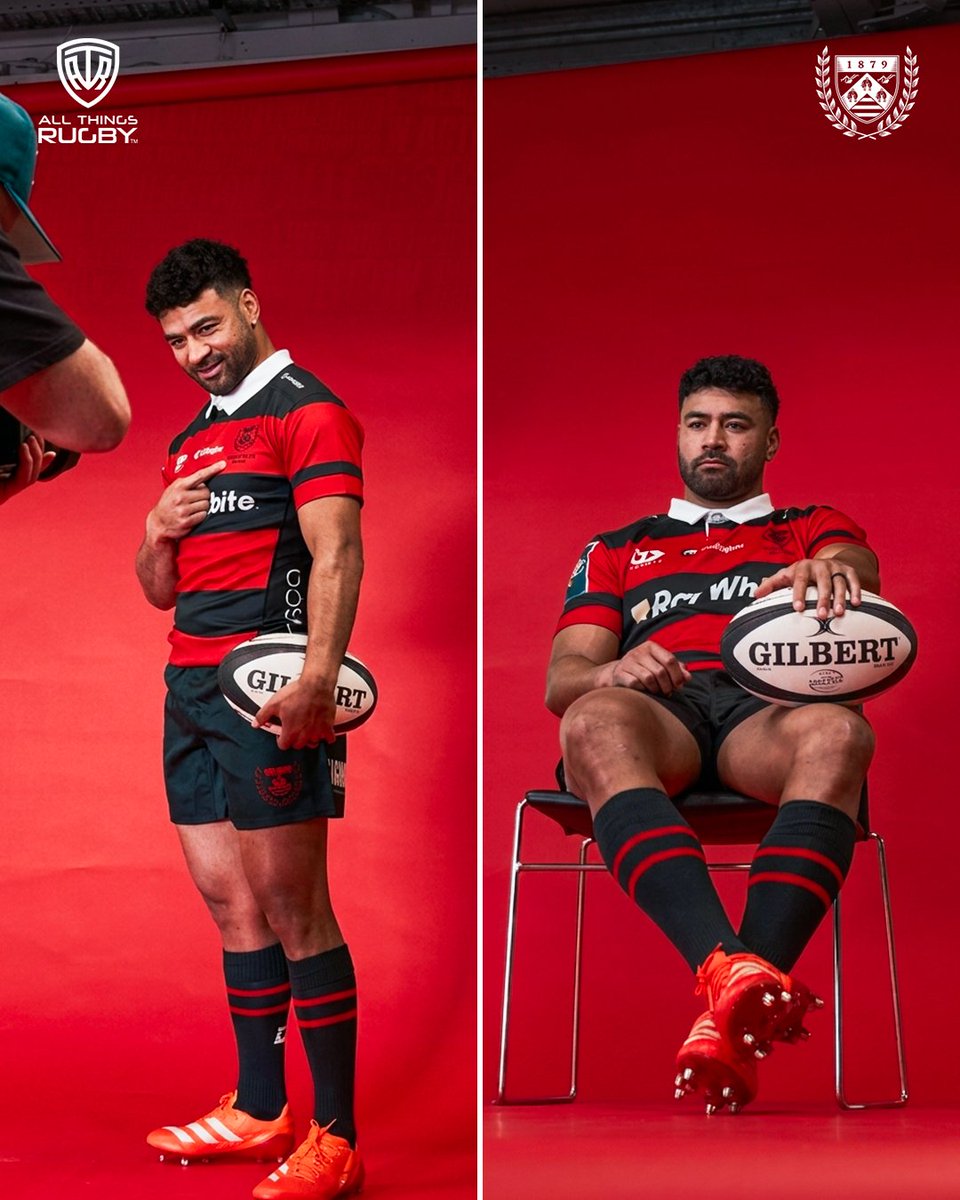
The collapse of Moana Pasifika sent a tremor through Tongan and Samoan rugby earlier this year, but Australian pundit Nick Wasiliev is pushing back on the idea that the door has closed on Pacific player development. In a follow-up to his earlier Moana Pasifika analysis, Wasiliev tackled a viewer question head-on: with the franchise gone, where do the next generation of male Tongan and Samoan players actually go?
Wasiliev's first point is that rugby remains so deeply embedded in both nations that he simply does not see male players walking away from the game. The pathway, however, will now sit almost entirely overseas. He suggests that a sizeable share of talent will continue to head to New Zealand, with smaller flows into Australia and the inevitable lure of money in France, Japan and England. Wasiliev is also blunt about the long-running drift to rugby league, citing the often-quoted 2014 statistic that roughly four out of five NRL players carry Pacific heritage.
The more interesting argument is what Wasiliev believes Pacific rugby actually lost when Moana Pasifika folded. He maintains that the franchise's biggest weakness was structural rather than on-field. The team, he says, never genuinely got on the ground in Samoa or Tonga, never built the local infrastructure that would have let Pasifika players develop in their home environment.

Wasiliev's preferred parallel is Fijian Drua, whose ascent he traces back to the now-defunct National Rugby Championship. He argues the NRC was crucial for the Fiji Rugby Union and the Drua because it gave the union a chance to learn the intricacies and challenges of running a professional sporting franchise on Fijian soil — even if it was only a two- or three-month annual competition. That experience, he says, eventually translated into a Super Rugby Pacific franchise that has consistently been more competitive than Moana Pasifika ever managed.
That is why Wasiliev is so closely watching the proposed inclusion of Samoan, Tongan and Fijian teams in a re-imagined Super Rugby AU. He believes that if the competition gets off the ground with the right financing and is allowed to bed in on Pacific home soil, it has the potential to do for Tonga and Samoa what the NRC did for Fiji. The aim, he argues, would be to build franchises that focus their entire energy on developing players from within the islands themselves rather than parachuting overseas-based stars in for short campaigns.
The loss of Moana Pasifika still hurts. Wasiliev does not pretend otherwise. With the franchise gone, the immediate set of professional opportunities available to Tongan and Samoan male players inside the New Zealand system has narrowed. But his bigger point is that those opportunities are not gone forever — they are being redirected.
If Super Rugby AU reaches the start line with Pacific representation, Wasiliev argues, the next decade could end up looking healthier for Tongan and Samoan rugby than the last. The conditional sits at the heart of his analysis. The Pacific game is now waiting on a competition that has not yet been confirmed, on a financing model that has not yet been signed off, and on administrators who have a long history of letting good ideas die in committee.

For Pacific rugby supporters, the message from Wasiliev is mixed but not bleak. The Moana Pasifika collapse has not ended the Pacific player pipeline — but it has shifted the burden of building one back onto unions and competition organisers who must now decide whether they really mean it.