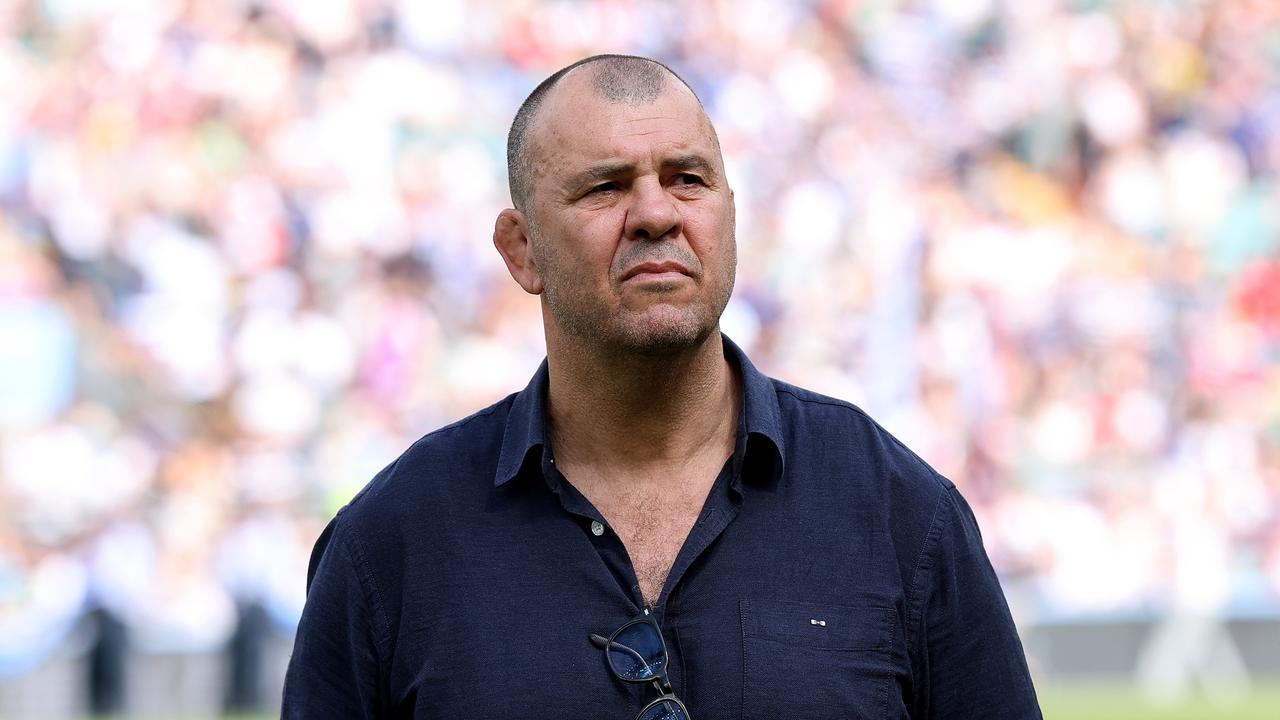
Australian rugby has lost one of its more unusual careers. Brian Smith, who played six Tests for the Wallabies in 1987 before switching allegiance to Ireland and later crossing to rugby league, died on Wednesday aged 59 after what Scots College principal Dr Ian PM Lambert described as a battle with "an aggressive cancer".
The tributes came first, and most personally, from the Wallabies camp in Townsville. Prop Angus Bell opened his press conference on Wednesday by naming Smith not as a coach or a schoolmaster but by his cap number.
"I just wanted to touch on the passing of Brian Smith, Wallabies [cap number] 659," Bell said.

Smith had coached Bell at GPS and New South Wales second-XV level when the now 54-Test prop was 16, and was most recently Head of Sport at Scots College in Sydney, where a long line of current internationals came through.
"He was coaching at the Scots school and coached a lot of us coming through the grades and I just wanted to say it's a really sad time," Bell said. "We're wishing the best for his wife and kids. He's an avid rugby person and helped a lot of individuals in the squad and in the Wallabies today, so just sending my condolences from both the Wallabies and myself."
Bell was blunt about the debt.
"Fair to say that I wouldn't have played as good or anywhere near as good without him," he said. "Me, Jeremy Williams and Will Harris from the [Western] Force were really close with him and he was a great bloke, a great father and a great coach. So, yeah, very sad."

Smith made his Wallabies debut under Alan Jones in 1987, partnering Nick Farr-Jones in the halves and scoring 18 points — a try, five conversions and a penalty — in a 65-18 win over South Korea. He played at that year's World Cup, then moved to the United Kingdom to study and went on to play nine Tests for Ireland, a switch that was contentious at the time.
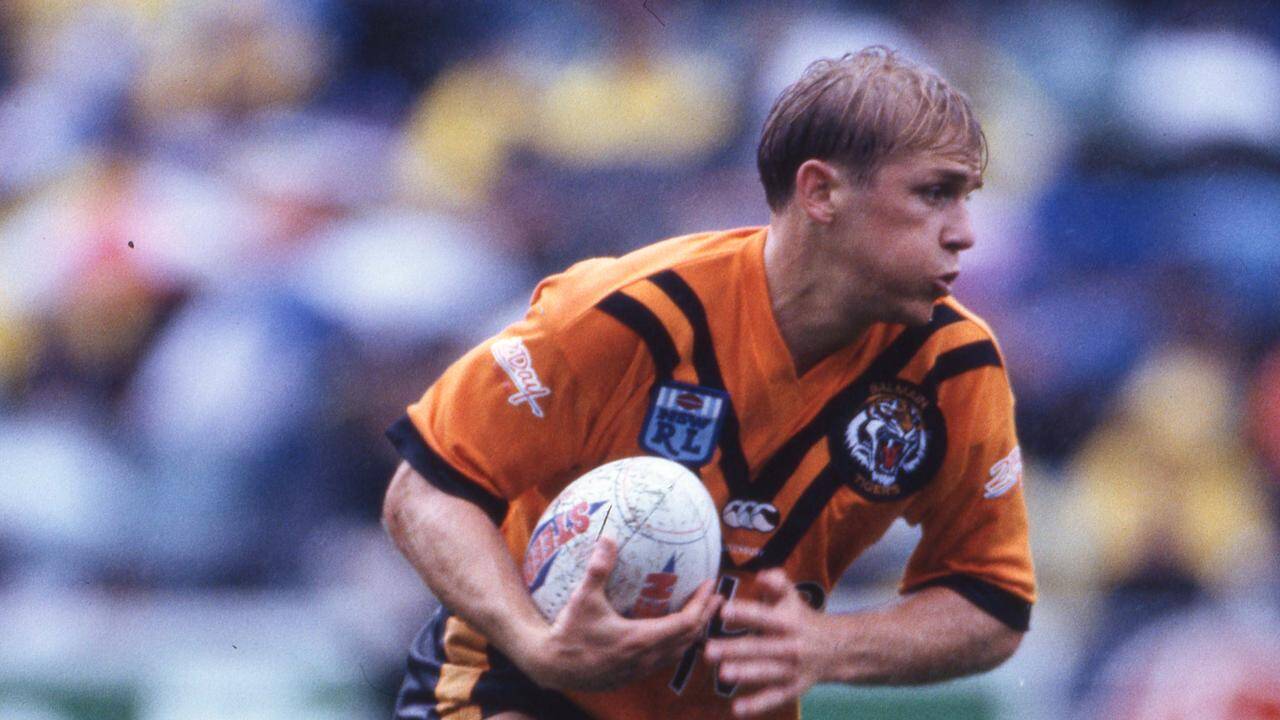
Returning to Australia in 1991, he was persuaded by Jones — by then coaching Balmain — to move to the 13-man game, and made 43 first-grade appearances for Balmain and Eastern Suburbs before retiring in 1994. Jones once described him as one of the world's most gifted players.
Former league forward Mark Geyer, who played alongside Smith at Balmain in 1993, told nine.com.au he had not known Smith was ill.
"We were about the same age — I didn't even know the poor guy was crook," Geyer said. "You couldn't find a nicer, more considerate person who cared for his teammates. And he had plenty of ability too — playing for the Wallabies and then switching codes and starring in league is not easy to do. He was a real talent and it is a tragedy."
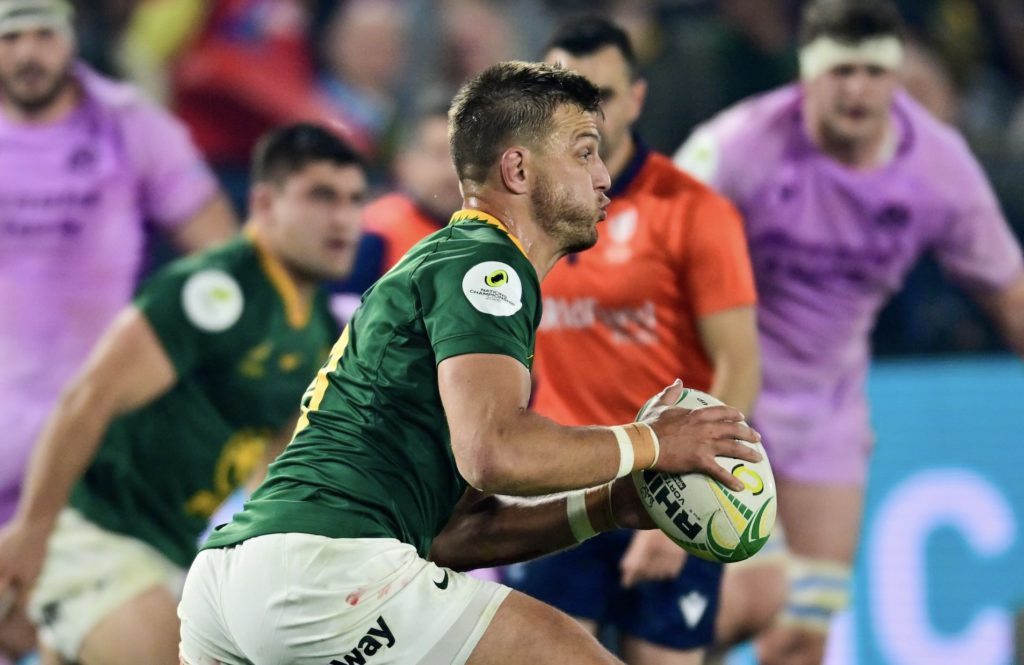
The coaching career that followed took him to Japan and England, where he was the national side's attack coach for the 2011 World Cup, and he also served as Australia's sevens coach before returning to the schools system that produced him.
Lambert's message to Scots College staff set out how quickly it had happened.
"Brian had been very unwell in recent months and was battling an aggressive cancer," Lambert wrote. "This is very sad news for our College community and I know it will come as a shock to many of you who knew and worked closely with him. Our immediate thoughts are with Brian's wife Lisa, his daughters Ruby and Santana, and his son Chilli."
Mat Collet, a former president of the Scots College Old Boys Union and the school's rugby committee, spoke to the second half of Smith's life rather than the first.
"I worked with him a lot over the years. He put his heart and soul into rugby at the College and the boys loved him," Collet said. "A loss to the rugby and the league community."
Smith is survived by his wife Lisa and their three children.