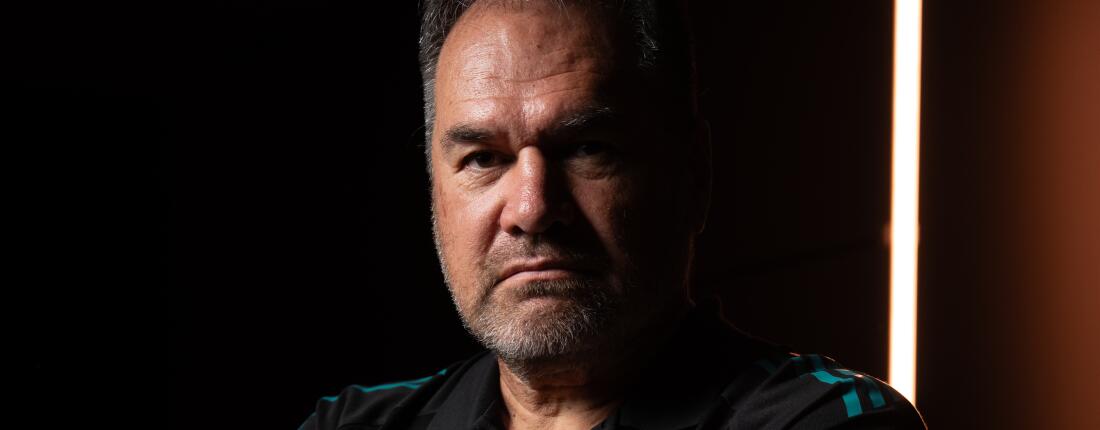
Former All Black centre and ex-Crusaders, Waratahs, Samoa and Fiji coach Daryl Gibson believes Dave Rennie will reset the All Blacks the only way they can be reset - by going back to the things New Zealand once invented rather than the things the world's other powers do better.
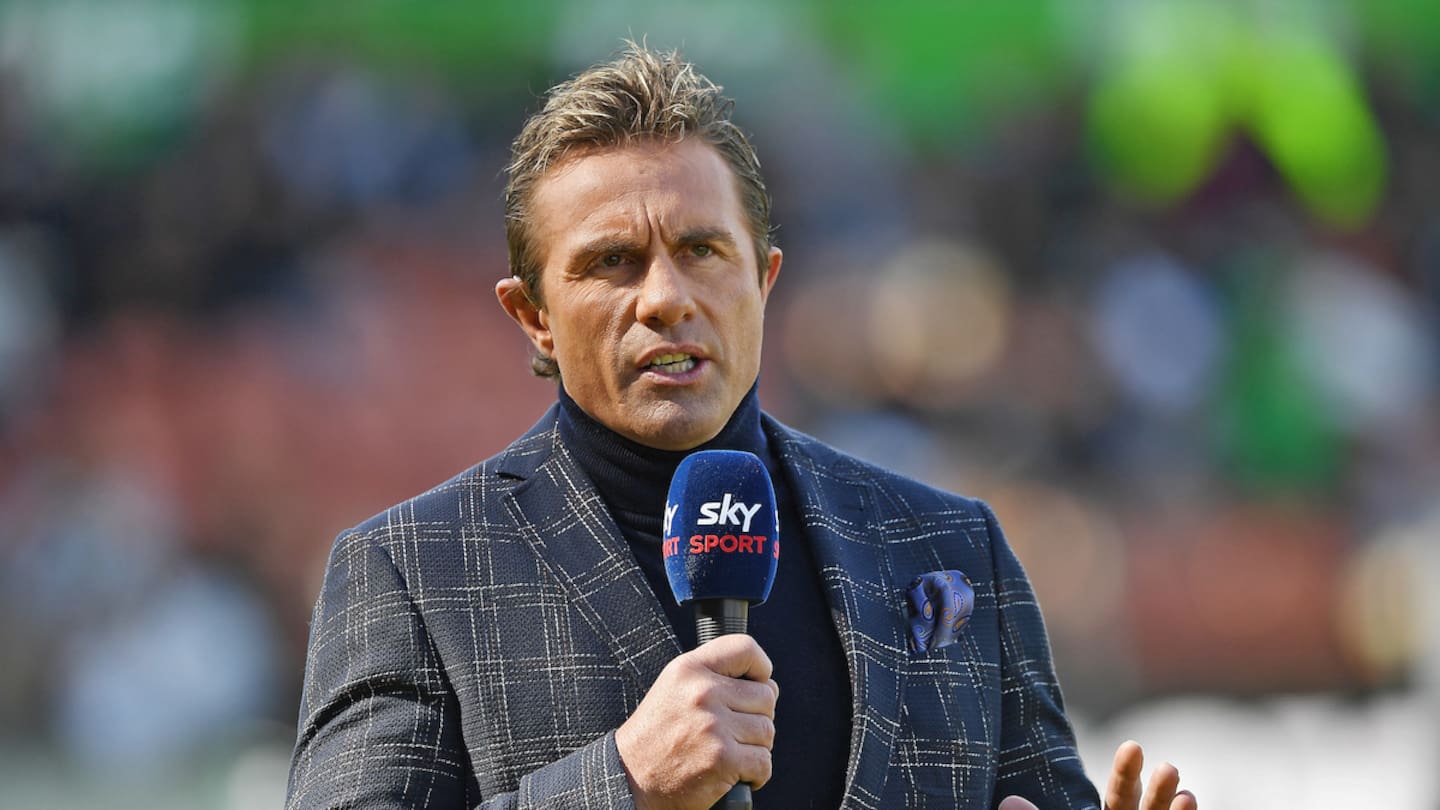
Speaking on the Develin Sports Podcast Network with host Martin Devlin, Gibson framed the next two seasons of All Blacks rugby as an identity question first and a personnel question second. The talent, he said, is here. The way it has been used has not.
"If I was to categorise sort of the All Blacks over the last two years, I felt we'd lost the innovation and creativeness that characterised the All Blacks," Gibson said. "We used to be great innovators of the game, instead of, at the moment, I felt we were copying other nations in the way they played, as opposed to going, 'No, actually, this is how we play as a nation.'"
That opening - what All Blacks rugby is supposed to look like - is, in Gibson's reading, the brief Rennie was hired for.
"I love watching France play. A part of me watches that and goes, 'Geez, that's how the All Blacks used to play.' And I'm looking forward to Dave and his coaching team taking over, because Dave was involved with the Chiefs and the style of play that he installed there. The style of play he installed in Australia around running rugby, seeing the opportunities. So I'm really looking forward to watching the All Blacks this year."
Gibson was unsentimental about where New Zealand currently sits relative to its great rival.
"The only team we can't really beat at the moment is South Africa consistently. So maybe we just haven't got the game plan correct against them, but against everyone else, we're very competitive."
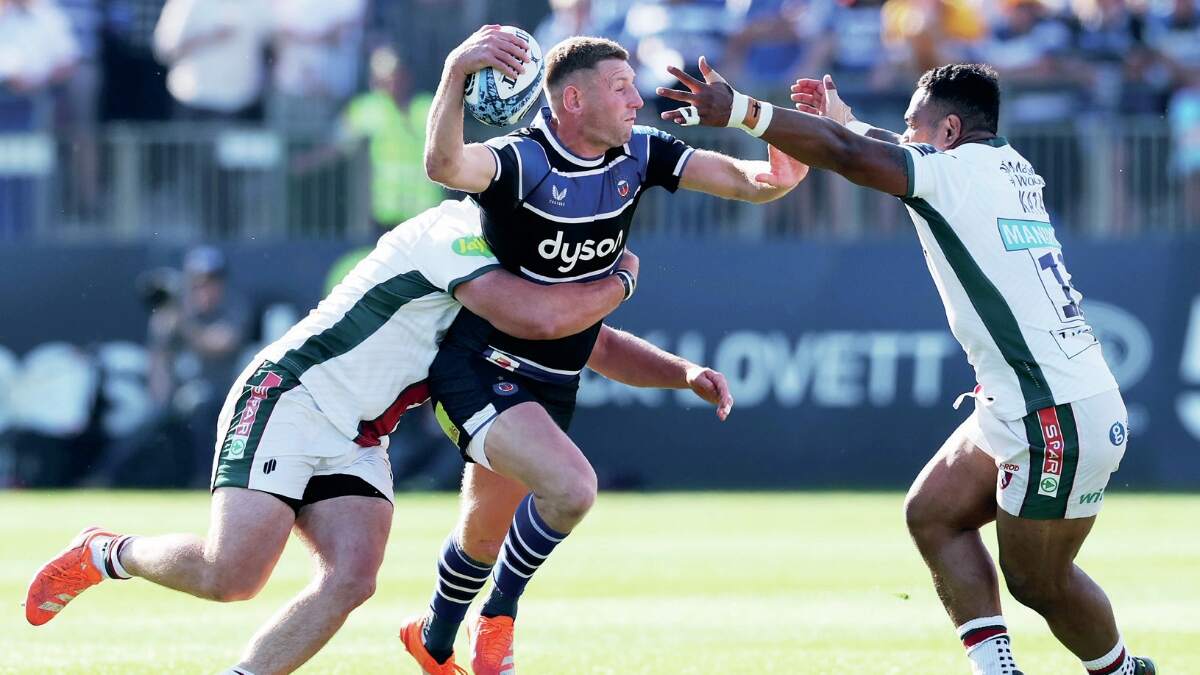
The coaching test, he argued, will be how Rennie maximises a New Zealand player pool that simply does not look like a Springbok one.
"That's always been a criticism around, you know, we're not South Africa," Gibson said. "We don't have huge men and play the way that they play. So the skill to a coach is going, 'Okay, this is what we've got on our roster. These are the strengths of that team. I'm going to put a game plan together or a game style that's going to match that roster.' Typically, as a New Zealand All Blacks team, we like big athletic men who are skilful. And that's what we produce. So match your game appropriately."
It is on that point - playing to your own roster - that Gibson made his strongest case for Rennie. The argument, he said, sits in plain sight in what Rennie did with the Wallabies during the previous World Cup cycle.
"Whenever you're evaluating a coach, I believe how effective was that coach in maximising the amount of talent that they were given. We could all see that Australia was short of talent, but Dave maximised every bit of that to get the performances he did out of that team."
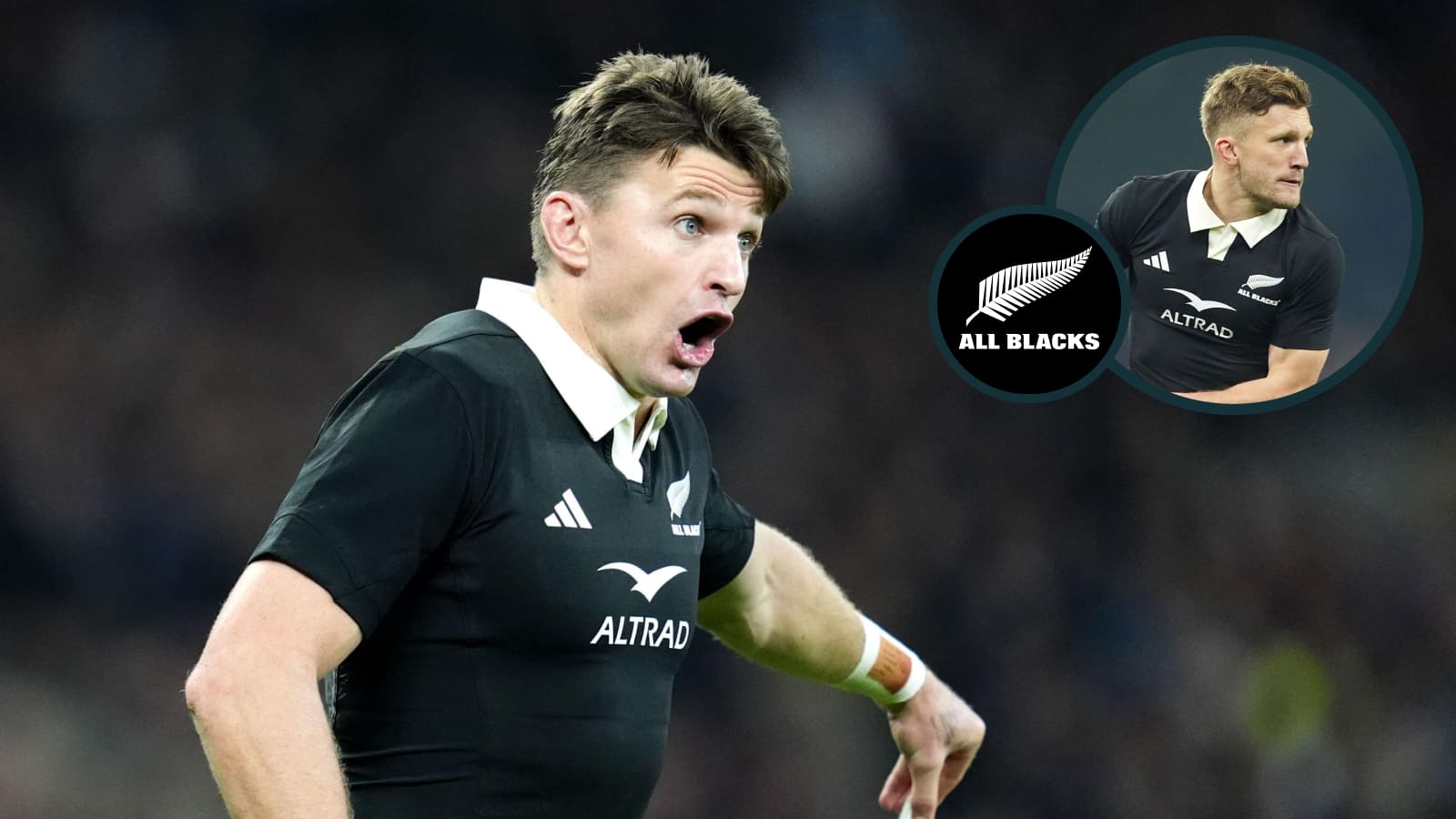
Gibson sees the same trajectory now playing out under Joe Schmidt, the man Rennie effectively succeeds in the All Blacks chair after Schmidt crossed the Tasman to coach the Wallabies. Both coaches, in Gibson's view, are extracting more from their squads than the previous regimes did - and the question for the All Blacks is whether their deeper talent pool will pay dividends under the same kind of clarity.
On the Super Rugby Pacific question that has dogged the All Blacks for two years - whether the southern hemisphere club competition is a strong enough proving ground for test rugby - Gibson came down on the side of the competition.
"I do believe Super Rugby can prepare the All Blacks for test footy, noting that a lot of commentary is that test football is different. But if you look at it, the only team we can't really beat at the moment is South Africa consistently. So I'm more interested in seeing what Dave brings around that identity, what All Black rugby stands for and the way we play the game."
And on the increasingly loud campaign - led recently by Sir Graham Henry - to relax New Zealand's overseas eligibility rules, Gibson held the conservative line, with one carefully worded concession.
"I'm probably more in the camp that we should protect the playing stock and domestic talent that we have. I'm still in favour of, you know, you need to play in New Zealand to be an All Black. I think there could be a nice relaxation of the law to go, 'Actually Dave and your selectors, you're allowed to pick one forward and one back from the global game,' or put a cap on the number - the Giteau Law effectively in Australia - where in a year there might be a real shortage of locks in our country, for various reasons."
For Gibson, in other words, this is not a moment for revolution. It is a moment for a coach with a clear playing philosophy to walk into a black jersey - "to me growing up, and I'm 62 now, has always meant absolutely everything" - and let New Zealand's own DNA do the talking again.