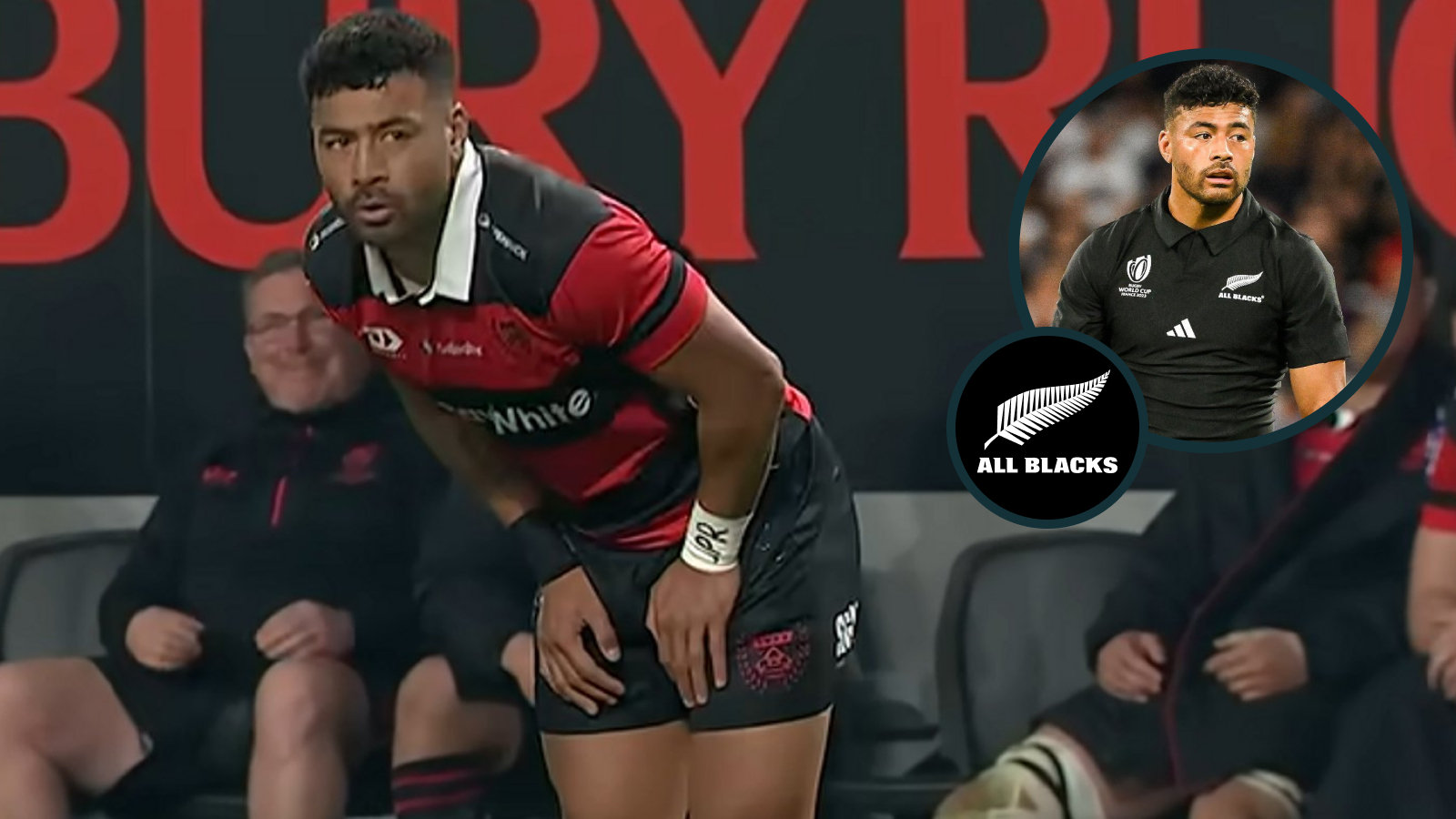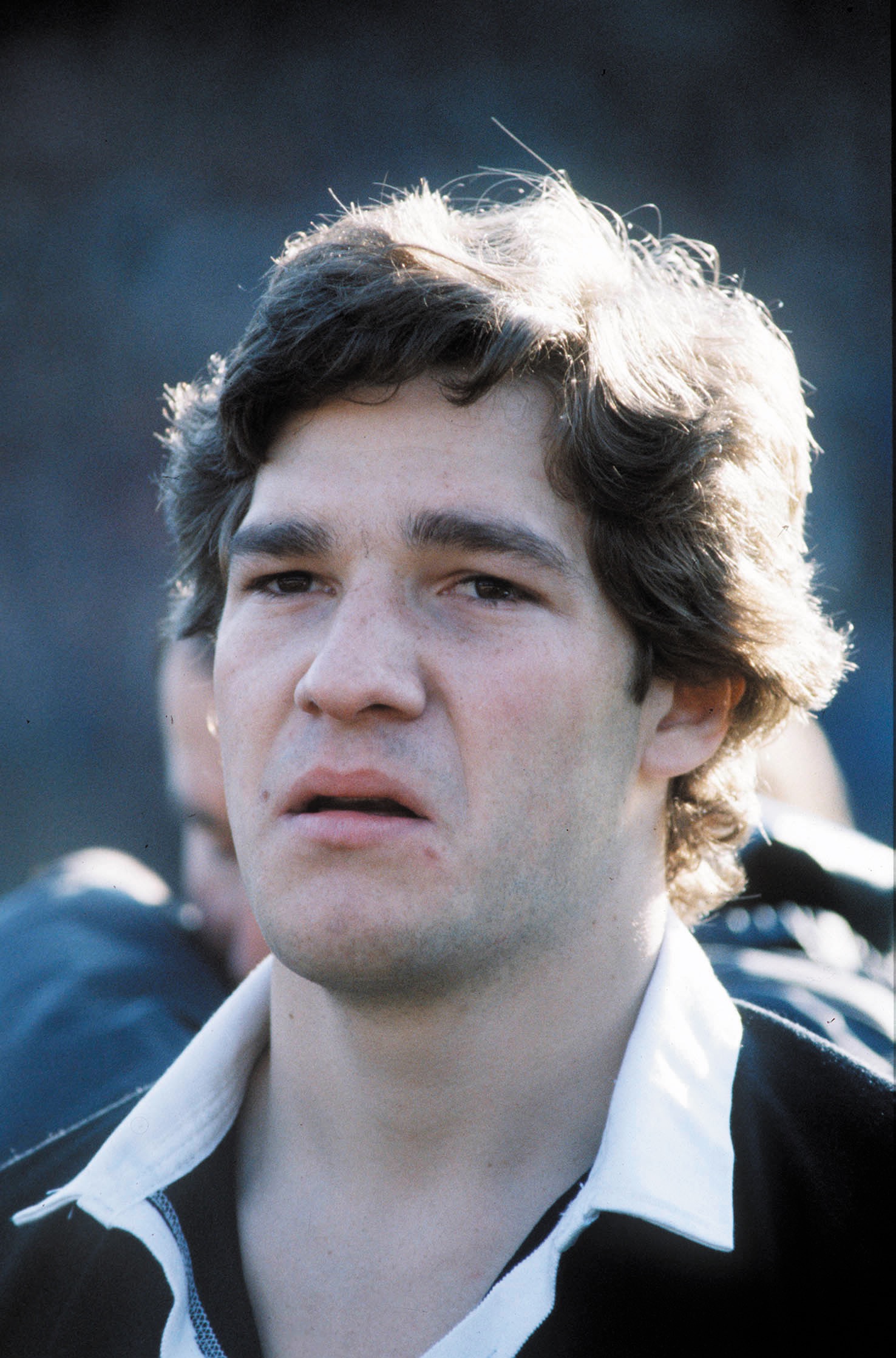
Former All Black and England centre Jamie Salmon believes the French Top 14 has decisively pulled ahead of every other club competition in the game, and predicts a wave of New Zealand players heading north after the 2027 Rugby World Cup in Australia.
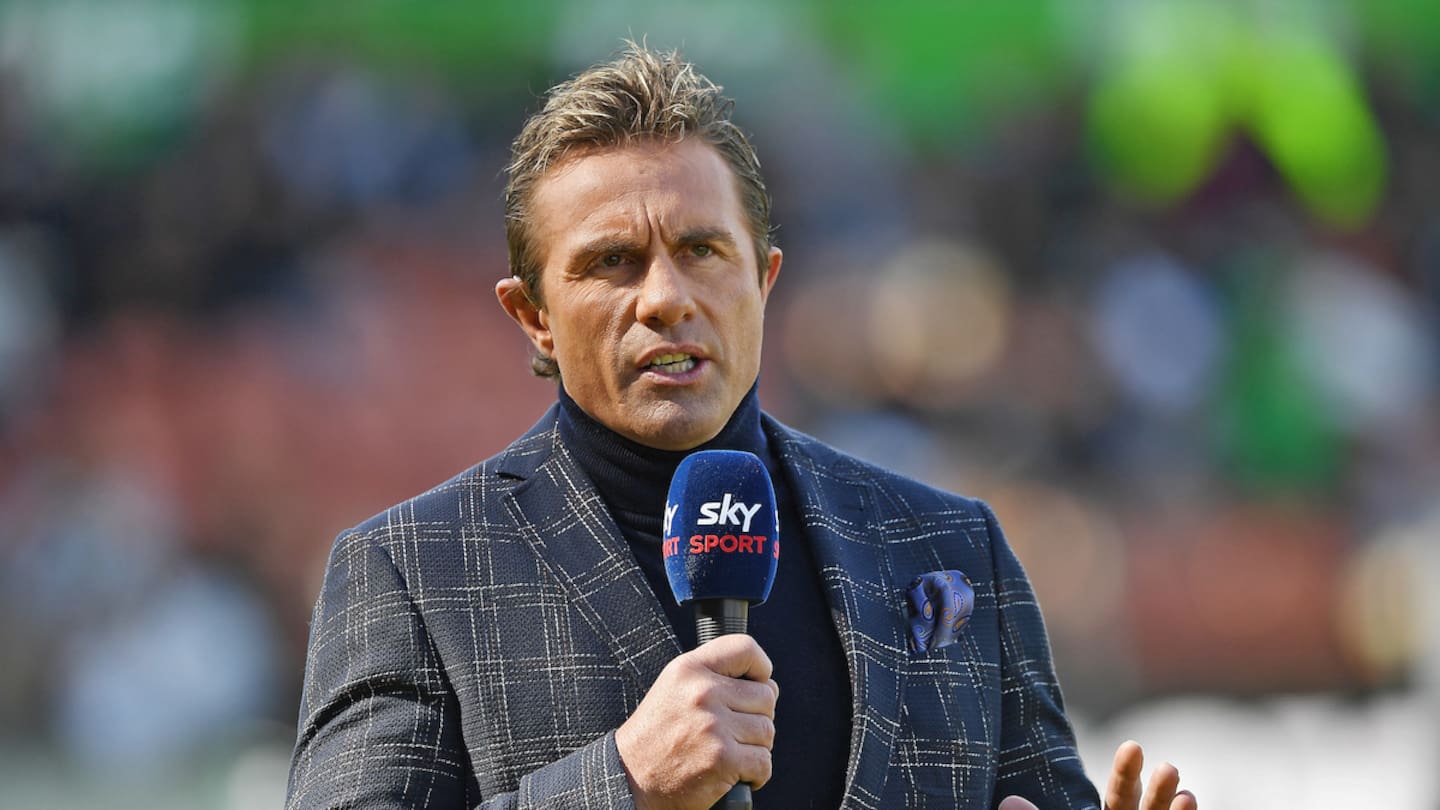
Speaking on the Develin Sports Podcast Network with host Martin Devlin, the 1987 World Cup veteran - one of a tiny handful of players to represent both the All Blacks and England - painted a sober picture of where Super Rugby Pacific and the All Blacks now sit relative to Europe's juggernauts.
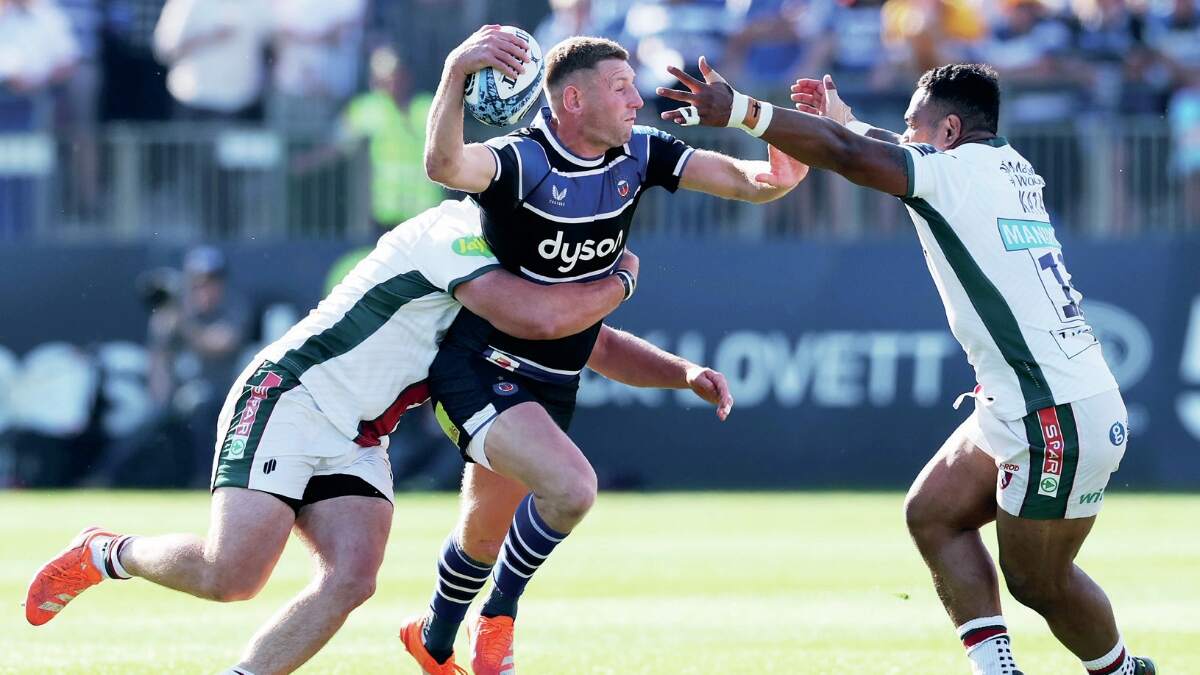
"These guys are a different breed," Salmon said of the modern English Premiership and Top 14 player pool. "They have strength and conditioning coaches on hand. They're amazing athletes. It's a power-based game without question. You still need to do the basics and win your scrums and catch your line outs, but the attitude, the mindset has shifted."
What separates the Top 14 from everything else, in Salmon's view, is a depth no other competition can match.
"The depth is much stronger. The 14 clubs have all got really outstanding players, both French and overseas. It's incredibly difficult to win away from home. The top teams are outstanding... they're playing great rugby and their TV audiences are through the roof. The TV money that they get in France is miles ahead of any club game in the world."
That money, he warned, is now reaching into Australasia in a way New Zealand's domestic structure cannot answer.
The conversation kept circling back to a Six Nations that Salmon called "extraordinary" - and to a French side that, somehow, has yet to lift the Webb Ellis Cup.
"If you said to me, 'here we are in 2026 and France have yet to win one,' I wouldn't believe you. I mean, it's extraordinary. So they need to break that cycle, but I think they're on track."
He gave Andy Farrell's Ireland fresh credit for refusing to slip into a rebuild - "they bounced back amazingly... they thought they were all over the hill, mid-30s and all the rest of it" - but reserved the harshest verdict for the global pecking order.
"South Africa lead the way and have done for a long time, and everybody else is playing a bit of catch-up, to be honest with you, including the All Blacks."
Salmon's most pointed exchange came on the question former All Blacks coach Sir Graham Henry has put back on the table: should New Zealand follow Rassie Erasmus and pick foreign-based stars? The answer was a flat no - and a warning.
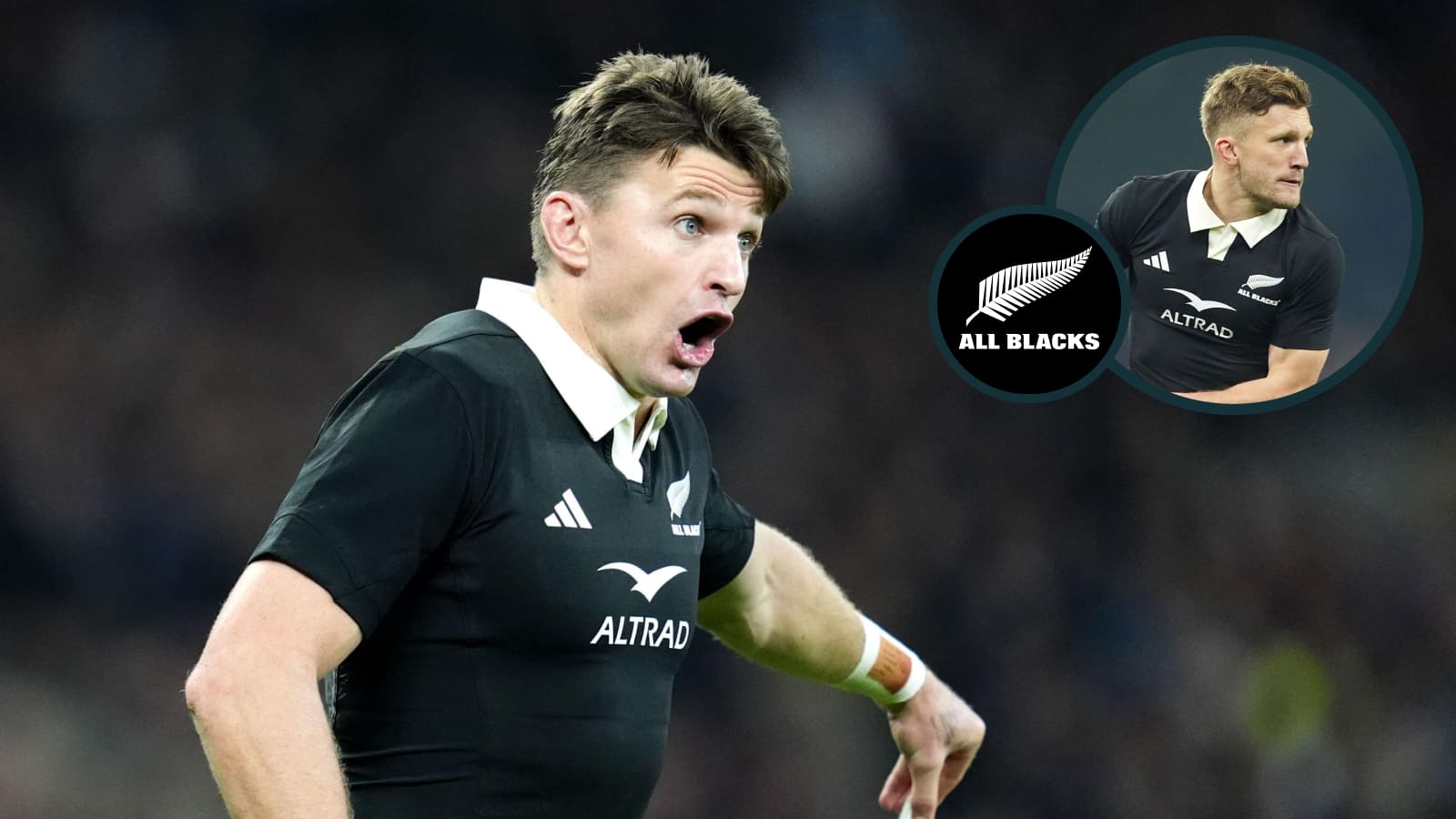
"I don't believe that would do anything great for New Zealand rugby apart from probably kill it. But we are going to have to get used to the fact that more and more players are going to play up there, and we are going to have to relax our rules around picking All Blacks from over there."
The economics, he said, are unanswerable for the player.
"There'll be a massive shift after the World Cup in 27. If you're a player at 28, 29, are you going to get to 33, 34 for the next World Cup? Where am I going to earn the most money in the next two or three years? And with the greatest respect, it's probably not in New Zealand. I think there will be a number of All Blacks that come into Europe post Australia 27 without a shadow of a doubt."
Salmon was less optimistic about Major League Rugby as a soft landing for southern hemisphere talent ahead of the 2031 World Cup in the United States.
"MLR is a much lesser league, and going to Chicago for a couple of years... There isn't the basic infrastructure there. It's very, very sad that USA rugby has not come on at all."
For all the gloom about systems and money, though, the Wellington-bred centre signed off on an upbeat note about the looming All Blacks tour to South Africa.
"That game in Wellington was a big pivotal moment for [the Springboks]. That score line, I was astonished to wake up and see... If I was in New Zealand now, I'd be pretty excited. We're going to know after that tour of South Africa who is and who isn't."