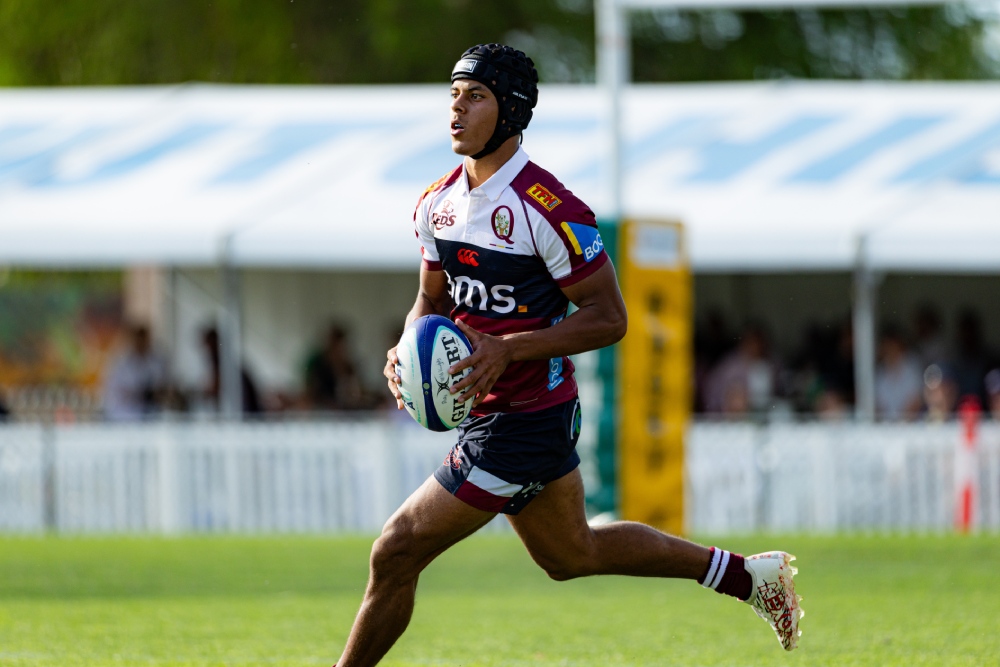
Treyvon Pritchard was meant to spend this month pressing his case for a senior Wallabies call-up. Instead the 19-year-old Queensland Reds fullback is flying home from Georgia with a broken right fibula and a syndesmosis injury, and rugby union is again arguing over a tackle that two other codes have already banned.
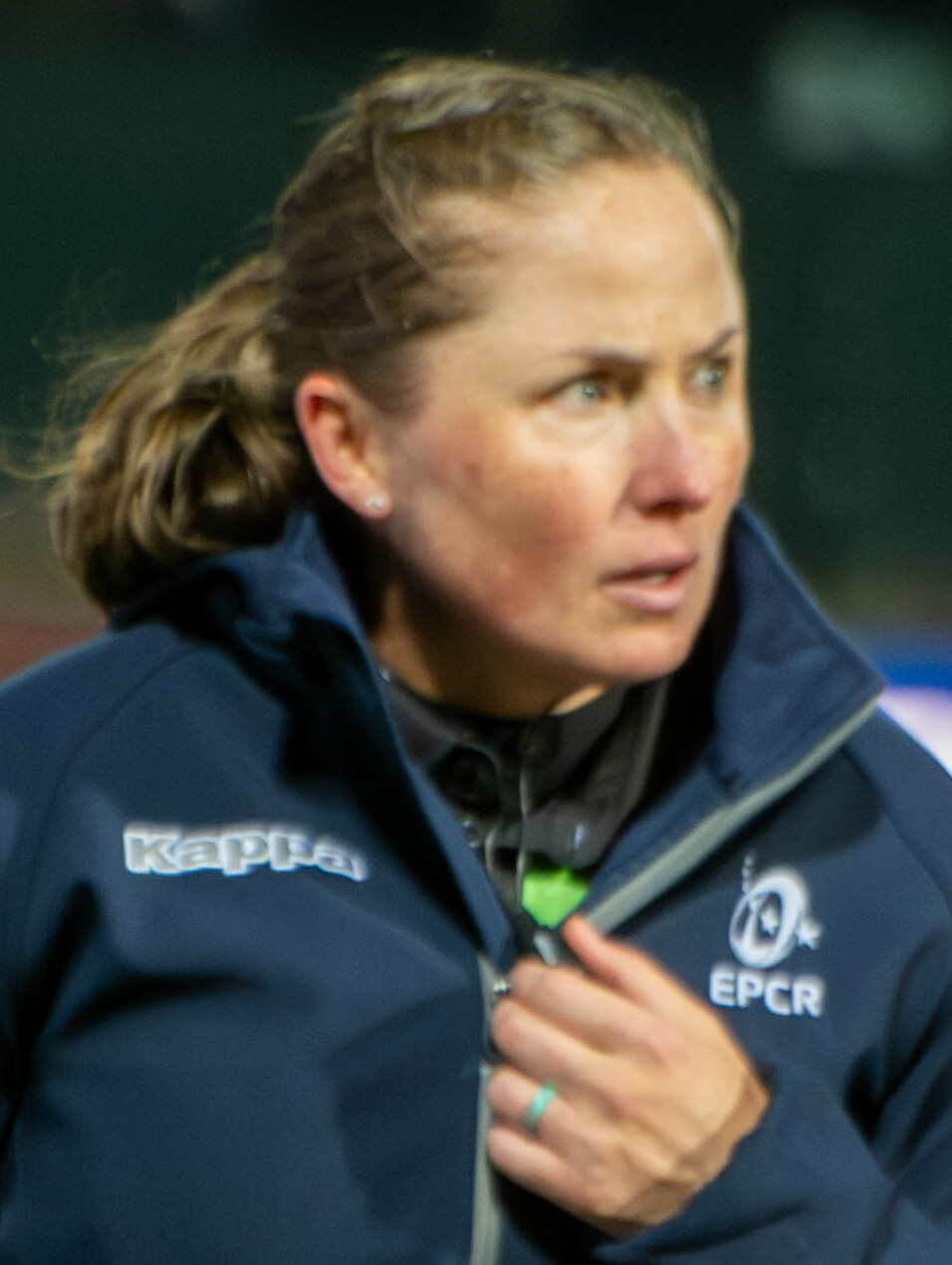
Pritchard went down in the 11th minute of Australia's fifth-place semi-final against Wales at the World Rugby U20 Championship on 13 July, caught by a hip-drop tackle from Welsh scrum-half Sion Davies. Irish referee Robbie Jenkinson did not penalise the contact. Syndesmosis surgery typically carries a three-to-six-month recovery, ruling Pritchard out of contention for the Wallabies' end-of-year squad.
It was not an isolated blow. Teammate Chayse Geros suffered a near-identical syndesmosis injury earlier in the same tournament, also from a hip-drop tackle — two of Australia's brightest teenage prospects lost to the same technique in a matter of weeks.
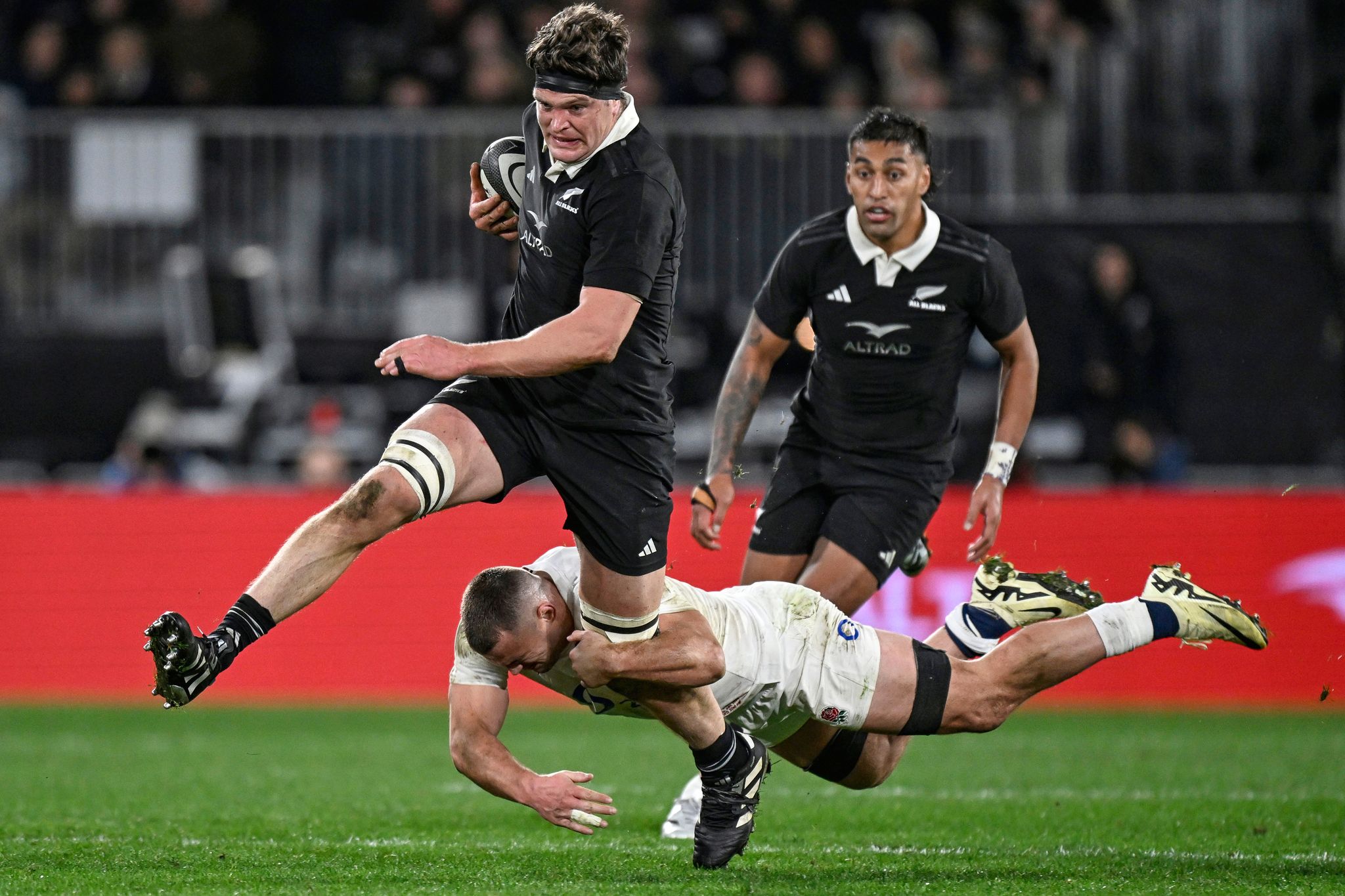
The hip-drop, where a tackler swings around a ball-carrier and drops his full body weight across the back of the legs, is outlawed in both the NRL and the NFL. In rugby union it sits in a grey area. World Rugby's Law 9.13 states only that "a player must not tackle an opponent early, late or dangerously" — leaving the call to a referee's interpretation in real time rather than naming the tackle as a specific offence.
That gap is what has fans and analysts pushing back. After Pritchard's injury, supporters flooded social media urging the governing body to act, with one widely shared post simply asking why the tackle "isn't outlawed in rugby" and tagging World Rugby directly. New Zealand Rugby has already moved at community level, encouraging referees to apply the existing dangerous-tackle laws more firmly to discourage the hip-drop and cut lower-leg injuries.
Australia's players, meanwhile, were left to salvage pride from a bruising night. Wales edged the contest 38-36 after a late television match official call chalked off what looked like a match-winning Australian try, ruling a knock-on in the build-up. The young Wallabies also lost William Ross to a failed head injury assessment and Lehopoame Leota to a shoulder problem inside the opening quarter.
"We didn't start the way we wanted and had a few injuries, but the resiliency we showed to get back into the game, we've got to be proud of that," flyhalf Finn Mackay said afterward.
The debate is not new — Wallabies wing Max Jorgensen missed a chunk of last year's build-up to the British and Irish Lions series after a similar hip-drop-type tackle — but the toll at this year's U20 Championship has sharpened it. Two teenagers on crutches, a referee's whistle that stayed silent, and a law that still leaves the most dangerous tackle in the game to interpretation.