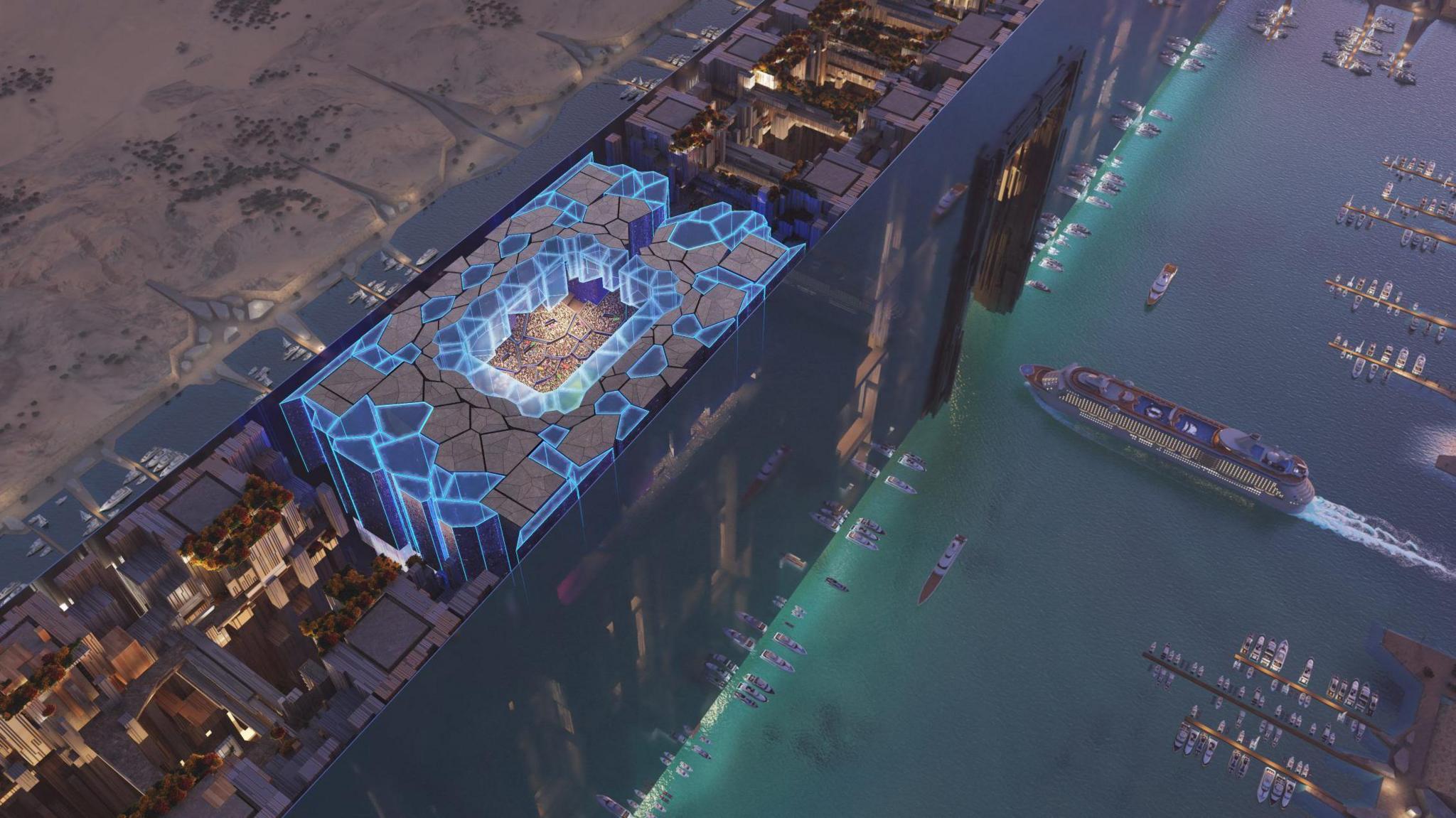
Saudi Arabia has walked away from its bid to host the 2035 Rugby World Cup, removing one of the most ambitious and geopolitically charged candidates from the race and leaving the path open for rival contenders across South America and Europe.
The decision, first reported in mid-April by The Guardian and later confirmed through additional reporting by Planet Rugby and SPORTbible, comes as the Kingdom recalibrates the pace of sporting investment tied to its Vision 2030 programme. Funding for new sports infrastructure has been pared back, and hosting a three-week rugby tournament — a sport with a negligible domestic footprint in Saudi Arabia — has been judged a luxury the current programme can no longer support.
Saudi's interest had been serious. Conversations with World Rugby were well advanced, and the Kingdom's financial firepower had been expected to overwhelm conventional bids on pure infrastructure guarantees and hosting fees. The arrival of a bid from a non-traditional host was always going to test World Rugby's balancing act between commercial upside and preserving the sport's heartland.

With Saudi Arabia out, the contest narrows sharply. Argentina, backed by a coordinated South American pitch, has been the loudest voice promoting the tournament's first staging outside the traditional strongholds. A bid from the UAE and the wider Gulf region also remains live, while European options — including a reworked Italy-led proposal — are preparing to formalise by the World Rugby Council deadline.
For World Rugby, the withdrawal is not purely bad news. A Saudi hosting would almost certainly have sparked sustained criticism from players' unions and supporters on human-rights grounds, echoing the friction that has dogged other global sporting events staged in the Kingdom. Critics inside the game had argued that awarding the men's showpiece to a country with almost no organic rugby culture would have undermined the longer development work being done in emerging markets such as the USA — host of the 2031 men's tournament — Kenya and the Pacific.
The withdrawal also changes the calculus for the 2039 Women's Rugby World Cup and the broader HSBC SVNS circuit, both of which had been flagged as potential staging grounds for Saudi sporting capital. A reduced Saudi presence in those pipelines makes the financial gap World Rugby needs to close through its global commercial programme that much wider.
Argentina's bid now looks the early favourite. A South American Rugby World Cup would open a new continental market, leverage the enormous crowd appetite seen around every Pumas test, and place the tournament in a time zone friendlier to European broadcasters than either the 2027 Australia or the 2031 USA edition. The BBC has already reported detailed planning for stadia across Argentina, Uruguay and Chile.

World Rugby's bid process, opened in September 2025, expects formal submissions through 2026 and an award in 2027. The working principle has been consistent: each hosting cycle should reach into a new commercial and growth market while protecting tournament standards. Saudi's withdrawal removes the most commercially aggressive but politically fraught option from the table, and hands the momentum to bidders with deeper rugby roots.