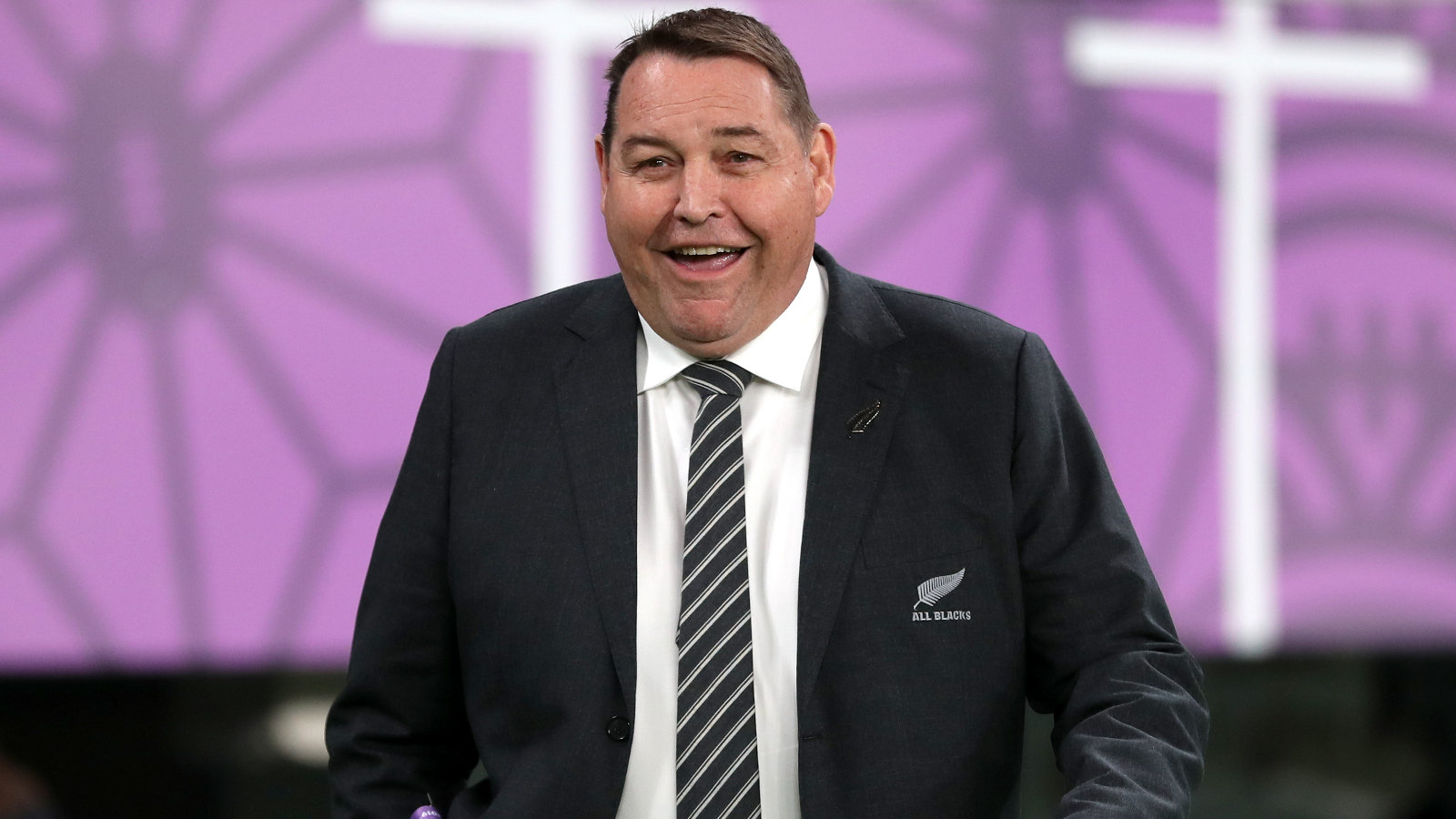
Sir Steve Hansen has urged New Zealand Rugby to accept that the offshore tide will not be turned by sentiment alone, as confirmation rolls in of an unusually large group of All Blacks-eligible players moving overseas at the end of the Super Rugby Pacific season - and as incoming All Blacks head coach Dave Rennie prepares to name his first squad with that group already gone.
Hansen, who took New Zealand to the 2015 Rugby World Cup title, was characteristically direct in his assessment when asked about the scale of the departures.
"Well, we have to understand and accept that's what could happen because it is happening," Hansen said. "So, it's a reality. What are we going to do about it?"

The departures span all five New Zealand Super Rugby franchises and reach into the All Blacks first-choice squad as well as into the layer of Rennie's likely 2026 selections. The most prominent confirmed move is Blues loose forward Dalton Papali'i, who has signed for Castres in France's Top 14. Fellow Blues No.8 Hoskins Sotutu - already an All Black - is heading to the Premiership with Newcastle Red Bulls under new head coach Dan McFarland.
In Christchurch, the Crusaders have lost three players to overseas deals: centre Braydon Ennor and wing Sevu Reece are both bound for Perpignan, while another international centre, Dallas McLeod, will join Exeter Chiefs in England. Hurricanes loose forward Devan Flanders has signed in Japan, and Hurricanes prop Fehi Fineanganofo will join Sotutu at Newcastle.
In total, eight All Blacks-eligible players will be unavailable to Rennie when he names his first squad, with the picture sharpened by another wave of fringe All Blacks and emerging Super Rugby names also moving offshore.
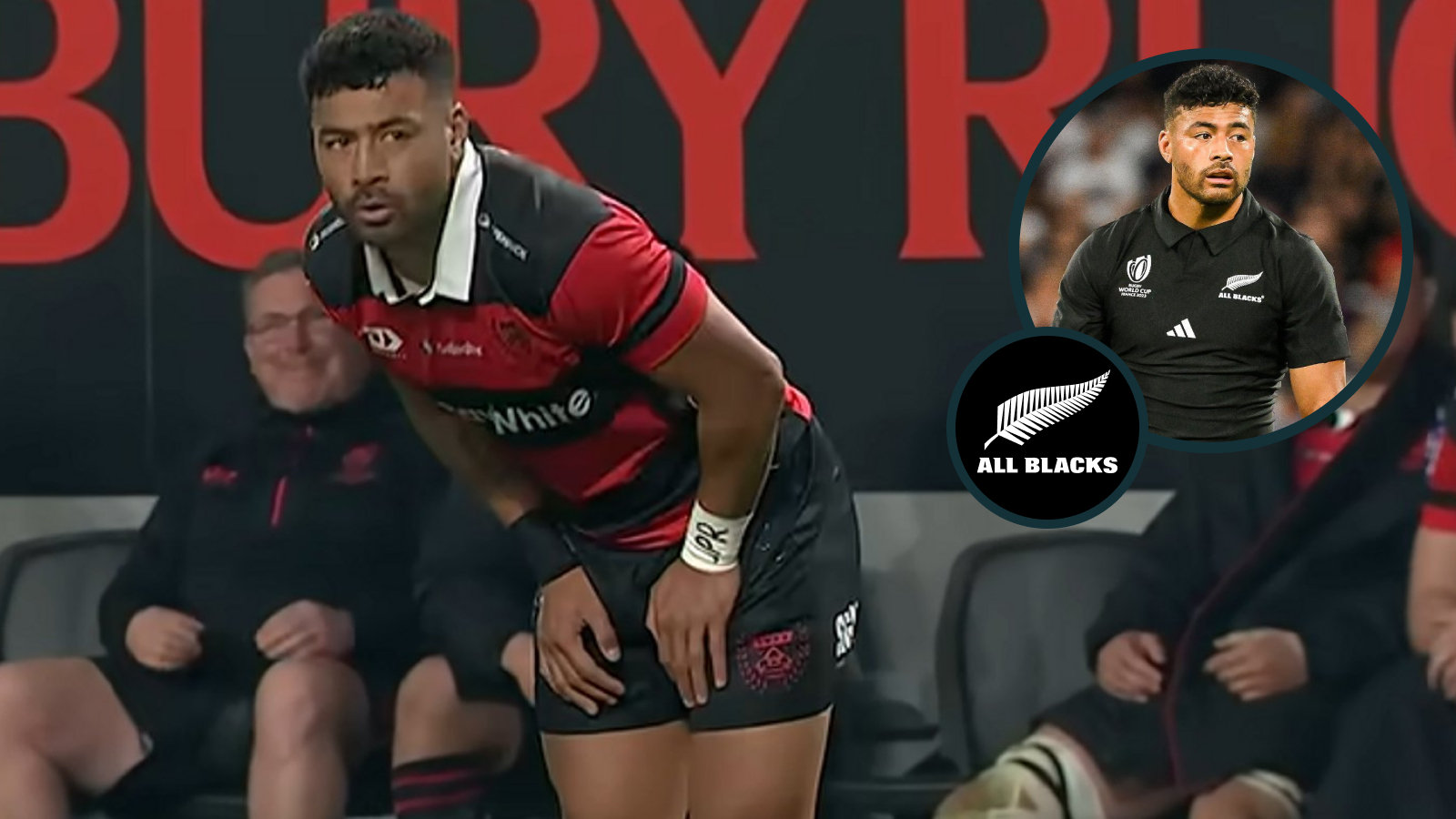
The loss being framed by some New Zealand commentators as the most significant for Rennie personally is Devan Flanders. The Hurricanes blindside flanker, considered a strong contender for an All Blacks call-up under the new regime, was widely expected to be in the squad as a developing back-row option. His decision to take a Japanese club deal removes one of the most promising emerging back-row prospects from the depth chart and lands a blow to a position group already thinned by previous departures.
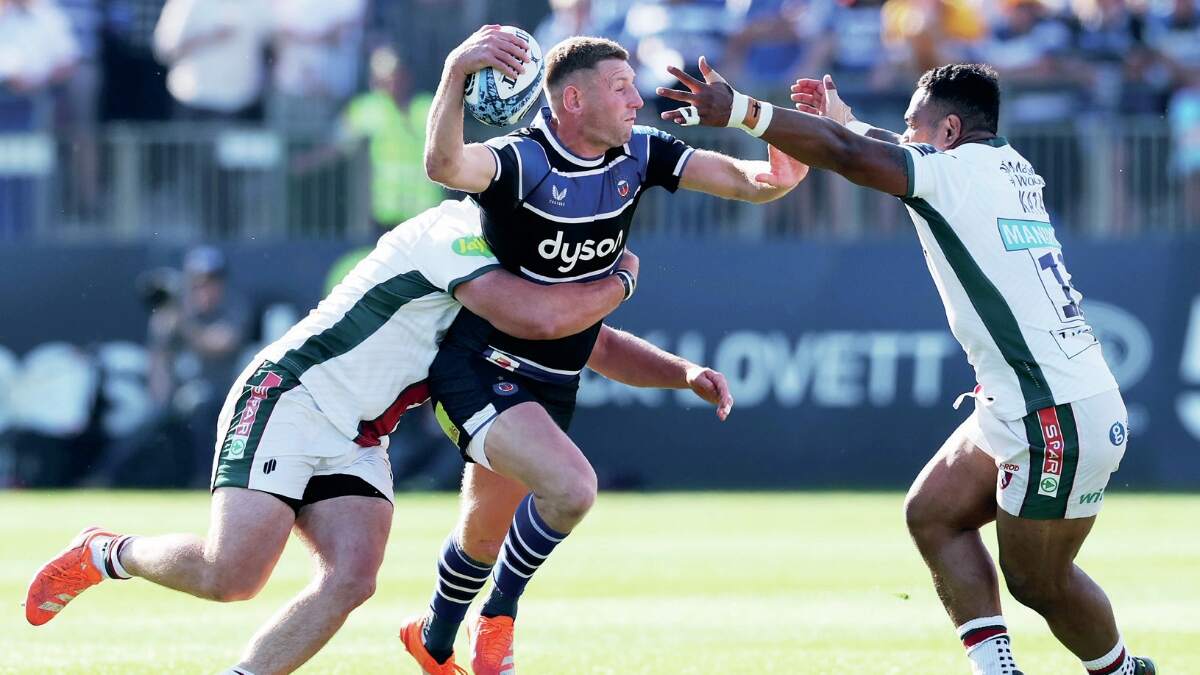
Hansen's broader point is that an exodus of this scale - across multiple franchises, multiple positions, and multiple destinations - is the new market reality and not an aberration to be lamented. "It's a reality," he repeated. "What are we going to do about it?"
For Rennie, who returns to coach his country after stints with the Chiefs, the Glasgow Warriors and the Wallabies, the immediate task is selectorial rather than political. The new coach has long been expected to favour proven international experience in his first squad, and to lean on the Crusaders and Blues spines that have dominated New Zealand rugby for most of the past decade. With a number of those players now confirmed for European or Japanese contracts, the depth chart in the loose forwards, the midfield and the back three has thinned considerably from where it sat at the end of last year.
The departures also re-open a long-running argument inside New Zealand rugby about the eligibility rules, which currently bar overseas-based players from selection. NZR has held the line on that policy through several reviews, but with this many internationally capable players moving in a single window, the political pressure on the eligibility rule is likely to grow ahead of the 2027 Rugby World Cup cycle.
That is a debate for another month. Rennie's first squad - and the picture of just how thin the cupboard now looks - will tell the story of the 2026 All Blacks before any of those structural questions are answered.