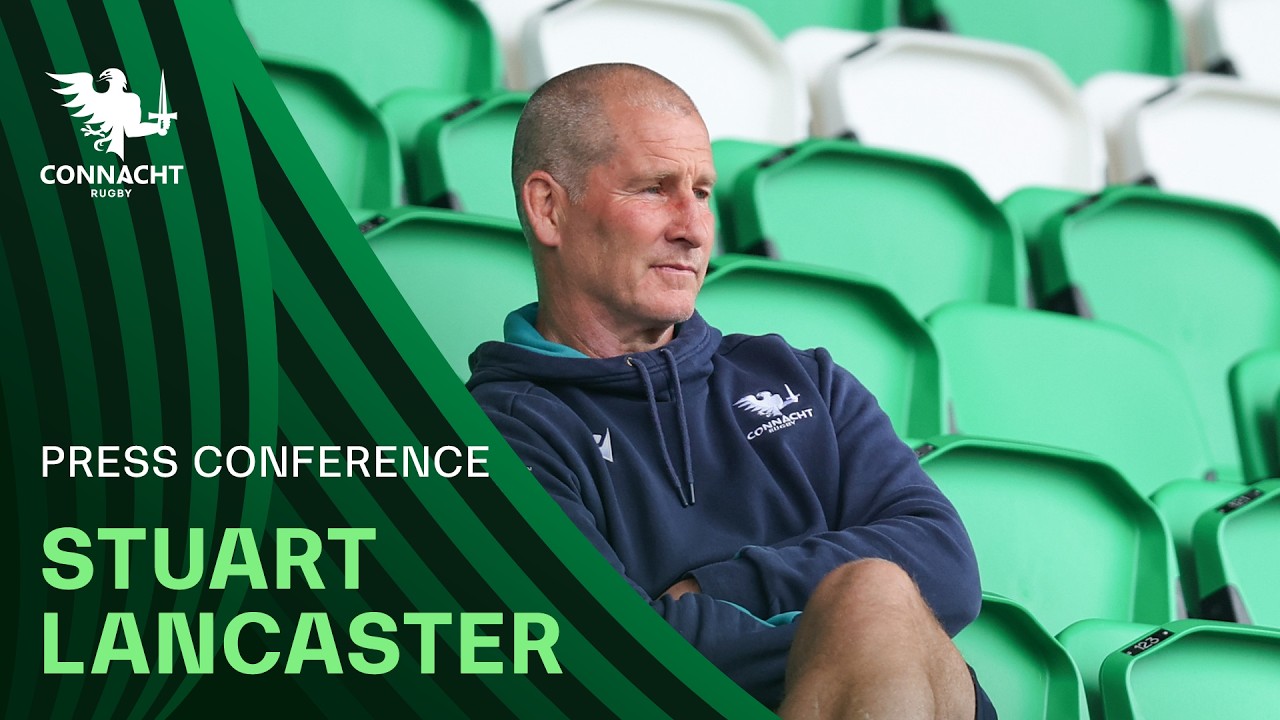
Stuart Lancaster's first season as Connacht head coach has come down to a familiar Irish nightmare and a familiar Irish opportunity. With one match to go in the URC regular season — Munster at home at Dexcom Stadium on Saturday — Connacht are still alive in the playoff fight, and Lancaster is refusing to do the maths.
"I haven't, I haven't," Lancaster told media when asked whether he had run the permutations. "I've too many other things going through my mind to start doing the permutations because all you've got to do is control your own destiny really, to a certain extent."
The former England head coach drew on a Top 14 memory from his Racing 92 days to underline the point. "I remember my first year at Racing, it was a Super Saturday. So everyone kicks off at the same time. And it came down to Tristan Tedder kicking a conversion to get a bonus point to qualify Racing in sixth place," he recalled. "There were multiple screens going on and people saying, 'Oh, this is happened in this game and this game.' And it was so distracting. I was just trying to lock in on doing our job well."
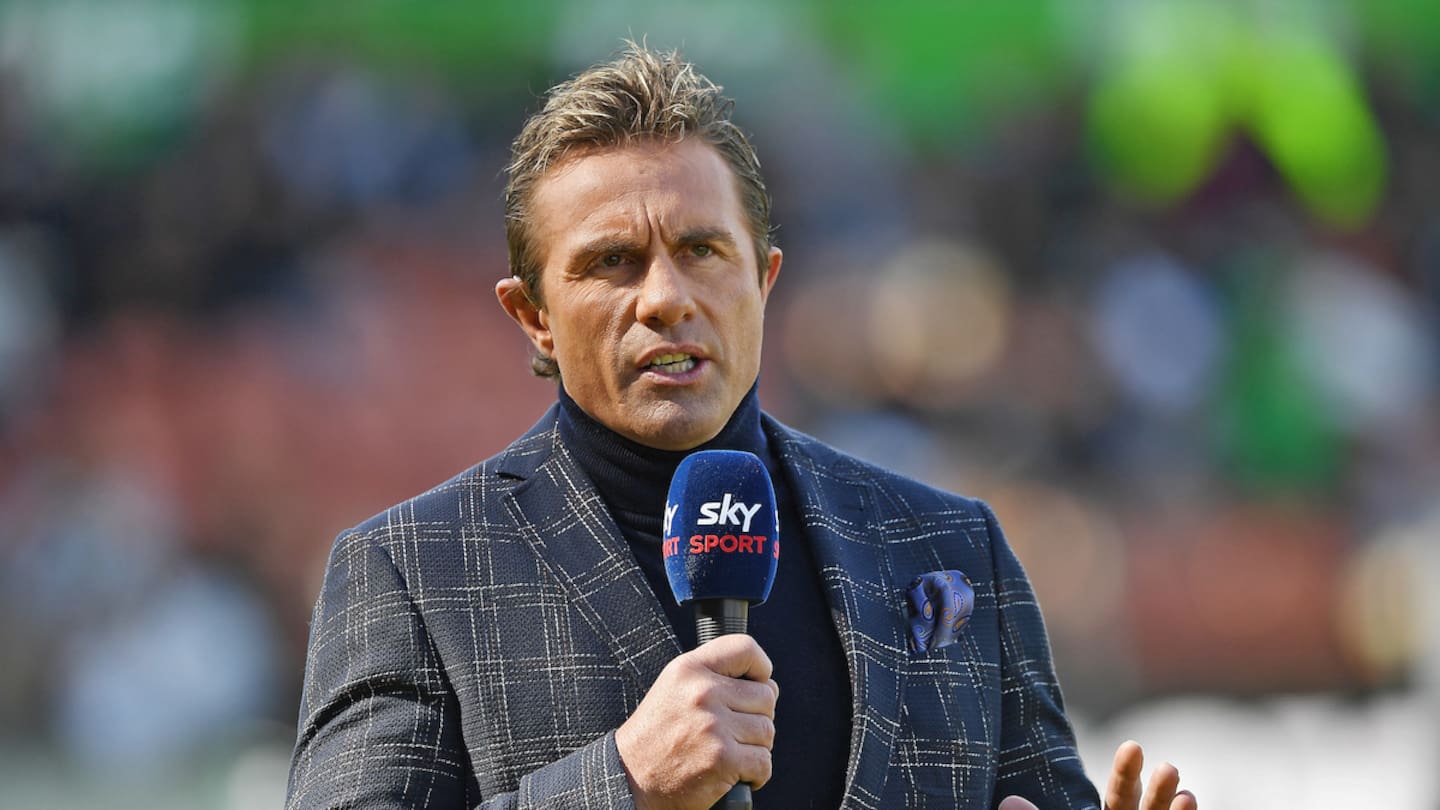
Connacht's Saturday kick-off is at 7.45pm, late enough that, as Lancaster acknowledged with a laugh, "every game will be played by [then]. So the lot will have played out before us. But it is completely irrelevant because we need to play well because we know how good the team we're playing against."
Munster, he noted, are "playing a lot more rugby" in the second half of the season, and both teams have an interest in winning rather than not losing.
"Both teams will be going to win the game, as opposed to try not to lose. There's a big difference, isn't there? So our mentality will be, as it has been throughout the season, to win by scoring tries," Lancaster said. He expects the back-line to look to move the ball wide, but tempered that with a reminder that wet weather might force adjustments.
Lancaster has identified three areas as decisive: the set piece, defence and the ruck breakdown. He highlighted Munster's international half-backs and the centre form of Jack Nankivell at 12 as challenges the Connacht defence has to be ready for.
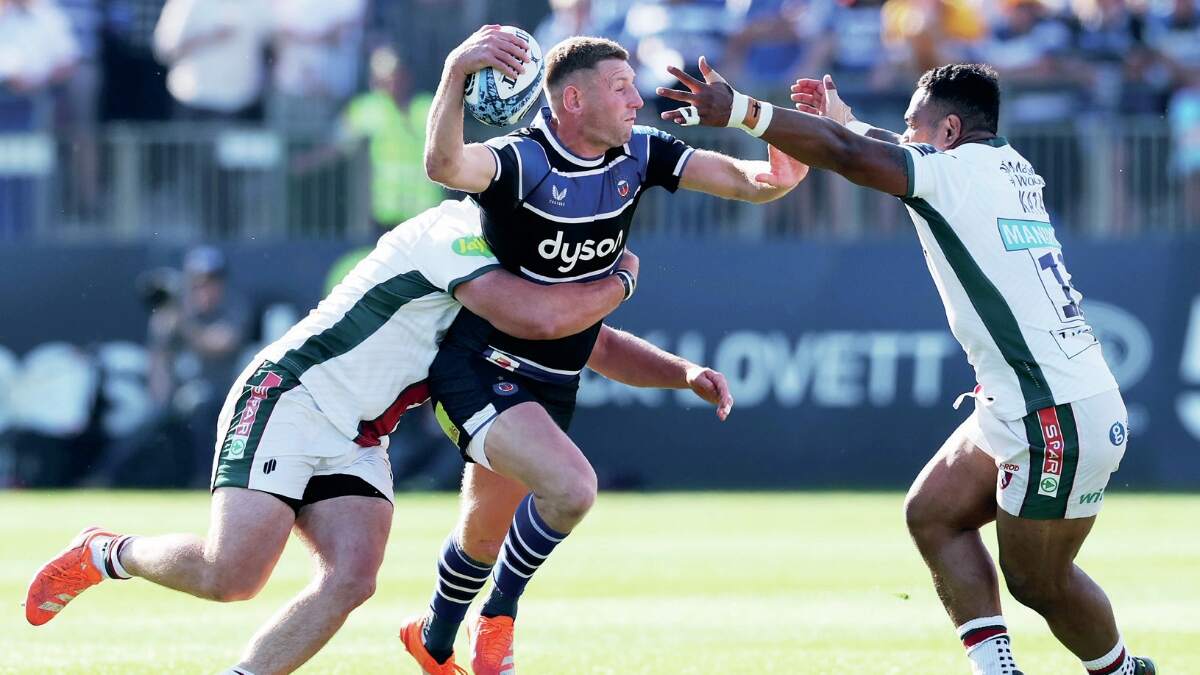
"Making sure our defence is really well organised and ready to deal with — obviously they've got international half-backs for a start," he said. "They've got very good ball carriers across the park. And Nankivell's playing excellent at 12. We need to be on point defensively to make sure that we stay in the fight throughout the course of the game."
The press conference also covered Denis Buckley, Connacht's second-most capped player, who is leaving the province at the end of the season. Lancaster, who first played against Buckley in 2016, called him a player who "would have picked in every game anyway."
"He's so durable, so professional. He's virtually error-free in everything he did. Connacht's pack rarely got dominated on his side of the ball," Lancaster said.
He praised the loose-head's mindset throughout a difficult contractual conversation. "He's dealt with the decision and how it's unfolded really well. He only wants the best for the club. It's the same as Jack [Carty], he's very similar."

In Buckley's place, Connacht have signed Jerry Cahir from Bath and are also bringing in Francois Hougaard. Both played in this year's Champions Cup semi-finals, Cahir for Bath, and Lancaster has already been impressed by what Cahir said in their first phone conversation.
"Sometimes when you've had setbacks along the way and you've not had the smoothest path to professional rugby, it makes you a better player in the long run. I think Jerry's in that bracket," Lancaster said. He referenced "the rocky road" — the idea that the players who reach the very top usually do so through rejection, non-selection and injury rather than a clean upward curve.
Asked about the difficult conversations head coaches must have with players who are not being retained, Lancaster pointed to one principle: bad news should never come as a shock.
"You're always trying to sort of say, 'This is where you're at.' And they would start in October, November time," he said. "It's not a decision that gets made like that. It's a conversation that unfolds over the course of three, four, five months. Sometimes it means that they stay on and sign another year or two. Sometimes it means that they go in a different direction. But yeah, they're never easy."
Connacht come into the Munster game on the back of a productive South Africa tour and the return of Bundee Aki, Josh Murphy and Cian Prendergast, who did not travel south. They are short of Buckley and Matt Victory, but Aki's reintegration is the more immediate boost.
For Lancaster personally, this is a chance to deliver in a province that has historically had to grind harder than its richer rivals — and to do so against a Munster side that lost its last three of five visits to Galway. Whether the maths works out for Connacht or not, the head coach's instruction to his players is the one he set himself when he sat in the Racing 92 dressing-room watching Tedder line up that conversion: trust the next thing in front of you, and let the table look after itself.