
Super Rugby Pacific has locked in the biggest shake-up to its format in years — and the celebrations from its clubs sit awkwardly beside anger over the price being paid for it.
From 2027 the competition will run a 17-week regular season, with each side playing 16 matches and losing one of its bye weeks. The finals net widens to the top six: the leading two teams earn a week off and a home semi-final, while the sides finishing third to sixth fight it out in sudden-death elimination games. The grand final is pencilled in for Saturday, 26 June.
Competition chief executive Jack Mesley said the new structure is designed to make the regular season matter deep into winter, with the reward for finishing near the summit sharper than ever.

The new-look Finals Series "ensures teams will be more desperate than ever to finish in the top two to secure a week off," Mesley said.
Clubs have welcomed the extra content. Fijian Drua chief executive Jeff Miller called the expanded season "fantastic news for the players, their sponsors, fans and the competition as a whole," and said more matches would give supporters more chances to get behind the side while the revamped finals rewarded consistency.
The catch is what the tournament looks like in 2027: a 10-team competition, down one from this season, after Moana Pasifika's confirmed exit at the end of the current campaign. For many in the game, dropping a Pasifika side while trumpeting expansion does not add up.
Broadcaster and community leader Ken Laban, New Zealand's first mayor of Pasifika descent, was scathing.
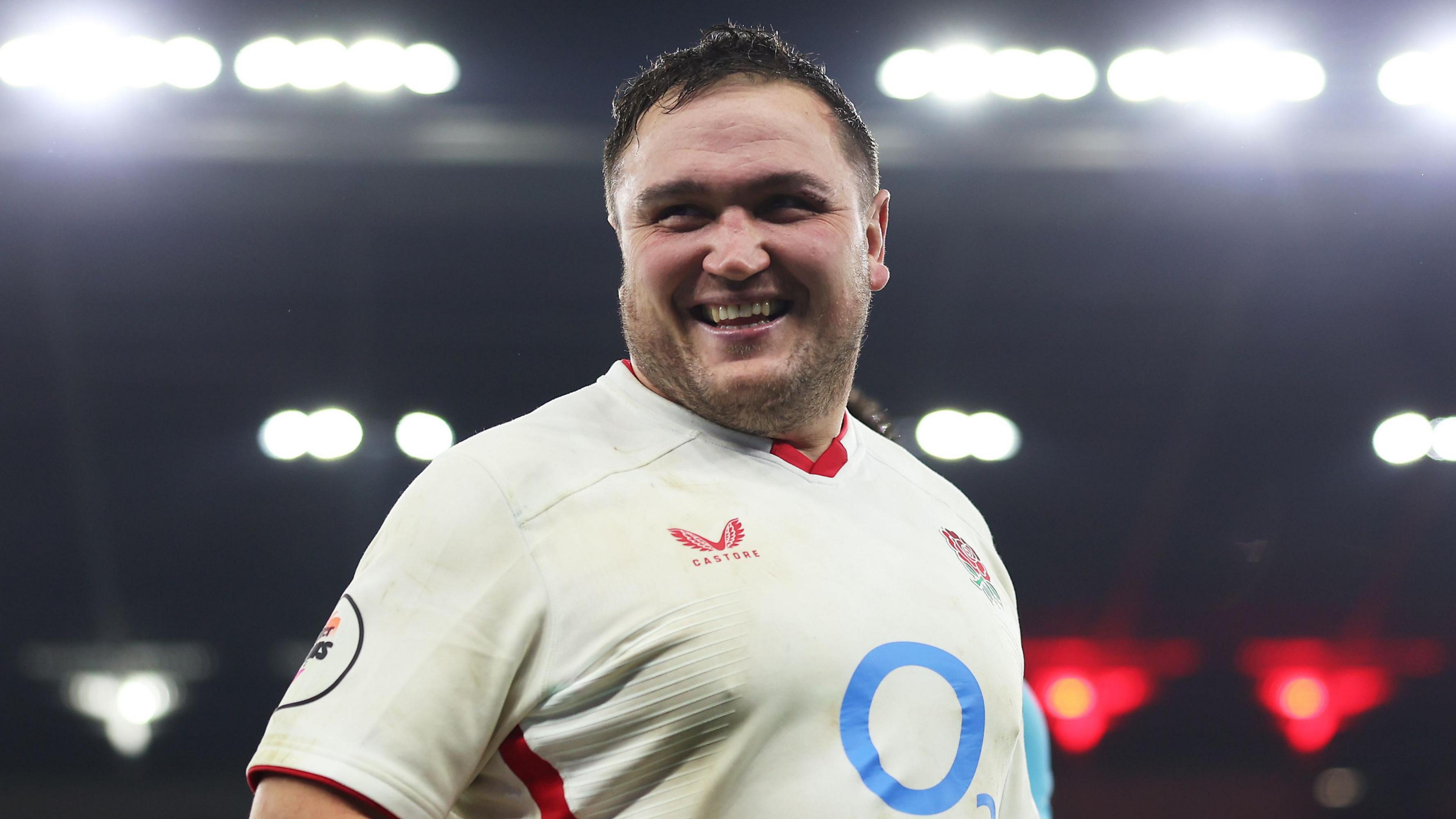
"They need to stop saying that they're about growing the game because they're not. They've just killed part of it," Laban said.
He rejected the idea that the sport's governing bodies could claim to be widening rugby's footprint while removing teams.
"I cannot for the life of me follow the logic of how everybody says they're committed to the growth of the game and expanding the game's global footprint, how they think they can achieve that by taking teams away from Super Rugby," Laban said. "It's an absolute setback for the game and for the people involved."
Former All Blacks midfielder Aaron Mauger, who coached Moana Pasifika, described the club's demise as "devastating."

The result is a competition heading into 2027 pulling in two directions at once: a longer, higher-stakes season its remaining franchises are genuinely excited about, shadowed by the loss of a team that took top-flight rugby into Pacific communities the code says it wants to reach.