While the Rugby Pod's takedown of the French host broadcaster grabbed the attention of the post-Champions Cup semi-final week, Eggchasers Rugby went after a different layer of the same problem. The independent YouTube channel, which has built a following on long-form match analysis, opened with a barb that perfectly captured the mood among fan-run rugby creators after a weekend of online sniping.
"Breaking news in the rugby world in the last 24 hours. I don't know if you were aware, but if you are not an ex-professional, your opinion doesn't really count. I don't know if you knew that. I didn't."
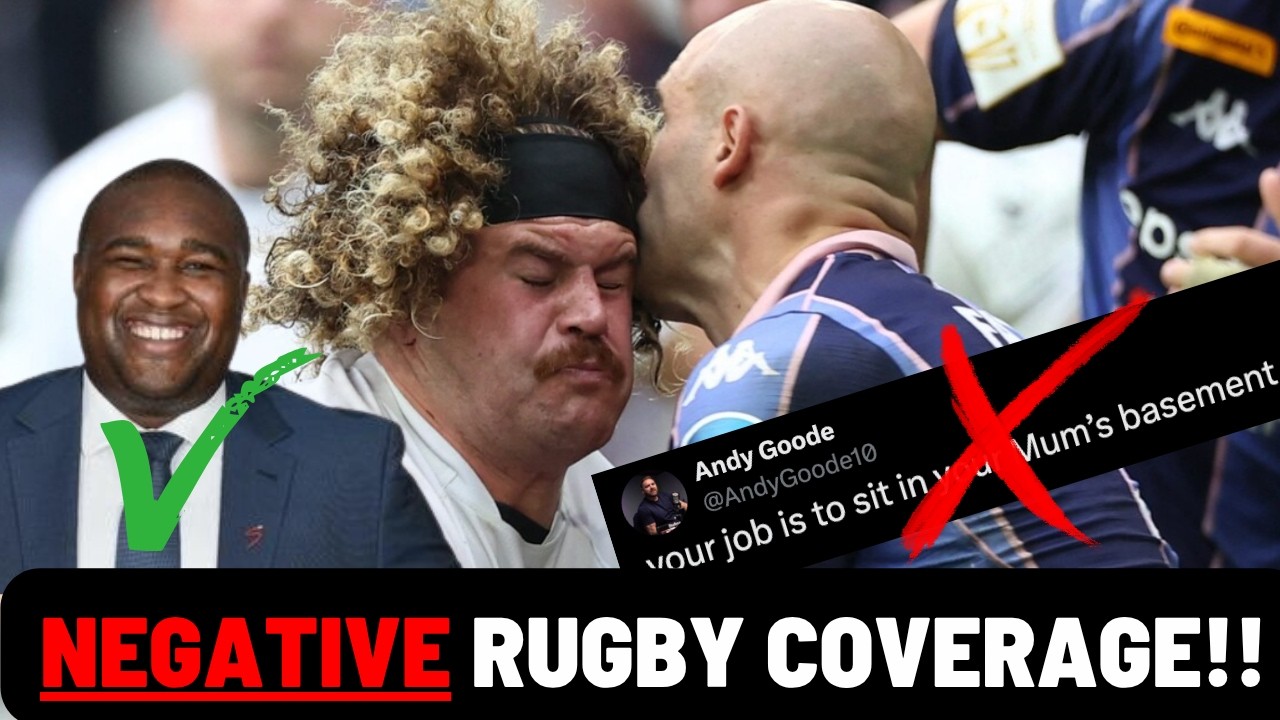
The substance, however, was less interested in the Twitter brawl that had broken out between Squidge Rugby and former Gloucester back-rower Andy Goode and more interested in what the row had distracted everyone from: the actual quality of the broadcast that triggered it.

"Let's talk about the negativity of rugby coverage. Let's talk about the role of the broadcaster in rugby, what our expectations of them should be, the perception of the sport from inside and from outside. Basically, I'm going to try and make this bigger than the online spat which has been part of the fallout of the Bordeaux versus Bath game."
Where the Rugby Pod's complaint was about replays, Eggchasers' was about tone. He told viewers he had watched Bordeaux versus Bath without checking social media, and what struck him on his own terms was simply how dispiriting it sounded.
"I described the commentary on Premier Sport of that match as - and I think the phrase I used was - insufferably negative, and I stand by that. It spoiled the enjoyment of that match to some degree, and I found that disappointing personally."
The more important consequence, he argued, was not personal disappointment but the collateral damage to the sport's audience growth.
"More frustrating than that was I was thinking about all the people that might have tuned into this game because it was a big match, who aren't regular rugby watchers, who might have been turned off because of the insufferable negativity."
On the question of who is allowed to have an opinion about any of this, Eggchasers refused to play either side of the argument. The Squidge-Goode row had spilled into something genuinely ugly, with both ends of the dispute losing the plot.
"If you resort to name-calling and being personal, then you've lost the argument because it basically means you don't have one. Why go personal if you can just respond with kind of facts? Just chucking names about - I just think in poor taste and in poor form, and doesn't reflect on the individual very well."
The most cutting line, though, was reserved for the suggestion - made publicly by parts of Squidge Rugby's audience - that Goode's employer should be tagged into the row and pressured to act.

"To be fair and balanced, I think that the other half of Squidge Rugby was bang out of order as well. He did exactly the same. And actually trying to tag the employee employer and suggest that they should sack the individual - I think honestly, you know what? I think that's despicable."
The cumulative effect was a long-form argument that rugby's growth problem is not just officiating, host broadcaster bias, or even commentary tone. It is the sport's own community treating disagreements as zero-sum tribal warfare on platforms designed to reward exactly that.
"I come at this as someone who has been part of that very rugby coverage," he said. "And I guess now I'm on YouTube - this is 2026 - I guess we're part of this rugby coverage now, aren't we? I value your opinion. You don't have to be an ex-pro to leave your thought down below. Let's make this the start of a conversation."
The argument lands at a moment when rugby's audience metrics are once again under scrutiny. Premier Sport's Champions Cup numbers, the World Rugby growth strategy, the Six Nations attendance crisis in Wales - none of them get easier when the people making the case for the sport on the live broadcast spend ninety minutes telling a casual viewer it is not worth watching. Eggchasers' point is uncomfortable but unanswerable: rugby coverage shapes rugby itself, and at the moment, that coverage is selling a worse product than is actually on the pitch.