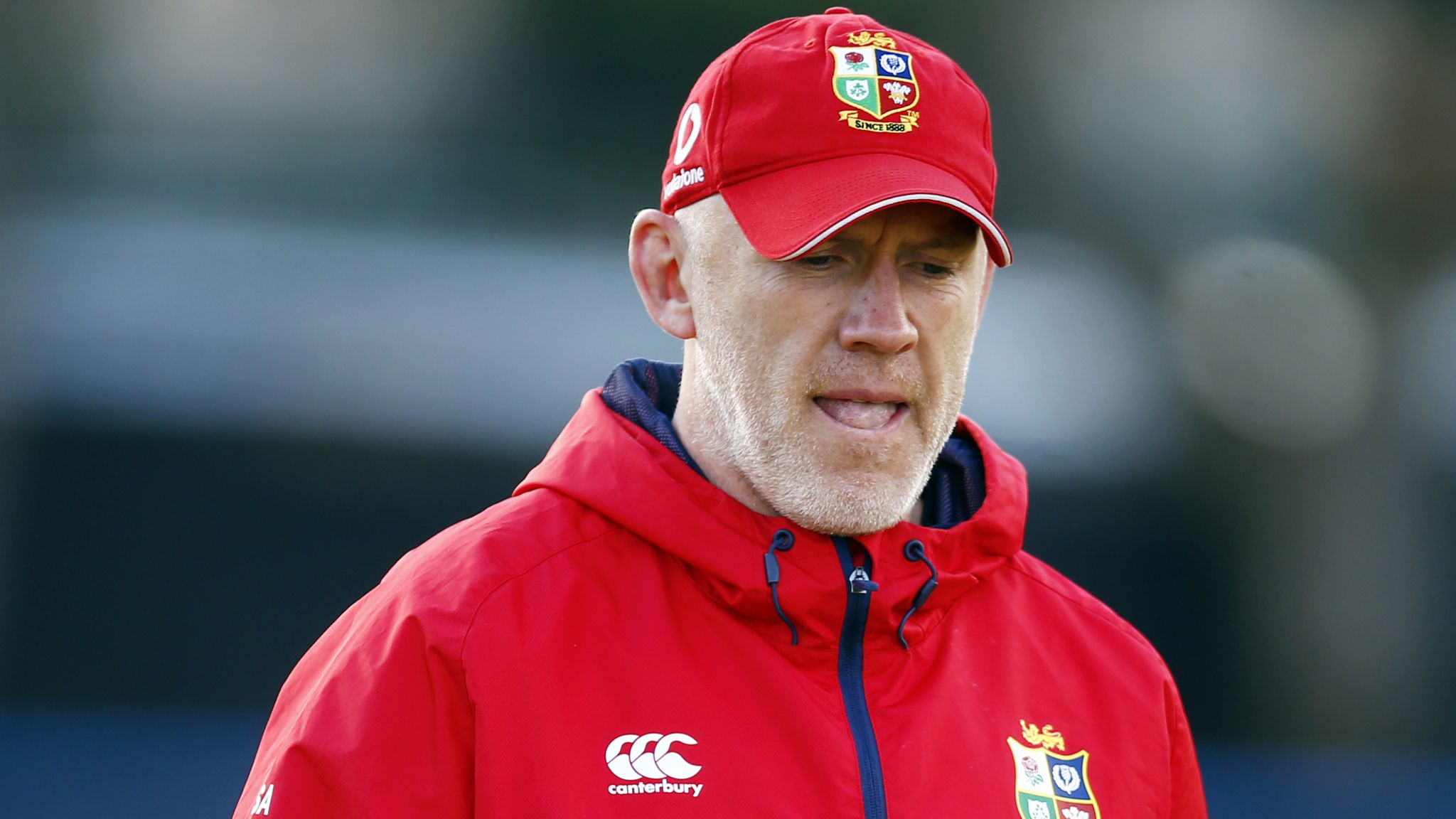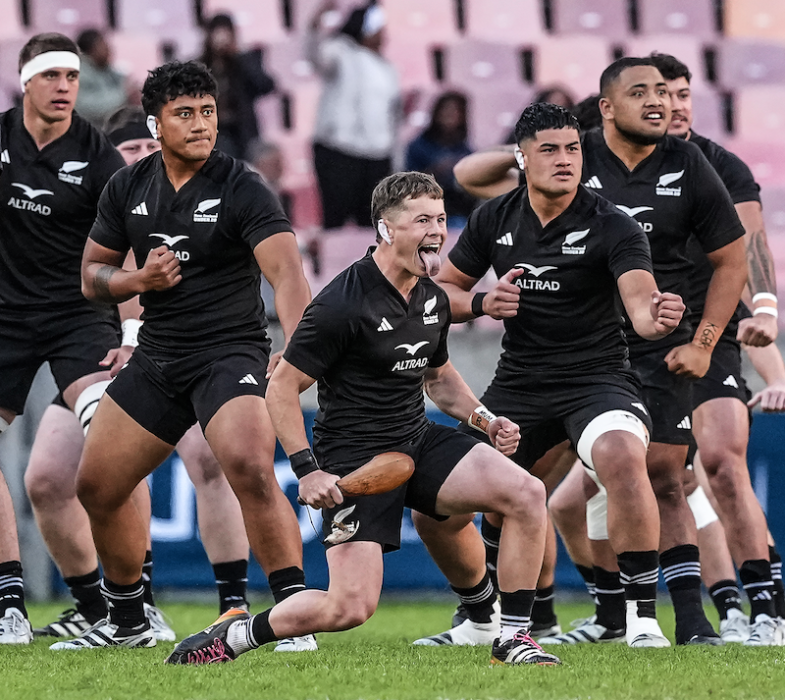
When Kane Jury and the Junior All Blacks landed in Port Elizabeth, they hadn't even been able to play a warm-up game against the Hurricanes Hunters because of the weather. By the time the U20 Rugby Championship rolls around, Jury says, the squad will have been ready for a fortnight, mostly because of what they've built off the field.
The New Zealand pathways head coach — an Aotearoa Rugby Pod first-time guest, currently doubling as Junior All Blacks head coach — used the long-form interview to walk through the full pipeline he sits on top of. From secondary schools, through national under-20s, into Super Rugby and ultimately into the All Blacks coaching room.
Jury opened with the cultural framework his squad uses. "What I recognise is we've got some great people in New Zealand rugby that we can always lean on," he said. "Dave Rennie speaks really highly of the importance of culture and connection and I think our Maori, Pasifika and our European cultures combined are really, really strong. They've got great stories and Kohanui guides us — talks about how the water, the Awa, connects us all. Our great-grandfathers and grandmothers, they've all somehow navigated the water to get to Aotearoa. When we have that type of understanding, connection, we start finding out more stories about who we are. Then I feel like we become a lot more connected to rugby."

The specific challenges of an overseas tour, Jury said, are mostly small. "Different food. Being in the same room as somebody else who maybe snores. I'm used to a queen-king-size bed, now I've got a single. Even just being together for this amount of time is challenging too. So it's understanding that — and we haven't even kicked a ball around yet."
What anchors that environment is, in Jury's framing, an old idea: ownership. He's got six or seven returning under-20s players from last year's championship-winning squad who've been deputised to onboard the new ones. "Our very first thing that we did when everybody came in is they actually led the rest of the group," Jury said. "They gave a bit of an understanding of what is coming and what to be ready for and what to prepare for. We put a challenge out to all those players around — we're going to need young, brave men to go overseas to represent our country and being self-led, self-driven is critical. Every night we've got a journal — we're journaling, we're reflecting, and now little groups are starting to form together and starting to do that together as well."
The interview's most repeatable line is delivered as an internal mantra. "The one thing I've been trying to tell the boys, they're probably sick of hearing it now, is there is no growth from comfort," Jury said. "We've got to have edge — and edge means not being perfect, but chasing it."
Jury's bigger argument sits inside that line. New Zealand's pathway, he said, is not built around X-and-O fluency. It's built around feel.
"What makes New Zealand rugby really special is our ability to play with feel," he said. "We can know all the X's and O's and ABCs and all the steps which are important, but ultimately what we're trying to do within our game is get away from all of that. So we've got unstructured so we can go and chase the game. The more we can get into that space, I feel we're going to get really good players moving forward."
He holds the All Blacks' breakthrough roster of recent years up as evidence. "If you look at the breakthrough players over the last five years, four of them have been All Blacks and one Italian, which was Capuozzo," Jury said. "And you've got Holland, you've got Sotutu, you've got Will Jordan and Mark Tele'a. Our pathways are in pretty good way in terms of leading them up to have that ability to step into Super Rugby. But then Super Rugby preparing them for that international stage."
The Rugby Championship campaign itself, he said, doubles as a World Cup audition. "How much of it is finding a squad and giving them a crack for three games? Because a question mark for us right at the moment is we actually don't know where our game is at, if I'm being completely honest, because we haven't been able to have a good hit out against somebody who doesn't know what we're doing."
The ambition runs further. Jury used the interview to flag the next category of player his pathway is hunting for. "Moving forward in the game, hybrid player could potentially be really important, particularly when you want him to go for a 6-2 split on the bench," he said. "Our national talent development ID manager, PJ Williams, he's always talking about who's our hybrid player. Within our group, who could be our hybrid player — I think there's a Mike Farley build."
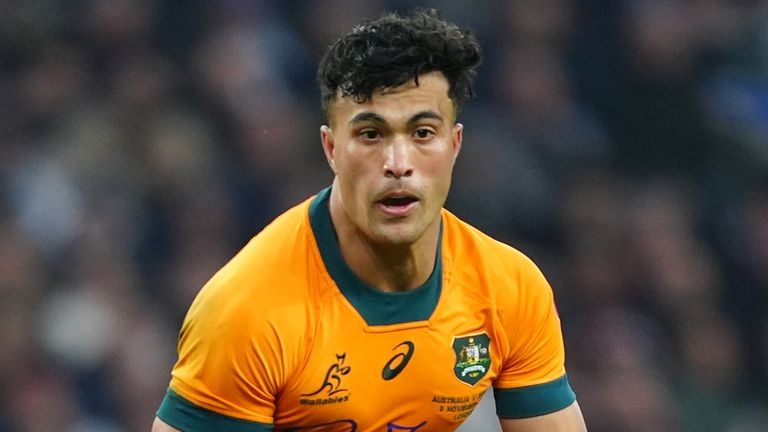
Farley, he explained, is the Hamilton-born loose forward in his second under-20s campaign and a candidate to be developed across positions. "Mike Farley plays six, seven and eight, so can cover all three. Power athlete. Also played New Zealand under-18s sevens. A player that has the ability to break the line, be a game-breaker. He's a guy you could put on the wing, put on the midfield. Similar — I'm being biased — but a little bit like Akira Ioane. He is an out-and-out loosie, but he has that explosive pace that he would not look out of place on the wing."
Jury's case for hybrids isn't just selection romance. It's that a young player asked to learn three positions before professionalism shapes their habits will be more useful at international level than one who never tried. "If we're genuine about a hybrid player, the time to actually try it is probably at school or at the younger grades, before — under the ruthless eye of professional sport — and everyone critiquing Lester Fainga'anuku as a genuine seven, versus doing it not in that spotlight."
The whole interview reads as an answer to one of the central questions in the modern game. New Zealand keeps producing players that arrive Test-ready. Jury's pitch is that it's because the system is built for ownership, feel and discomfort — not for trophies.
"We've got to keep looking after and we keep caring for our youth coaches," he said. "We keep providing them support, then they're going to come through. We're always going to have the talent here, I have no doubt about that. We're going to continue having World Breakthrough Players of the Year too."