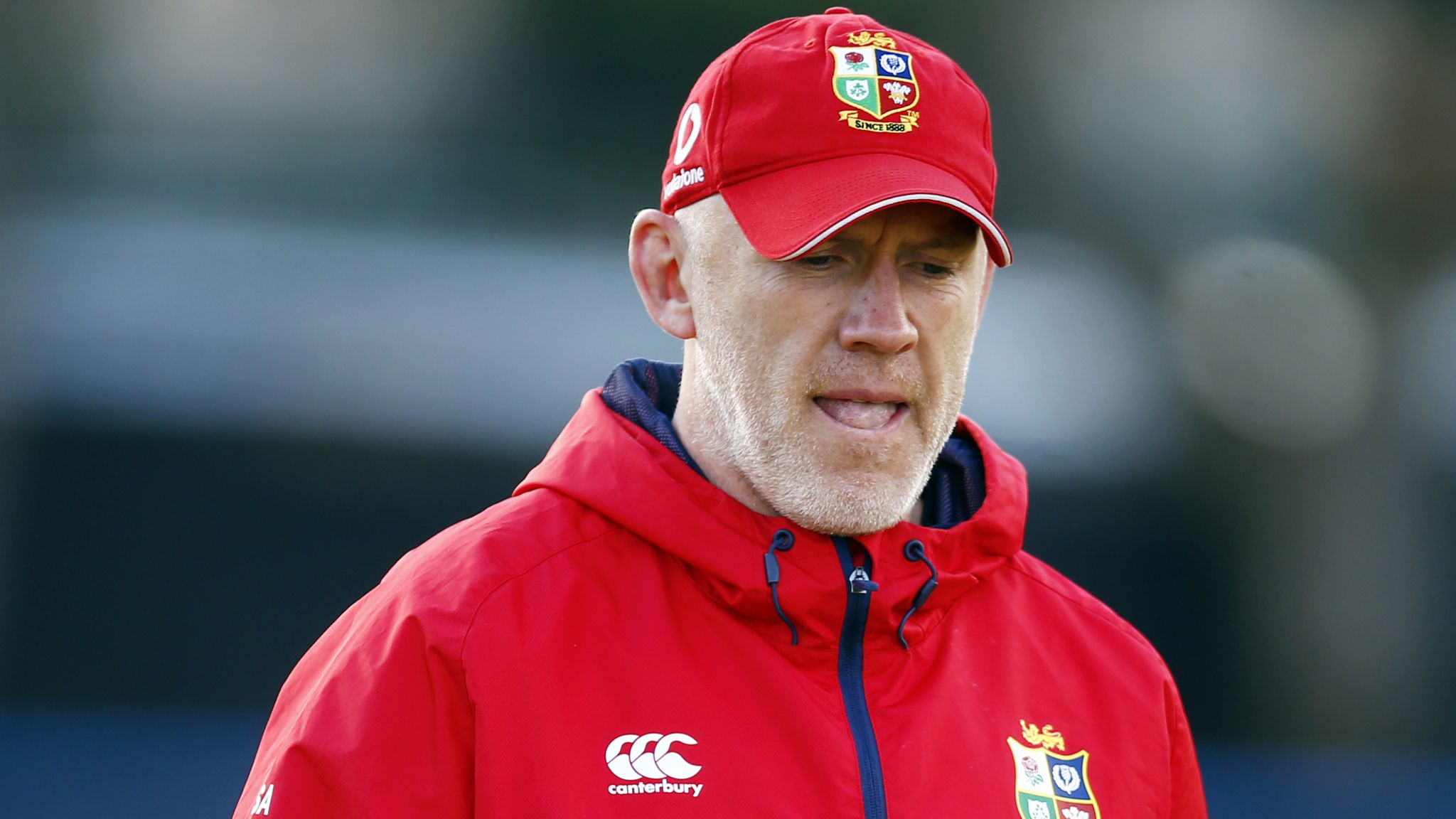
Western Force have ended one of the quieter contract questions of the 2026 Super Rugby Pacific season, confirming on 14 May that head coach Simon Cron will remain in Perth through the 2027 campaign. The extension keeps Cron in place across the next Rugby World Cup cycle and ties him to the club for almost six years in total.
Cron arrived at the Force in late 2022 and has been the central voice in rebuilding a programme that, prior to his arrival, had cycled through coaches and structural reviews. The club's announcement framed the decision around the same two words it has used to defend continuity throughout the season: stability, and culture.
Cron used the same language. 'There's been a huge amount of work done over the past three-and-a-half years to build the environment, standards and culture,' he said in the club's statement. 'There's definitely a sense of unfinished business. We've worked hard to put strong foundations in place.'

That last phrase is the one Force supporters will hold on to. The 'unfinished business' framing acknowledges what the on-field results acknowledge: this Western Force side has not yet finished a Super Rugby Pacific season in a competitive playoff position, but the underlying numbers have moved. The club pointed to a points difference of minus-40 in 2026 as evidence that the gap between the Force and the competition's leaders has narrowed considerably. Ten of the club's contracted players were named in capped Wallabies squads in 2025 — a measurable contribution to the national programme that did not exist under previous coaching regimes in Perth.
CEO Niamh O'Connor explained the front-office logic. 'This decision is grounded in stability and continuity, which we see as incredibly important for our Club,' she said. 'High performance growth is rarely linear, but we are seeing real progress in the competitiveness and cohesion.'
O'Connor's 'rarely linear' caveat is the operative one. The Force have lost games this season they were leading deep into the second half, and have struggled to translate competitive performances into competition points consistently enough to push for a finals berth. The board's view, evidently, is that the build is real and that resetting it now would cost the club a year of progress.
Club captain Jeremy Williams threw his support behind the call without qualification. 'He creates stability for the club and he's the man for the job,' Williams said.

The practical effect of the extension is that the Force can now plan their 2027 roster, retention and recruitment strategy with the coaching question resolved. That matters in a market in which Australian rugby is under sustained pressure from PNG Chiefs' planned 2028 NRL entry, French Top 14 academies and European clubs targeting Wallaby-eligible talent. A clear coaching signal helps the Force compete with that backdrop.
It also positions Cron as a long-term operator in Australian rugby at a moment when the national programme has a new succession plan in motion. Joe Schmidt's handover to Les Kiss as Wallabies head coach unfolds across the next 18 months, and Australia's regional Super Rugby coaches will increasingly become the principal succession pool for assistant and specialist roles in the national setup. Cron's extension to 2027 means he is locked into the regional side of that calculation rather than recruited away from it.
For Perth, the practical question now is whether the foundations Cron talks about can convert into a top-eight finish. The extension does not change the answer to that. It simply ensures the coach who started the rebuild will be the coach who finishes it.