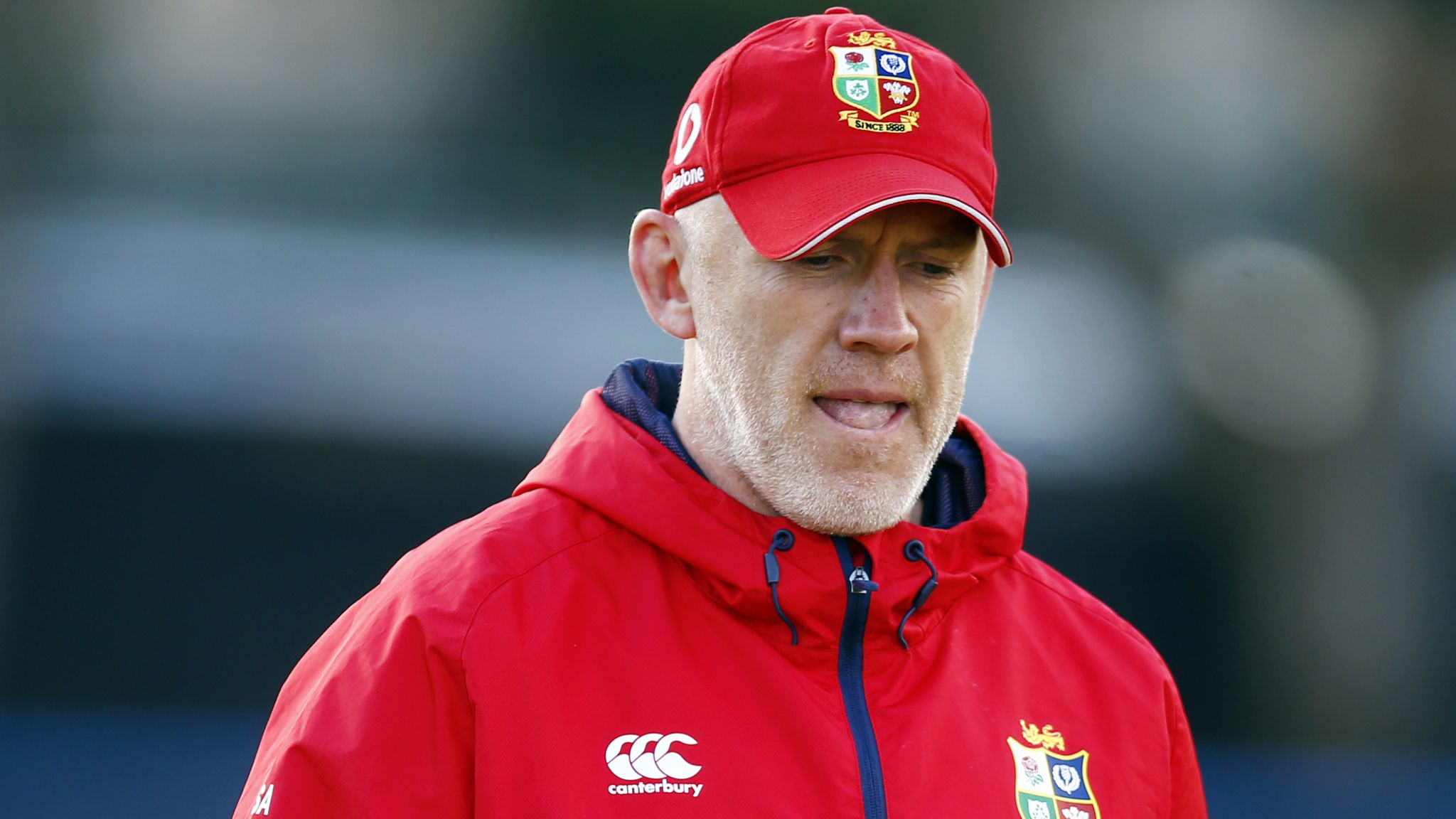
The Springboks are turning depth into a weapon — and the rest of the rugby world has been put on notice.
Rassie Erasmus has named 76 players across his alignment camps this year, a staggering pool that has now been narrowed to a 40-man squad ordered to Cape Town this week to begin live work ahead of the 2026 Nations Championship. Kiwi pundit Mark, of the Inside Rugby with Mark YouTube channel, has called the model a master stroke that no other Tier 1 nation is matching.
His central argument: South Africa is using sheer scale to do what every other federation talks about and few actually deliver. By cycling 76 players through controlled environments, Erasmus is forcing every fringe Bok hopeful to chase inclusion as a tangible career goal, while embedding tactical patterns, expectations and culture early enough for any late call-up to slot in seamlessly.
Mark suggested the depth strategy creates four compounding advantages.
First, an unrivalled internal contest. Players outside the 76 are not just chasing a Test cap — they are chasing entry to the alignment camp itself, which has effectively become a new selection tier. That, Mark argued, kills the dressing-room politics that can hollow out a national team. He went so far as to declare that 'no player, no matter how long they've been in the team or how big their ego is, is going to be above the team and its presence', contrasting it with what he characterised as a New Zealand culture that has allowed senior players too much sway in recent seasons.
Second, cultural alignment. With so many bodies passing through, every emergency call-up arrives already fluent in the Springbok game model, standards and macro plan. The traditional bedding-in week is collapsed.
Third, generational pipelines. Erasmus has been folding younger players — Mark singled out tighthead Hashim Behr among the newer arrivals — into senior environments well before they would normally feature, building exposure that will pay off through the Nations Championship and the 2027 Rugby World Cup in Australia.
Fourth, differentiation. Other Tier 1 nations run camps, Mark noted, but typically for only 10 days and with smaller groups. 'If you look at the All Blacks, if you look at England, if you look at France, if you look at Ireland — yeah, they have alignment camps, but they might last for 10 days,' he said. He went so far as to question whether New Zealand could even assemble 76 players of acceptable Test standard from their domestic pool — an awkward question heading into a Dave Rennie tenure that has, by Mark's own assessment, only 10 days for the All Blacks to gather before opening their international season against France.
The narrowing of the 76 to the Cape Town 40 is the next signal. With the Nations Championship opening on July 4 with six simultaneous Test matches across the globe — part of World Rugby's confirmed 'Super Saturday' launch — Erasmus's preferred core is now visible.
The broader implication, in Mark's view, is that South Africa is now operating on a timescale the rest of the world is not. While other federations chase tactical innovation in 10-day blocks, Erasmus has the runway to lock in a Springbok identity well in advance of the 2027 World Cup. 'This type of process will nullify all of that,' he argued, referring to the influence individual senior players can exert on coaching staff in less structured environments.
The All Blacks, who reconvene for those 10 days under Rennie before kicking off their season, will face that Springbok depth from a standing start.