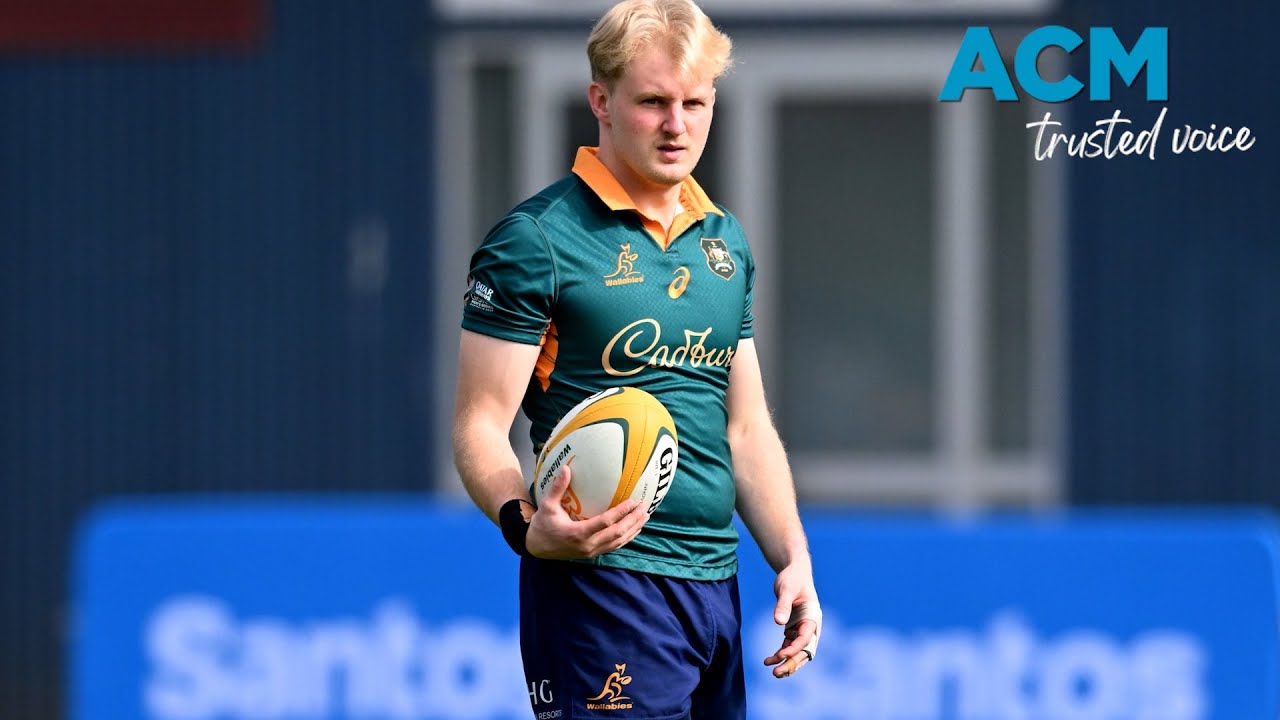
Tom Lynagh is closing in on a contract extension that will keep the 23-year-old Wallabies playmaker at the Queensland Reds and inside Australian rugby through the 2027 home World Cup, despite a calf injury that has restricted him to just 18 minutes of action this season. The fly-half confirmed the imminent agreement in remarks to ESPN published on 19 May 2026.
"We're close to working something out and there will be an update very soon," Lynagh said.
For Rugby Australia, the development is one of the few unambiguously good pieces of news the governing body has banked in a difficult month. Lynagh, the Sydney-born son of Wallabies great Michael Lynagh, has been Australia's most promising emerging No. 10 since his Test debut in 2024. Holding him in the Australian system through the 2027 tournament, despite Top 14 and Premiership interest, removes one of the largest succession-planning anxieties the Wallabies coaching staff has carried.
The contract conversation is taking place against a frustrating backdrop. Lynagh has torn the soleus muscle in his lower leg twice in 2026, the second tear extending an absence that had already wiped out the bulk of his Super Rugby Pacific season. The 18 minutes of game time he has managed this year is, for a player of his profile, brutal reading. He spoke openly about the toll.
"Your job as a rugby player is to be out on the field doing what you can to help your team," Lynagh said. "I'm starving to get out there."
The injury cycle has not blunted the fly-half's sense of where the next 18 months are headed. The 2027 Rugby World Cup is being staged in Australia, with pool matches across Sydney, Brisbane, Melbourne and Perth, and a Wallabies fly-half jersey at a home tournament is the kind of opportunity Lynagh has spoken about as a child watching his father.
"I want to be part of the World Cup; that's a massive factor," he said.
Wallabies head coach Joe Schmidt has indicated through team channels that Lynagh will not need extensive Super Rugby minutes to earn a recall once he is fit. The fly-half himself acknowledges that the path back through the Wallabies squad runs through getting on the field at all, and seemed unsurprised at how the injury patterns have unfolded.
"I knew it was going to happen," Lynagh said.
The fifth quote of the ESPN appearance was the most personal. Asked about his father — Michael Lynagh, the World Cup-winning fly-half whose 1991 Wallabies side remains Australian rugby's high-water mark — the younger Lynagh did not soften.
"It would mean everything to me; he's my idol, I look up to him," he said.
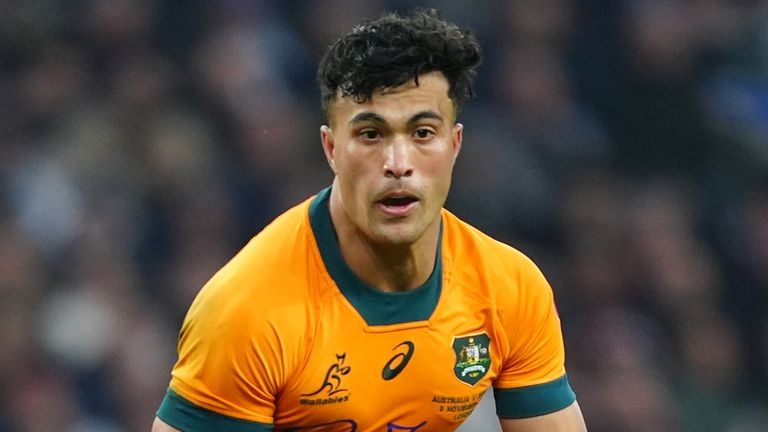
The contract negotiations are running through Rugby Australia's centralised contracting framework, which now sees national-team-tier players signed on combined Wallabies-and-Reds deals. The structure was designed precisely for situations like Lynagh's, where the player has overseas options and Australian rugby needs to hold the line on its best young talent without saddling the cash-strapped Reds with the full salary load.
The injury picture remains the variable that nobody inside the Reds or the Wallabies can fully control. Recurrence is the natural fear with consecutive soleus tears in the same calf, and Schmidt's Wallabies will need to plan for two scenarios — one in which Lynagh is fit and starting the 2027 tournament, and one in which the role goes to whichever of James O'Connor, Carter Gordon or Ben Donaldson is most demonstrably ready.
For now, the most important fact is that the path Lynagh has chosen leads through Brisbane rather than London or Toulouse. As the home World Cup edges into a 500-day countdown, that decision is the kind of small but symbolic win Rugby Australia, the Reds and Schmidt's coaching staff have all been quietly waiting for.