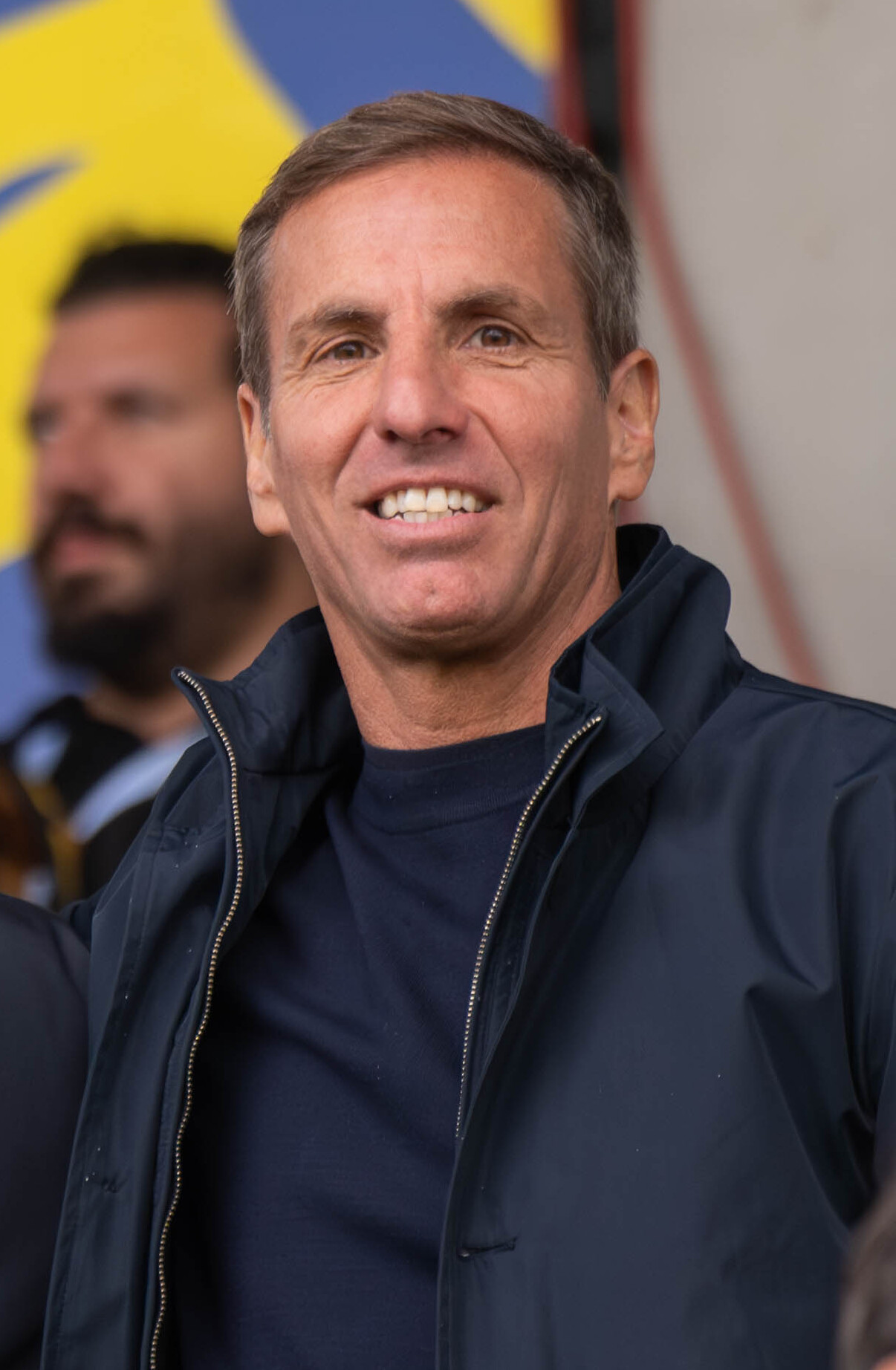
Italy head coach Gonzalo Quesada has become the first coach sanctioned under World Rugby's new match official abuse rules, handed a two-match ban that will keep him out of the stadium for his side's Nations Championship fixture against the Wallabies in Perth on Saturday.
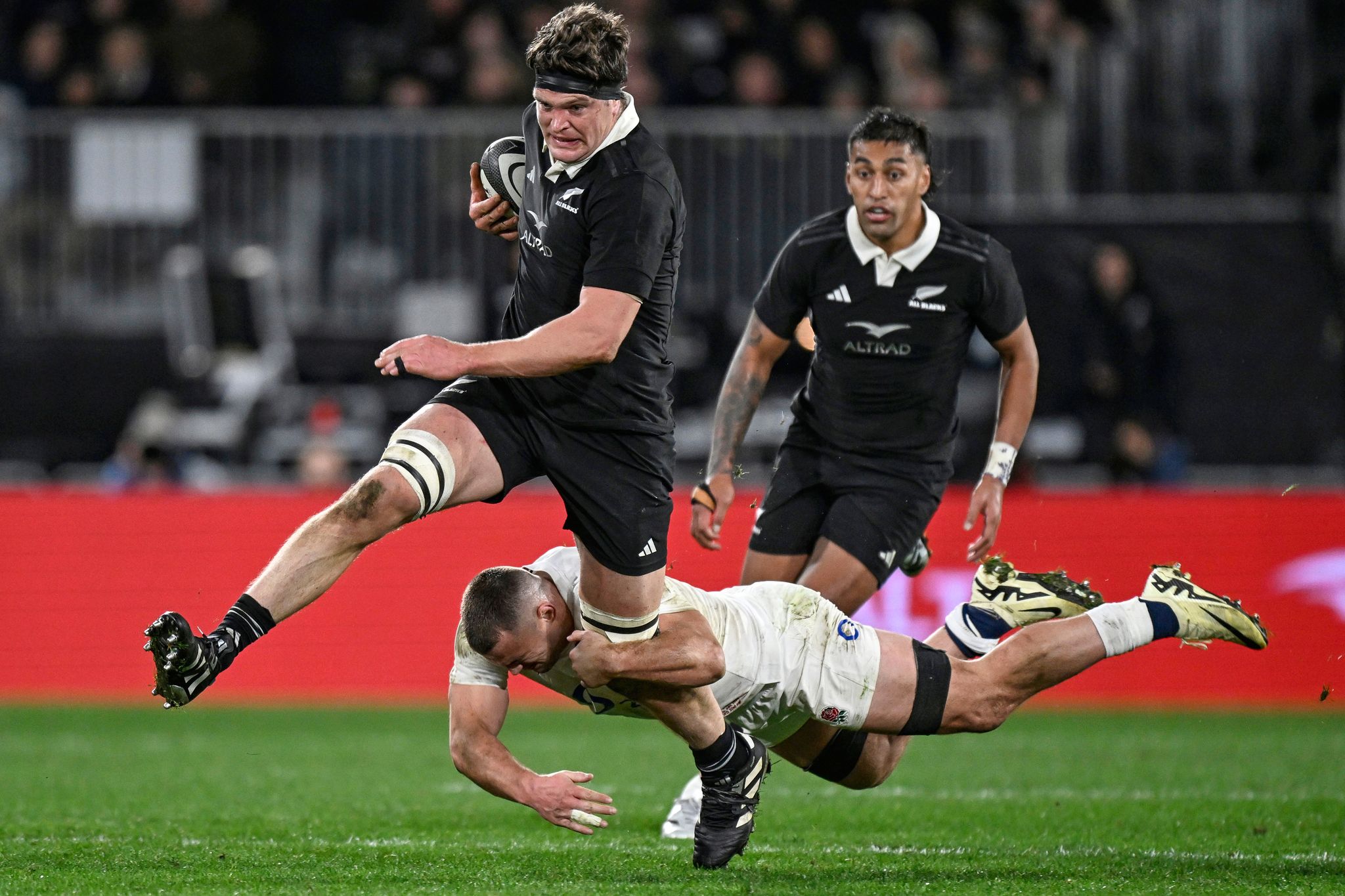
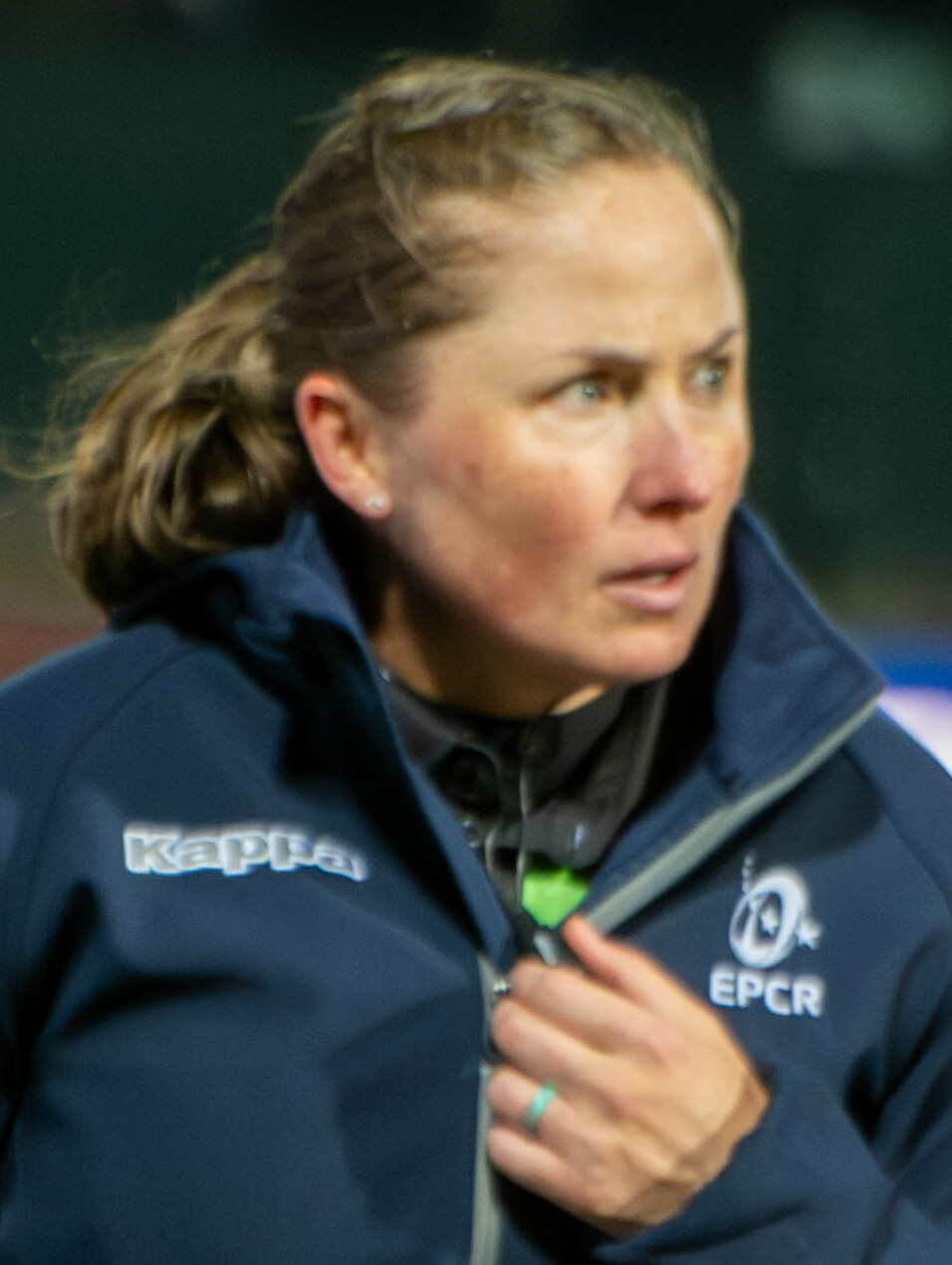
The suspension stems from comments Quesada made in a broadcast interview after Italy's 47-17 defeat to New Zealand, when he laid part of the blame for the scoreline on French referee Luc Ramos and his team. Quesada described the officiating as "super poor" and did not hold back on where he felt the game had turned.
"The score is a bit responsibility of the refereeing team," Quesada said. "They did a lot of mistakes today." He added that "the final score doesn't reflect completely the game."
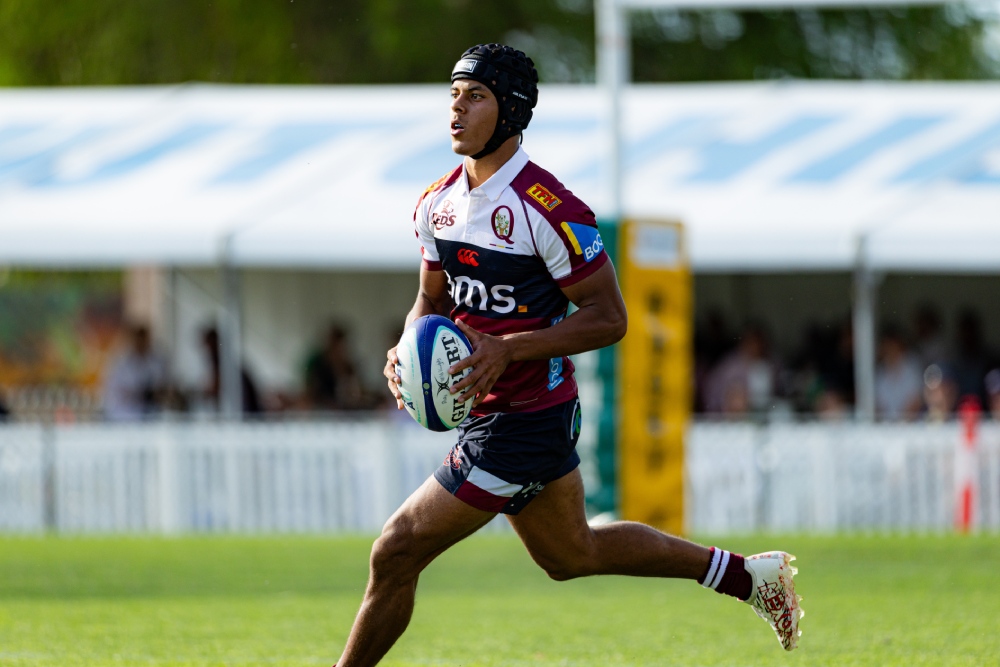
His sharpest complaint concerned a 20-minute red card shown to lock Niccolo Cannone. "I think the 20-minute red card on our number four, Niccolo Cannone, held up on the floor by [All Black] 17 and not even seeing it, is a bit harsh," he said.
World Rugby moved quickly. In a statement confirming the sanction, the governing body said: "In line with the provisions of the Match Official Abuse Sanction Process, World Rugby can confirm that an automatic two-match suspension has been issued to Gonzalo Quesada." The punishment includes a ban on all match-day activity, including being present in the stadium.
The Match Official Abuse Sanction Process was introduced only this month. It applies across the Nations Championship, the World Rugby Junior World Championship, WXV and the Nations Cup, and hands an independent panel the job of deciding whether comments from coaches or team staff "undermine public confidence in match officials" — with sanctions escalating from guidance letters and warnings up to automatic suspensions.
Quesada has the right to appeal the sanction to a full judicial committee hearing, and the Italian Rugby Federation has said it noted the ruling and will appeal.
The case has sharpened a debate that was already bubbling before Quesada's punishment landed. Springbok coach Rassie Erasmus — no stranger to referee controversies — spent part of this week trying to make sense of the same protocols. Erasmus said direct contact with officials had effectively been shut down: "You can't communicate with match officials directly anymore, and you can't have a meeting with match officials before the game."
Coaches are now limited to a formal, shared channel for raising concerns. "You can only put six comments in the system if you have any queries," Erasmus explained, and everything is visible to rivals and officials alike. "All the other coaches see it, all the referees see it, so it's almost now impossible to criticise the referee."
Erasmus stopped short of condemning the change but made clear he was still getting his head around it. "I don't 100% understand the logic behind it," he said. "Not criticising them, of course."
For Italy, the immediate cost is practical. Quesada will prepare his team from outside the stadium and hand the match-day reins to an assistant as the Azzurri, still searching for a win in the tournament, face an Australia side chasing a result of their own.