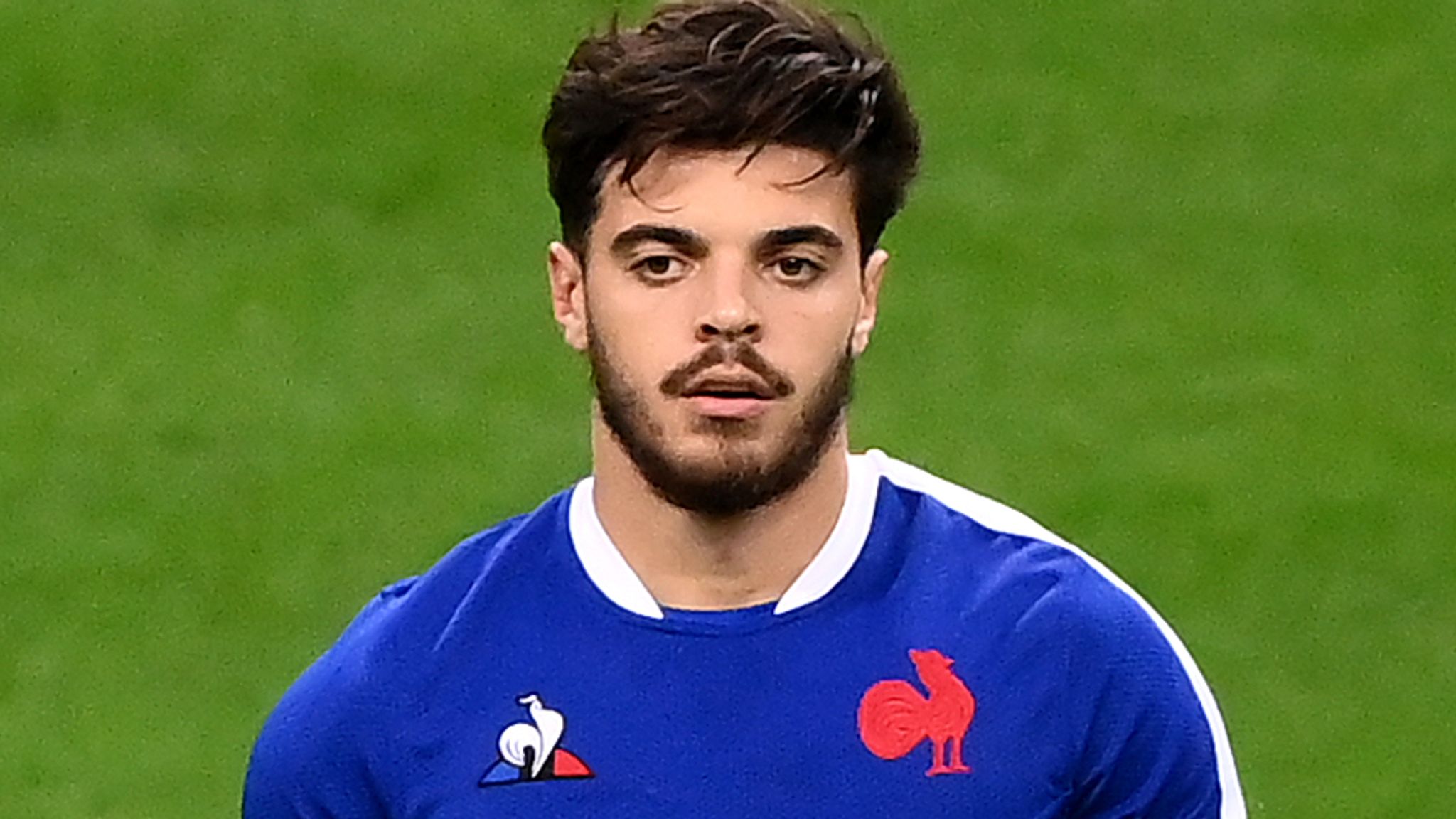
The fly-half debate is back, and on the latest episode of 'The Good, The Bad and The Rugby', it was reframed around a single player and a single idea. The player is Romain Ntamack. The idea is that the lightweight, distributing 10 is a position the modern game has effectively retired.
The case for Ntamack started where most discussions of him do - with a 2023 World Cup memory that has aged better than France's tournament did. One of the panellists recounted being at the All Blacks v France opener and being struck by the fly-half's touch on the ball.
"I was actually at that All Blacks France game, the first one of the World Cup in 2023, and just some of his touches on the ball were just so clean," they said. "Like he buys time, he's smooth, he can skip, he's actually like quite physical with the ball in hand."

That last line is where the debate widened. With Antoine Dupont at scrum-half setting the tempo, Ntamack does not have to be the sole organiser. He can become something closer to a third midfielder.
"Do you think now with the way the game is that, because obviously he's got Dupont at nine, he'll run, he'll dictate the pace of it - that he actually becomes more of a sort of 12 like ball carrier?" the host asked. "He carries the ball just as much as his centres will, but then distributes as and when he needs. Do you think that's the modern-day 10 in some way?"
The reply turned the analysis from one player into a position-wide claim. The argument: defences have evolved to the point where a fly-half who only passes is a luxury teams can no longer afford.
"I think the game's moving back to that as well. You can't just be a delivering 10," one of the analysts argued. "Like you have to be able to carry the ball. Especially when you're going like moving up the field. Teams are going to that like 14 and one, you know, 14 front line, one in the back field."
The reference is to the dominant defensive shape of the current era - 14 defenders pushed up into the line, one sweeper sitting back. Against that wall, a 10 who only floats passes is target practice. The fly-half has to carry, has to commit defenders, has to be a problem in his own right before the wider channels open.
The dismissal of the alternative was, by panel-show standards, unusually blunt. Asked about the lightweight distributing 10, the answer was four words.
"Lightweight 10's just a little distributor. Get her."
The implications stretch well beyond Ntamack. England's Marcus Smith, Ireland's Sam Prendergast, the Wallabies' Tane Edmed - the tier of fly-halves whose first identity is creator rather than carrier - all sit in the crosshairs of the panel's argument. South Africa's Manie Libbok and New Zealand's Damian McKenzie have been moved up and down the depth chart partly for the same reason: in tight, can they hold contact with the ball? England under Steve Borthwick effectively answered the question with Fin Smith - a 10 picked partly because he runs as readily as he passes.

For France, the broader theory fits the player. Ntamack has missed chunks of recent seasons through injury, but when he is on the field, he gives Fabien Galthié something close to a second 12. With Dupont controlling tempo, the fly-half can be the runner. With a runner at 10, the centres can be the runners too. The wider attack has more options.
If the panel are right, the next 10 to break through at international level will not be the next clever distributor. He will be the next ball carrier. And the lightweight artist - the figure rugby has built so much of its romance around - will, at the elite level, find himself looking for a different number on his back.