The Springbok casualty list continues to lengthen ahead of a defining season, with confirmation that Kwagga Smith faces around six months on the sidelines after a knee injury picked up in the South African training camp. It is a significant blow. Smith is regarded as one of the most effective bench forwards in world rugby, and alongside the equally influential RG Snyman, his absence removes a chunk of finishing experience from Erasmus's matchday plans.
Smith is not the only concern. The names of Bongi Mbonambi and Makazole Mapimpi have also been mentioned among the wounded, and there were anxious moments over the weekend when Sacha Feinberg-Mngomezulu limped off on crutches during the Stormers' quarter-final and Damian Willemse also picked up a knock, both awaiting the results of scans.
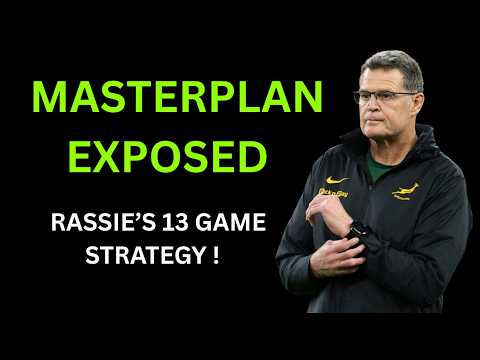
Yet the analysis from the Inside Rugby with Mark channel argued that the injuries, while unwelcome, hand Erasmus exactly the kind of season he thrives on. The Springboks have 13 tests scheduled before the end of 2026, beginning with a Barbarians fixture before a hyped clash with England on home soil and matches against Wales and Scotland, then the Nations Championship games against France, Italy and Ireland and a four-test series against New Zealand.

The view put forward was that, rather than ranking the New Zealand series as the single priority, Erasmus will treat every one of those 13 games as vitally important intelligence-gathering. Each fixture, the argument went, is a chance to assess the strengths and weaknesses of his squad, to test combinations against specific opposition, and to decide whether the line-out, the gainline battle or the wider attacking shape needs adjusting. The injuries simply accelerate that process by forcing peripheral and younger players into the starting fifteen.
That willingness to experiment is held up as one of Erasmus's defining traits. The example cited was the decision to hand Feinberg-Mngomezulu the number 10 jersey in Wellington following a defeat at Eden Park, a bold call that paid off and underlined that the head coach is not afraid to throw inexperienced players into the heat of battle. The likes of Herschel Jantjies were flagged as players who could be given a run in the months ahead as Erasmus builds a shadow squad and protects key men from burnout.
The broader point is that the year before a Rugby World Cup is always pivotal, and 2026 is shaping up to follow the pattern. Key players are being lost to injury across every major nation, and the coaches who emerge best placed will be those who use the coming tests to blood and harden their next tier of talent. On that measure, the assessment was that there is no better operator in the world game than Erasmus at giving young players their opportunity and extracting answers from them.
The selection questions are stacking up, from the back row reshuffle forced by Smith's absence to the goal-kicking and playmaking options should the Stormers pair be ruled out. How Erasmus answers them across these 13 games will tell South Africa a great deal about the squad that travels to Australia in 2027 chasing yet another world title.